How Young Athletes Can Maintain Skills Between Seasons
The end of a sports season gives young athletes a break from scheduled practices and weekend competitions. However, several months away from regular training can make familiar techniques feel less natural when the next season begins. Maintaining those abilities doesn’t require constant competition or demanding workouts.
Simple exercises and recreational activities can help children stay connected to their favorite sports during the break. A thoughtful approach allows them to practice essential techniques without sacrificing free time or enjoyment.
Focus on Fundamental Sports Skills
Every sport relies on basic movements that athletes develop through repetition. Basketball players practice dribbling and shooting, whereas soccer players improve their passing accuracy and ball control. These fundamental abilities provide a strong foundation for more advanced techniques.
The off-season gives young athletes opportunities to revisit these skills without the pressure of upcoming games. Instead of attempting complicated drills, they can concentrate on movements they already understand. Young athletes can maintain their abilities through activities such as:
- Basketball: Practice stationary dribbling and shooting from familiar positions.
- Soccer: Improve passing accuracy and maintain close control of the ball.
- Baseball: Work on throwing accuracy and basic fielding techniques.
- Tennis: Practice racket control and simple footwork patterns.
- Volleyball: Develop consistent passing and setting techniques.
These exercises require relatively little equipment. A backyard or nearby park can provide enough space for many basic activities. The goal is to maintain familiarity with important movements rather than achieve major performance improvements.
Create a Flexible Practice Routine
Consistency supports skill development, but young athletes don’t need to recreate their competitive schedules during the off-season. Short practice sessions can help them maintain techniques without making sports feel like another obligation. Parents and coaches can introduce off-season training to young athletes through flexible routines that accommodate schoolwork and personal interests. For example, a basketball player might dedicate one session to ball control and another to shooting technique.
Athletes can also choose specific activities based on the skills they want to maintain. This approach gives each session a clear purpose without requiring lengthy workouts. Families should leave room for vacations and spontaneous activities. A flexible schedule makes it easier for children to enjoy sports without feeling pressured to practice every day.
Explore Different Sports and Recreational Activities
Playing different sports can help young athletes develop abilities that complement their primary sport. Many activities involve similar movement patterns, even when their rules and equipment differ.
For instance, basketball and soccer both require athletes to recognize open spaces and respond to changing situations. Tennis can introduce baseball players to different timing challenges. These experiences encourage children to explore new movements instead of repeating familiar drills.
Recreational activities also offer opportunities to remain active outside organized sports. Young athletes might enjoy activities such as swimming, cycling, or neighborhood games. Trying something different can renew their interest in physical activity. It also encourages athletes to discover hobbies they might otherwise overlook during a busy competitive season.
Turn Skill Practice Into Games
Traditional drills can become repetitive after months of structured training. Turning familiar exercises into games gives young athletes a more entertaining way to maintain their skills. A basketball player could create a shooting challenge using different positions on the court. Soccer players might arrange cones and compete to complete a dribbling course with accuracy.
Families can develop simple challenges around familiar movements. They could create passing contests, throwing targets, or obstacle courses that encourage coordination. These activities make practice feel less formal. Instead of concentrating entirely on performance, children can focus on solving challenges and enjoying friendly competition.
Parents should keep these games lighthearted and avoid placing excessive importance on scores. The purpose is to encourage participation and help young athletes maintain a positive relationship with their sports.
Take Advantage of Indoor Practice Opportunities
Weather conditions can interrupt outdoor practice during certain times of the year. Heavy rain and extreme temperatures may limit opportunities for recreational sports, particularly when families lack access to suitable outdoor facilities. Indoor spaces provide alternatives when outdoor activities become impractical.
Community recreation centers and school gymnasiums may offer opportunities to practice familiar techniques. Youth sports organizations can also explore ways to maintain skill-development opportunities beyond their regular competitive schedules.
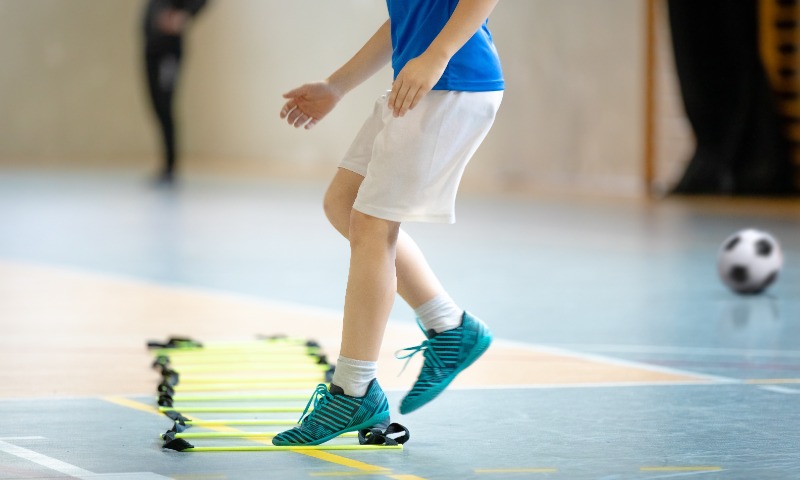
However, effective indoor activities don’t always require specialized facilities. Athletes can practice controlled movements and basic footwork in spaces that accommodate those exercises safely. Families should choose activities that suit their available space. Simple exercises can help children maintain familiar techniques when outdoor practice isn’t possible.
Develop Better Game Awareness
Sports performance involves more than physical abilities. Athletes also need to understand positioning and recognize opportunities during competition. The off-season provides time to explore these concepts without the immediate pressure of winning games.
Watching sporting events can encourage young athletes to observe how experienced players make decisions. For example, a soccer player might study how teammates create passing opportunities. A basketball player could observe defensive positioning and consider why certain movements create open shooting opportunities.
Parents can encourage these observations through casual conversations about games. Asking children what they notice helps them think about situations from different perspectives. This approach supports decision-making without demanding additional physical practice. It also gives young athletes another way to stay interested in their favorite sports.
Set Small and Achievable Goals
Setting realistic goals can give practice sessions a sense of direction. However, young athletes don’t need ambitious performance targets during their time away from competition. A baseball player might concentrate on improving throwing accuracy. A volleyball player could focus on making consistent passes during simple exercises.
These manageable objectives allow athletes to recognize progress without becoming overwhelmed. They can also adjust their goals as their interests change. Parents and coaches should emphasize effort and improvement rather than comparing children with their teammates. Recognizing small achievements can encourage young athletes to continue practicing because they enjoy the process.
Balance Skill Development With Rest
Maintaining athletic abilities shouldn’t eliminate the opportunity to enjoy time away from organized sports. Rest gives young athletes a break from demanding schedules and allows them to pursue other interests. The American Academy of Pediatrics encourages breaks from sport-specific training and participation in varied physical activities. This perspective highlights the importance of balancing structured sports participation with other experiences.
Families can support that balance by keeping calendars manageable and allowing children to influence their off-season activities. Unstructured play also gives them opportunities to enjoy movement without following detailed instructions. Neighborhood games and recreational outings can maintain enthusiasm for physical activity. These experiences remind young athletes that sports can be enjoyable without constant evaluation.
Effective off-season training for young athletes should complement this downtime rather than replace it. Children need opportunities to step away from competitive expectations and return when they feel enthusiastic about participating again.
Make the Most of the Time Between Seasons
Young athletes can maintain important sports skills without following demanding year-round schedules. Basic drills and recreational activities provide opportunities to remain familiar with techniques between competitive seasons. A balanced approach also encourages children to explore different interests and develop greater independence in their activities.
Parents and coaches can support this process by offering encouragement without making every practice session a requirement. The best off-season experiences preserve enjoyment and help young athletes return to their sports with confidence. Maintaining skills matters, but developing a lasting enthusiasm for physical activity matters just as much.
Would you like to receive similar articles by email?

Danuta Smoluk
Danuta Smoluk is a teacher with over three decades of experience teaching both children and adults. She specializes in teaching the Polish language to English-speakers. She has a master's degree in primary and early childhood education from WSP Słupsk (currently Pomeranian University in Słupsk) and had her degree validated by University of Toronto. Aside from education, she also has an interest in real estate and home improvement. She has planned and supervised many house renovations. She loves interior design, cooking, and gardening.

You May Also Like

List of Tropical Fruits You’ve Never Heard Of But Will Love

7 Tips to Make a Multi-Generational Home Run Smoothly