Everything About Wireline Engineering
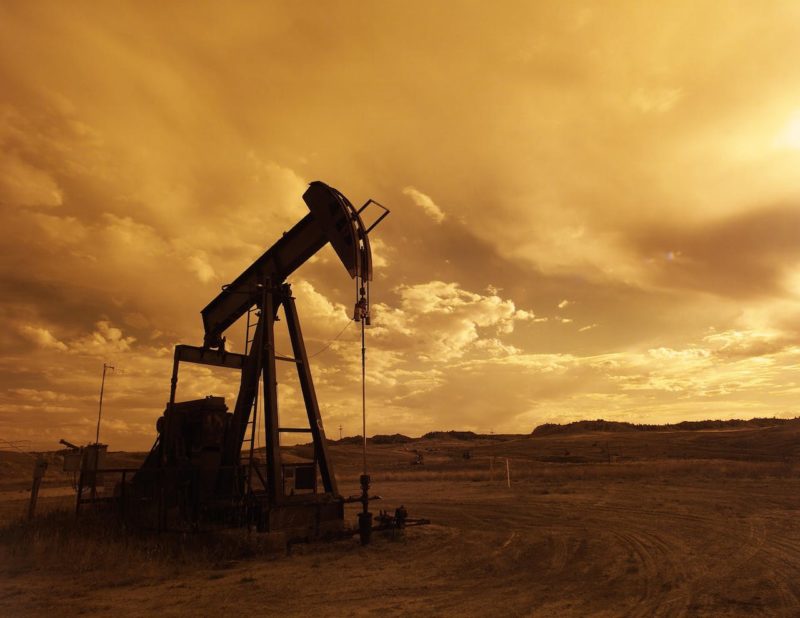
Moving tools and equipment up and down a well is an important and necessary task for completing, maintaining, and servicing wellbores. To move tools safely and effectively in an oil or gas well operators use wireline. It is a cabling system used to deploy and retrieve tools inside the wellbore. It is used for both well logging as well as for workover operations, and is a core component of wireline engineering in oil and gas wells.
The wireline system can be a single cable wireline or it can be multi-strand wireline. Also it is of two types which are electric line (e-line) and slickline (non-electric).
A wireline with a braided metal outer layer is known as a braided wireline. It is made up of an insulated conductor core surrounded by armored strands. Electric wireline (e-line) provides a transmission path for power and real-time data between downhole tools and the surface, serving as a vital link in wireline engineering tasks like logging and intervention. Modern wireline cables may also include mono-conductor and multi-conductor configurations depending on operational requirements.
On the other hand, slickline is a non-electric single strand wireline. It is used to lower tools such as valves, gauges and plugs into the wellbore. Lowering and retrieving operations can be performed by reeling in and out the single cable using a hydraulic system. Slickline is commonly used for mechanical operations such as setting or retrieving downhole equipment.
Below are some wireline tools which provide various mechanical services:
Gauge Rings
These are open mouthed tools which are attached at the end of the slickline string. A gauge ring is made up of steel or any other metal and has proper inner and outer diameter. It is used to check the internal diameter (drift) of tubing or casing to ensure tools can pass through without obstruction. Digital drift or caliper tools are also used in advanced operations.
Bridge Plugs
These are drillable plugs which are placed down the well bore with the help of wireline. They are used for pumping pressure operations, multi zone isolation of a well, and multi zone stimulation of a wellbore. When properly set, they are designed to avoid damaging the casing and are easy to use.
Dump Bailer
This is a wireline tool used to apply or place cement slurry or other similar material inside the wellbore. It is commonly used for placing cement, chemicals, or sand in targeted zones of the well. It is available in many sizes; select the one according to the shape and dimension of the wellbore. When you attach a dump bailer with wireline ensure all its connections are tight to prevent leakage. Chemical or resin-based bailers are also commonly used for similar purposes.
Sand Line Cutter
If the tool gets stuck inside the wellbore then with the help of the cutter tool it can be released by cutting the length of wireline. Attach the cutter to the end of wireline and then drop it down on the top of the cable with the stuck tool. Different types of cutters are used, including mechanical cutters and chemical cutters, depending on the situation. This tool only cuts the cable without causing any damage to casing or any other equipment in the well. It is typically used with slickline and may require fishing equipment for retrieval, rather than being automatically retrievable, as not all versions retrieve themselves.
Blanking Plugs
This tool is used to block or isolate sections of the wellbore. It is designed to prevent fluid flow once set in place. The plug cannot be pulled up as long as the pressures above and below it are different. Pressure equalization is typically achieved using an equalizing prong or valve before retrieval. Use the correct equalizing prong when removing wireline mechanical plugs and wait until the plug is completely equalized before you start to retrieve it. These plugs are important for temporary isolation and require careful pressure control.
Additional Important Wireline Tools
In addition to the tools above, several other tools are essential in modern wireline operations:
- Perforating guns: used to create holes in the casing and formation to allow hydrocarbons to flow into the well.
- Logging tools: such as gamma ray, resistivity, and density tools, used to evaluate formation properties.
- Fishing tools: used to retrieve stuck or lost equipment from the wellbore.
- Setting tools: used to install packers, bridge plugs, and other downhole devices.
Things to Consider While Using Wireline Tools
- Check and maintain all the wireline tools regularly.
- Check the connections of the tool with the wireline before each operation.
- Select the appropriate size of tool to attach with wireline as needed.
- Consider well conditions such as pressure, temperature, and deviation (vertical or horizontal wells).
- Ensure compatibility between tools and the type of wireline being used (slickline or e-line).
Modern Advancements in Wireline Engineering
Wireline services and mechanical tools can be invaluable when drilling, evaluating, and maintaining wellbores, making wireline engineering essential for safe and effective operations.
Modern advancements include fiber optic wireline for distributed temperature and acoustic sensing (DTS/DAS), memory logging tools, and real-time telemetry systems. Tractor systems are also used to convey tools in highly deviated or horizontal wells where gravity alone is insufficient.
Safety Considerations in Wireline Operations
Safety is a critical aspect of wireline engineering. Operators must use pressure control equipment (PCE) to manage well pressure and prevent blowouts. Proper well control procedures, routine equipment inspections, and contingency planning for stuck tools are essential to minimize operational risks.
Conclusion
Wireline engineering plays a critical role in ensuring efficient, accurate, and safe wellbore operations. By using the right tools and techniques, operators can optimize performance and minimize risk throughout the lifecycle of a well. With ongoing advancements in real-time data acquisition and downhole technology, wireline continues to be a key driver of efficiency and precision in modern oil and gas operations.
Would you like to receive similar articles by email?

Matthew Lesniak
Matthew Lesniak is a Mechanical Engineering graduate working within the exciting field of remotely piloted aircraft systems (RPAS), better known as drones. His day-to-day work focuses on supporting drone manufacturers, facilitating certification processes, as well as advancing research and development projects. Matthew’s hobbies include travelling with his wife, playing board games, reading and staying active.


You May Also Like
What Makes a Metal Suitable for Marine Machinery?
5 Reliable Ways To Make a City More Inclusive