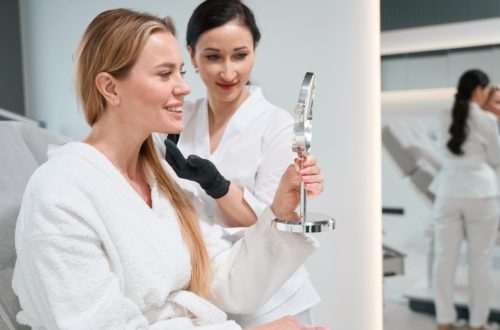
Calgary’s Dry Climate & Your Skin: A Winter Skincare Survival Guide

Quick Answer
Cold prairie air, low ambient moisture, and forced-air heating accelerate moisture loss from the complexion, leaving it tight, flaky, and irritated. Winter skincare is especially important when managing dry skin in Calgary, which means layering humectants under occlusives, lowering water temperature when washing, and supporting the protective lipid layer. A medical esthetician can assess your skin type and recommend products suited to the demands of the local climate.
Introduction
Anyone who works outdoors through an Alberta winter knows the feeling well. The complexion grows tight by mid-afternoon, fine flaking appears around the nose and cheeks, and ordinary lotions stop performing the way they did in milder months. This reflects a genuine shift in how the outermost layer loses water once temperatures drop and humidity falls below comfortable thresholds.
The professionals who treat these concerns daily understand that surface dryness usually signals a deeper functional problem. The team at Lavana Medi Spa, staffed by medical estheticians with decades of combined clinical experience, approaches seasonal dehydration through assessment rather than guesswork. Effective care depends on understanding your individual physiology, then matching habits and products to the conditions prairie residents face from late autumn onward.
What Cold Prairie Air Does to Your Complexion
The outer layer, known as the stratum corneum, retains water through a matrix of lipids and natural moisturizing factors. When outdoor air turns frigid, its capacity to carry water vapor collapses, creating a steep gradient that draws hydration outward.
The Science of Moisture Loss
Scientists call this transepidermal water loss, and it intensifies once relative humidity drops below roughly forty percent. The outcome is a complexion that feels tight within hours of cleansing, no matter how much you drink across the day.
Why Indoor Heating Compounds the Problem
Stepping inside offers little relief, because furnace systems warm the air without returning any moisture to it. Dry interior conditions keep pulling water from the surface while you sleep, which explains the morning tightness so many people report. The lesson here is straightforward, since the environment, rather than poor hygiene, drives most seasonal dehydration.
Several factors quietly intensify the strain on your protective layer:
- Frequent hot showers that dissolve surface lipids faster than they regenerate
- Wind exposure during commutes, which mechanically disrupts the surface
- Harsh foaming cleansers that strip the acid mantle and raise pH
- Wool and synthetic fabrics rubbing against already compromised areas
Pro Tip: Lower your shower temperature to lukewarm and keep washing for under ten minutes. Hot water feels soothing in the cold, yet it removes the very lipids needed to hold hydration, leaving the surface weaker against the harsh conditions outside.
A Seasonal Routine Built on Product Chemistry
Once you accept that the surrounding air is pulling water from your complexion, relief becomes a matter of sequence and chemistry rather than buying more jars. A deliberate method restores comfort faster than any single product promises to.
Layering in the Correct Order
An effective winter skincare routine follows one governing principle, which is applying products from thinnest to thickest so water-binding ingredients sit beneath a sealing layer. Humectants such as glycerin and hyaluronic acid pull moisture into the upper tissue, while occlusives like petrolatum or plant butters lock that hydration down.
Smoothing a humectant onto slightly damp skin, then trapping it under a richer cream, recreates the seal a healthy barrier would normally provide.
Choosing the Right Active Ingredients
Hydrators do not behave identically under demanding conditions, so the table below sorts common choices by role and ideal use.
Ingredient | Primary Function | Best For |
Glycerin | Attracts water to the surface | Daily base hydration |
Hyaluronic acid | Binds moisture in the upper layers | Plumping and surface comfort |
Ceramides | Replenish lost lipids | Reinforcing weakened defences |
Petrolatum | Seals the surface | Overnight occlusion |
A consistent theme runs through these actives, since humectants and occlusives consistently work better paired than alone. The well-documented hyaluronic acid serum benefits, particularly the molecule’s ability to hold many times its weight in water, make it a dependable anchor once combined with a sealing moisturizer.
A handful of habits reinforce any regimen through the coldest stretch:
- Apply serums to damp skin within sixty seconds of cleansing
- Choose cream cleansers over foaming formulas
- Reapply hand cream after every wash
Consistency outweighs complexity, because a modest plan followed daily beats an elaborate one used only now and then.
The Home Environment Most Guides Forget
Most seasonal advice halts at products, yet the air filling your home shapes the result just as powerfully. Tending to the space where you sleep and breathe closes a gap that topical care alone never could.
Why Ambient Moisture Matters
Heated rooms frequently sink to moisture levels far beneath what the surface needs to stay balanced. Lifting indoor humidity toward the forty to fifty percent band shrinks the gradient that draws water from your complexion overnight, which aids recovery while you rest.
A portable humidifier in the bedroom delivers the greatest benefit for this purpose, given that you spend roughly a third of each day there. Tracking the air with an inexpensive hygrometer removes the guesswork and lets you fine-tune output before discomfort begins.
Supporting Recovery From Within
Topical work and environmental control pursue the same end, which is returning the protective layer to full strength. True skin barrier repair relies on supplying the stratum corneum with the lipids, water, and steady conditions it needs to rebuild itself. No serum, however advanced, can outrun an environment quietly working against it.
A few adjustments protect the surface indoors:
- Positioning a humidifier away from walls so moisture circulates evenly
- Keeping thermostats moderate rather than running heat at full output
- Cleaning humidifier tanks regularly to prevent microbial buildup
Should persistent flaking, redness, or cracking continue despite these measures, a qualified skin professional can determine whether an underlying condition calls for targeted treatment. Pairing sensible home adjustments with steady topical habits forms the most reliable defense against a demanding prairie winter, keeping the complexion resilient until gentler weather returns.
Lasting Comfort Through a Smarter Cold-Weather Strategy
Healthy skin through the cold season comes down to three connected moves: understanding how frigid air strips moisture, layering humectants beneath occlusives, and stabilizing the air at home. Treating dry skin in Calgary as a problem of both chemistry and environment, rather than products alone, gives your complexion the steady support it needs to stay comfortable until the weather softens.
Would you like to receive similar articles by email?

Danuta Smoluk
Danuta Smoluk is a teacher with over three decades of experience teaching both children and adults. She specializes in teaching the Polish language to English-speakers. She has a master's degree in primary and early childhood education from WSP Słupsk (currently Pomeranian University in Słupsk) and had her degree validated by University of Toronto. Aside from education, she also has an interest in real estate and home improvement. She has planned and supervised many house renovations. She loves interior design, cooking, and gardening.


You May Also Like
Hyaluronic Acid Lip Fillers: Why They’re the Top Choice
How to Choose Lash Clusters Based on Your Eye Shape