The Scoop on the Cold Treat War: Why Is Frozen Yogurt Healthier Than Ice Cream
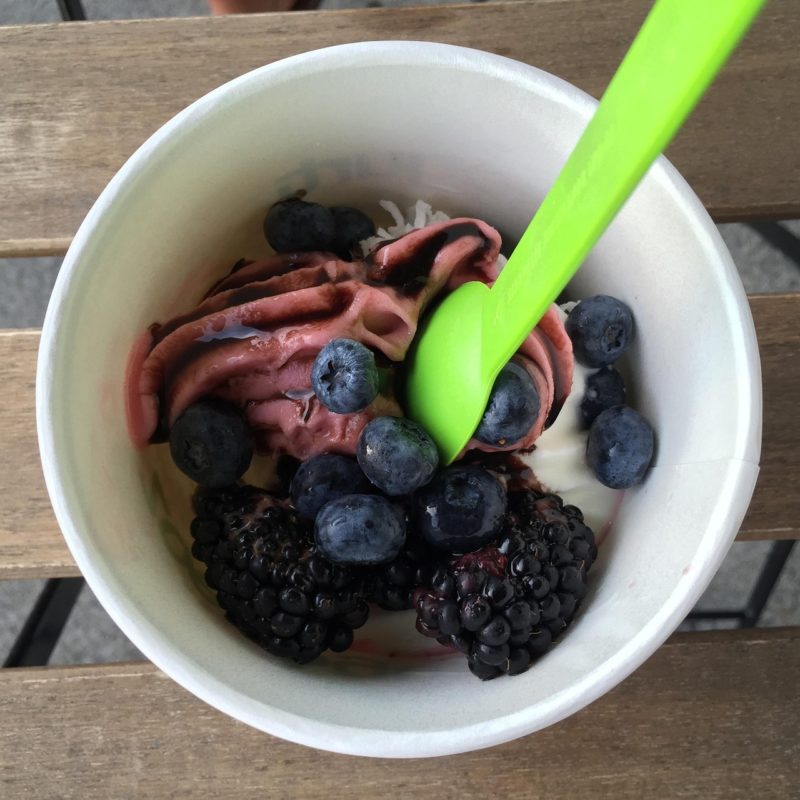
Scoop up the frozen yogurt if you want a healthier alternative to ice cream. The difference between how the two are made is also the reason why frozen yogurt has a healthier arsenal of cold treat goodness than ice cream does.
The Important Difference Between Ice Cream and Frozen Yogurt
Both yogurt and ice cream are dairy products that begin with milk. While yogurt can be made with varying levels of milk fat (nonfat, low-fat, or whole milk depending on the product), the U.S. Food and Drug Administration requires that ice cream must contain at least 10 percent milk fat by weight. That percentage is achieved by adding cream. Furthermore, the richest, smoothest, premium creams contain even more milk fat.
Gelato, for example, typically contains about 4 to 9 percent milk fat, often less than traditional ice cream due to a higher milk-to-cream ratio. When it comes to healthy eating, ice cream starts out with a disadvantage on the fat content.
How Yogurt is Made
Frozen yogurt gains another benefit over ice cream from the way that yogurt is made. The bacterial cultures that ferment the milk and turn it into yogurt do so by producing lactic acid. The lactic acid thickens the milk proteins, turning them into yogurt. At the same time, the acid restricts the growth of non-beneficial bacteria. As a result, this enhances the probiotic benefits of yogurt.
During fermentation, some lactose is broken down by bacterial cultures, which may make yogurt easier to digest for some people with lactose intolerance, the sugar present in milk. Those who suffer from lactose intolerance lack the lactase needed to digest lactose. While many lactose-intolerant individuals may tolerate yogurt or frozen yogurt better than ice cream, tolerance varies from person to person. Also, it varies from product to product.
Yogurt vs. Ice Cream
Frozen yogurt and ice cream do have some similarities. Just as sugar is added to the cream to achieve the sweet taste of ice cream, sugar is added to yogurt to give frozen yogurt a sweeter taste. Neither frozen yogurt nor ice cream has a consistent advantage in sugar content. This is because both can vary widely depending on added sweeteners, syrups, and toppings. However, healthy toppings such as fruits, nuts, and granola help to reduce the sugar content of either a frozen yogurt or ice cream treat.
Even though frozen yogurt may lose the battle to ice cream when it comes to sugar content, it retains the advantage in vitamin and mineral content. From its dairy base, frozen yogurt can provide nutrients such as calcium and vitamin B12. However, those levels vary depending on ingredients and whether the product is fortified.
Some yogurt cultures may support digestion, but probiotic survival and benefits depend on processing, storage, and whether live cultures remain active in the final frozen product.
“Fro-Yo” Movement
With the popular rise in frozen yogurt, or “Fro-Yo” locations, many options have become available in finding the perfect frozen yogurt combination you are looking for. Some frozen yogurt companies offer nonfat or low-fat options. However, nutritional content varies widely across brands and flavors.
Calorie and sugar content can vary significantly depending on brand, flavor, and toppings, and should not be generalized across all frozen yogurt products. Some flavors are available in Greek yogurt versions, tart versions, and no-sugar added versions. These options vary somewhat from the regular flavors.
Nutritionally, each one half-cup serving may provide varying amounts of carbohydrates and protein depending on formulation and milk type used. In addition, some frozen yogurts contain live cultures and provide nutrients such as calcium and vitamin B12. Other vitamins (such as vitamin C) are typically minimal unless added through fortification or fruit ingredients.
One Additional Benefit for the Summer Season
Everyone will appreciate that, with frozen yogurt, you will have fewer sticky messes to scoop up. Melting speed varies based on ingredients, air content, and stabilizers, so frozen yogurt does not consistently melt slower than ice cream. Don’t rush enjoying your treat and savor the yogurt in the warm summer sun.
Would you like to receive similar articles by email?

Rachelle Wilber
Rachelle Wilber is a freelance writer living in the San Diego, California area. She graduated from San Diego State University with her Bachelor's Degree in Journalism and Media Studies. She tries to find an interest in all topics and themes, which prompts her writing. When she isn't on her porch writing in the sun, you can find her shopping, at the beach, or at the gym. You can follow her on LinkedIn.


You May Also Like

Key Elements That Define the High-End Catering Experience

Growing Unique Fruits and Vegetables: A Guide to Cultivating Rare and Exotic Produce in Your Garden