Why Financial Education Is Especially Important for Women
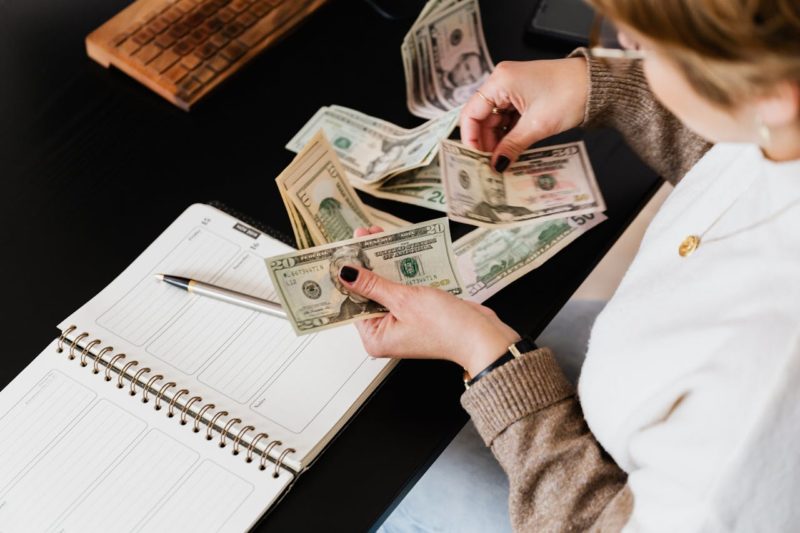
For many women, the subject of money feels overwhelming. Women face specific financial hurdles that make knowing how to manage money absolutely essential. A solid grasp of personal finance gives you the tools to make choices that align with your goals. In fact, financial education for women is especially important for building confidence around these decisions.
Learning about money is a process that pays off for years to come. Start small and build your knowledge over time. The journey to empowerment begins with a single step toward understanding your money better.
Essential Financial Literacy
Creating a secure future starts with learning the basics of money management. You need to know how much money is coming in and exactly where it is going. Creating a basic budget helps you direct your funds toward your priorities. Furthermore, when it comes to achieving lasting security, financial education for women can make all the difference.
Improving financial literacy for women means taking the time to learn about interest rates and debt management. When you grasp these core concepts, you can make informed decisions that protect your wealth. Learning to use various financial software can also streamline your money management tasks.
Tools created by companies like Intuit offer features that help you track your spending and see your financial picture in one place. Using helpful technology simplifies the process of staying on top of your savings goals. Above all, financial education for women opens up new opportunities for financial growth.
Strategies and Opportunities
Saving money in a bank account is rarely enough to build long term wealth. Inflation eats away at the purchasing power of cash over time. To grow your wealth, you have to put your money to work in the stock market or other investment vehicles.
People often hesitate to invest due to a fear of losing money. Minimize risk through diversification and a long term perspective. You might start with a retirement account offered through your workplace. Consistent contributions add up significantly thanks to compound interest.
Addressing Specific Obstacles
Fear frequently holds women back from taking charge of their finances. Society often sends mixed messages about who should handle the money. You can overcome this hesitation through education and action.
Reading books or taking online courses focused on personal finance will boost your confidence. Another common obstacle is dealing with unexpected expenses. A solid emergency fund acts as a buffer between you and financial disaster. Having three to six months of living expenses saved provides immense peace of mind.
The Power of Financial Independence
Having control over your money translates directly to having control over your life choices. Financial independence means you can leave a toxic job without fearing destitution. It provides the freedom to pursue a career you love, even if it pays less.
You gain the ability to support causes you care about. This independence transforms how you view your capabilities. You stop viewing money as a source of stress and start seeing it as a tool for creating the life you desire.
Practical Steps to Empowerment
Gaining control of your money requires daily action. Track your expenses for a month to see exactly where your money goes. Next, set specific financial goals. Whether you want to pay off a credit card or save for a house, writing your goals down makes them real.
Educate yourself continually. Dedicate fifteen minutes a week to checking your account balances. Regular check-ins keep you engaged with your money. As you build your knowledge, your financial anxiety will decrease.
Would you like to receive similar articles by email?

Danuta Smoluk
Danuta Smoluk is a teacher with over three decades of experience teaching both children and adults. She specializes in teaching the Polish language to English-speakers. She has a master's degree in primary and early childhood education from WSP Słupsk (currently Pomeranian University in Słupsk) and had her degree validated by University of Toronto. Aside from education, she also has an interest in real estate and home improvement. She has planned and supervised many house renovations. She loves interior design, cooking, and gardening.


You May Also Like

Real-World Safety Lessons Every Student Should Know Before Graduation
When Considering a Career Change Training for in-Demand Skills Makes the Difference