Why Your Drone’s Battery Is Dying So Quickly
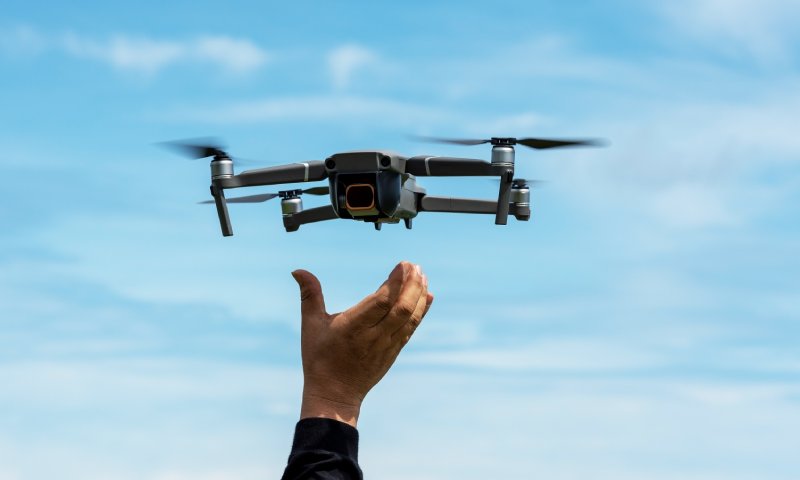
If you’ve noticed your drone’s battery isn’t lasting as long as it used to, you’re not alone. Many drone enthusiasts and hobbyists face this issue and wonder why their high-tech devices lose power so quickly. Understanding the reasons behind battery drain in drones is essential if you want to extend flight time and keep your device operating at peak performance. This article explores why your drone’s battery is dying so quickly and what you can do about it.
Causes of Rapid Battery Drain in Drones
Several factors affect the lifespan of a drone’s battery. Environmental conditions, flying habits, battery age, and overall battery health can contribute to shorter usage times.
Temperature
Temperature extremes can negatively impact battery performance. Cold weather often reduces battery efficiency, while high temperatures can cause overheating and degrade the battery over time.
Additionally, flying in strong winds forces your drone’s motors to work harder to maintain stability, significantly increasing power consumption. Similarly, aggressive flying, such as rapid acceleration or constant high-speed maneuvers, can demand more power and lead to quicker depletion of your battery.
Weight
Another factor to consider is the weight your drone is carrying. Additional attachments like cameras, gimbals, or extra sensors can increase the load, requiring the propulsion system to draw more power and consume more energy.
Battery Type and Age
Most modern drones use Lithium Polymer (LiPo) or Lithium-ion batteries, which naturally degrade over time. Each battery has a limited number of charge cycles (often around 100–300), after which its capacity begins to decline. Even if not heavily used, batteries can lose efficiency simply due to aging.
Improper use can accelerate this process. Frequently draining the battery too low or keeping it fully charged for long periods can permanently reduce its lifespan.
Firmware
However, an often overlooked factor is outdated firmware. Drone manufacturers frequently release firmware updates to improve overall functionality and optimize power usage. While firmware updates typically don’t cause major battery drain on their own, they can improve efficiency and fix power-related issues. Failing to update your firmware also means you miss out on important optimizations that the manufacturer designed specifically to address battery performance issues.
Flight Settings and Features
Modern drones include advanced features such as obstacle avoidance, GPS stabilization, and high-resolution video recording (like 4K). While useful, these features consume additional power. Flying in high-performance or “sport” modes can also drain your battery significantly faster than standard flight modes.
How To Prevent Fast Battery Drain
To address why your drone’s battery is dying so quickly, start by taking a proactive approach to care and maintenance. Always follow the manufacturer’s recommendations for charging and storing the battery. Ensure that you’re charging your battery correctly, as using non-approved chargers, charging while the battery is still hot, or allowing it to fully discharge too often can harm its longevity.
For storage, keep your battery at around 40–60% charge if you won’t be using it for an extended period. Avoid storing it fully charged or completely drained, as both can reduce long-term performance.
Additionally, make it a habit to check for firmware updates regularly. Updating your drone’s firmware is not only vital for improving battery life but also ensures you benefit from enhanced features and bug fixes. These updates can help your drone use power more efficiently, leading to a better overall experience.
Finally, consider optimizing your flying habits. Keep your drone’s weight to a minimum, avoid overloading, and fly within moderate environmental conditions to maximize battery life. Avoid strong winds, use standard flight modes when possible, and ensure your drone’s sensors and calibration (such as compass and IMU) are properly set to prevent unnecessary power drain.
Signs Your Drone Battery Needs Replacement
In some cases, reduced battery life isn’t fixable and indicates the battery needs replacing. Watch for these signs:
- Swelling or puffing (common in LiPo batteries)
- Significantly shorter flight times despite full charges
- Sudden drops in battery percentage during flight
Conclusion
Now that you know why your drone’s battery is dying so quickly and how to address the problem, take the time to care for your battery properly, monitor its age, and follow best storage practices. Simple adjustments can make a big difference in extending your drone’s lifespan and improving flight times.
Would you like to receive similar articles by email?

Paul Tomaszewski
Paul Tomaszewski is a science & tech writer as well as a programmer and entrepreneur. He is the founder and editor-in-chief of CosmoBC. He has a degree in computer science from John Abbott College, a bachelor's degree in technology from the Memorial University of Newfoundland, and completed some business and economics classes at Concordia University in Montreal. While in college he was the vice-president of the Astronomy Club. In his spare time he is an amateur astronomer and enjoys reading or watching science-fiction. You can follow him on LinkedIn and Twitter.


You May Also Like

Building an Airport: Everything You Need to Know