What To Consider Before Clearing Part of Your Property
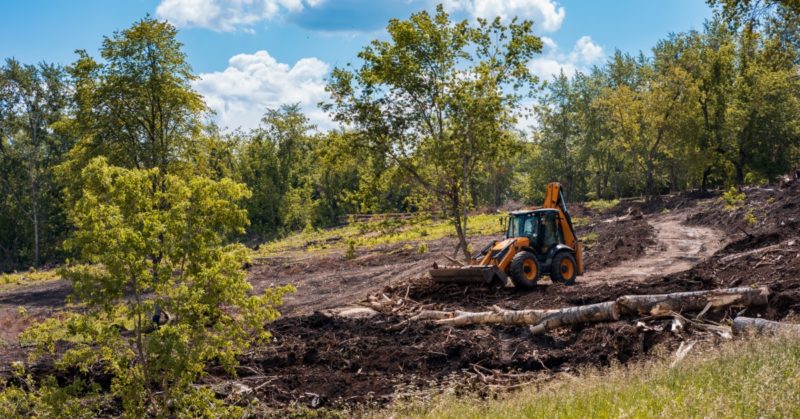
An overgrown section of land can look like a straightforward weekend project: remove the brush, cut back unwanted growth, and reclaim the space. In practice, clearing vegetation can affect much more than appearances. Soil stability, drainage, wildlife habitat, access, and future maintenance can all change once established plants are removed.
That makes planning an important part of what to consider before clearing part of your property. Whether the goal is to open a walking path, make a backyard more usable, improve access to an outbuilding, or simply bring an unruly corner under control, understanding the site first prevents unnecessary work and unintended damage.
Start With a Clear Purpose
Before removing anything, decide what the cleared area is supposed to become. A space intended for a garden will require a different approach from a trail, recreation area, fence line, or open patch of ground.
Defining the purpose also establishes boundaries. It can be tempting to keep clearing once the work begins, especially when every newly exposed patch makes the next one seem more manageable. Marking the intended area beforehand prevents a modest project from turning into a landscape overhaul.
Consider what needs to disappear and what can stay. Mature trees, healthy native plants, shade-producing vegetation, and natural buffers may continue to serve useful purposes even when surrounding brush is removed.
Understand What Is Growing There
Dense vegetation is rarely just one kind of plant. An overgrown area may contain grasses, vines, shrubs, saplings, mature trees, invasive plants, and desirable native species all tangled together.
Walking the area before starting can reveal vegetation worth preserving. It can also identify plants that may require special handling. Invasive species, for example, sometimes spread when cut material, roots, or seeds are moved elsewhere.
The density and type of growth influence how the work should be approached. Light weeds and tall grass are fundamentally different from woody brush and closely spaced saplings. For particularly thick vegetation, the way equipment is operated matters because clearing dense brush without damaging the land involves considering factors such as soil disturbance, equipment movement, and how much vegetation should be removed at once.
Pay Attention to the Ground Beneath the Brush
Vegetation can hide surprisingly complicated terrain. Rocks, holes, old stumps, fallen branches, steep grades, discarded materials, and wet areas may be difficult to see until work has already started.
Inspecting the ground on foot provides a better sense of the site’s conditions. This is especially important on sloped or uneven land, where removing vegetation can expose loose soil.
Roots help hold soil in place. Clearing too much vegetation from a slope may therefore increase erosion, particularly during heavy rain. Leaving selected plants, establishing ground cover, or working in smaller sections preserves stability while the landscape transitions.
Consider Where the Water Goes
A property does not need a creek running through it for drainage to matter. Rainwater moves across slopes, collects in depressions, follows compacted paths, and soaks into soil at different rates.
Existing vegetation slows some of that movement. Removing it can change how quickly water travels across the site and where it collects.
Look for low spots, channels formed by previous storms, soggy ground, and areas where runoff enters or leaves the property. If a section regularly holds water, clearing it will not necessarily make it drier. In some situations, exposing and compacting the soil can make drainage problems more noticeable.
Think About Wildlife Before Work Begins
What looks like an inconvenient thicket to a property owner may be shelter or feeding habitat for wildlife. Shrubs, deadwood, tall grasses, and tree cavities can support birds, insects, small mammals, and other animals.
Before clearing part of your property, inspect the area for nests, burrows, hives, and other signs of activity. Seasonal timing can matter as well, particularly when birds or other wildlife are actively nesting or raising young.
It is not always necessary to preserve every patch of brush. However, retaining some vegetation around the edges or keeping selected shrubs and trees can maintain habitat while still creating a more usable space.
Plan How Equipment Will Reach the Area
The clearing site is only part of the equation. Equipment and removed material need a practical route in and out.
Consider gates, narrow passages, overhead branches, soft soil, slopes, nearby structures, fences, and underground or overhead utilities. Repeatedly driving across the same ground can compact soil and damage vegetation outside the intended work zone.
A designated access route reduces that disturbance. It also makes it easier to determine where cut material will go rather than creating piles wherever space happens to be available.
Decide What Will Happen to the Debris
Brush has an impressive ability to occupy more space after it has been cut. A relatively small area of standing vegetation can become a substantial pile of branches, vines, logs, and plant material.
Before starting, decide how that material will be managed. Depending on local options and the type of vegetation, possibilities may include chipping, composting suitable material, hauling it away, or retaining some woody debris in an appropriate location. Planning ahead prevents the cleared space from immediately becoming a storage area for everything that was just removed.
Check Boundaries and Local Requirements
Property lines are worth confirming before vegetation disappears. Fences, old markers, and assumptions about where one yard ends are not always reliable indicators of the actual boundary.
Local requirements may also apply to certain types of vegetation removal, protected trees, wetlands, waterways, steep slopes, or disposal methods. Rules vary widely by location, so checking relevant local requirements before beginning a significant project avoids complications later.
Utility locations deserve similar attention. Any project that involves digging, stump removal, grading, or disturbing the ground should account for buried infrastructure before work begins.
Have a Plan for What Comes Next
Clearing is rarely a one-time event. Sunlight reaching previously shaded soil can encourage grasses, weeds, vines, and dormant seeds to grow quickly. Some woody plants can also resprout after being cut.
A maintenance plan might involve mowing, trimming, removing new shoots, establishing desired ground cover, or periodically inspecting the area for invasive growth. This is where the original purpose becomes important again. If the goal is simply to have less brush, the site can quickly drift back toward its previous condition. If the goal is a maintained trail, meadow, garden edge, or open recreation space, future decisions become much easier.
Clear With the Whole Site in Mind
The most effective property clearing projects consider what should remain as carefully as what should be removed. Vegetation influences shade, soil, water, wildlife, privacy, and the character of a landscape, so changing one section can have effects beyond the immediate work area.
Before clearing part of your property, define the intended use, examine the vegetation and terrain, account for water and wildlife, and plan both access and long-term maintenance. A little observation before cutting begins results in a space that is not only cleaner and more useful, but also easier to manage over time.
Would you like to receive similar articles by email?

Danuta Smoluk
Danuta Smoluk is a teacher with over three decades of experience teaching both children and adults. She specializes in teaching the Polish language to English-speakers. She has a master's degree in primary and early childhood education from WSP Słupsk (currently Pomeranian University in Słupsk) and had her degree validated by University of Toronto. Aside from education, she also has an interest in real estate and home improvement. She has planned and supervised many house renovations. She loves interior design, cooking, and gardening.


You May Also Like

How to Move and Downsize Simultaneously

Great Ways To Use Glass in Your Home Design