What Do Professional Car Detailing Services Include?
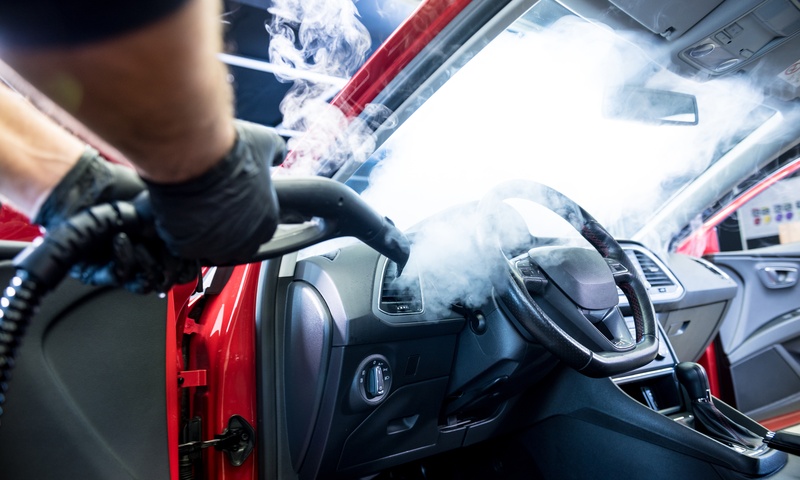
Professional vehicle detailing goes beyond a standard car wash by focusing on thorough cleaning, surface restoration, and long-term maintenance. For those unfamiliar with what professional car detailing services include, the process involves a series of steps designed to improve the appearance and condition of a vehicle.
Exterior Detailing: Cleaning and Surface Care
Exterior detailing focuses on removing contaminants and improving the vehicle’s finish.
Washing and Decontamination
The car detailing process typically begins with a careful hand wash to remove dirt and debris. After washing, detailers may use a clay bar treatment to eliminate embedded contaminants, such as road tar, brake dust, and environmental residue. This step creates a smoother exterior surface and ensures that any remaining particles do not interfere with later stages of the detailing process.
Paint Correction
Over time, a vehicle’s paint may develop swirl marks, oxidation, and minor scratches. Paint correction involves polishing the car’s surface to reduce these imperfections and restore clarity. The proper approach depends on the condition of the paint, and a detailer’s understanding of paint correction techniques allows them to refine a vehicle’s finish without total repainting. In some cases, multiple polishing stages may be required to achieve the desired level of improvement.
Protective Coatings
Once the vehicle’s surface is corrected, a protective layer is applied; this may include wax, synthetic sealants, or ceramic coatings. These products shield the paint from environmental damage, such as UV exposure and moisture, while also making routine cleaning more effective and less time-consuming.
Interior Detailing: Cleaning and Preservation
Interior car detailing focuses on maintaining a clean and well-preserved cabin environment.
Vacuuming and General Cleaning
All interior areas are vacuumed, including carpets, seats, and hard-to-reach spaces. Dust and debris are removed from surfaces such as dashboards, door panels, and consoles. This step often includes the use of compressed air or soft brushes to dislodge particles from tight areas.
Upholstery and Material Treatments
Fabric upholstery is typically shampooed or steam-cleaned to remove stains and odors, while leather surfaces are cleaned and conditioned to maintain flexibility and prevent wear over time. Proper treatment helps extend the lifespan of the interior materials and keeps them looking consistent.
Detailing Small Areas
Attention is also given to smaller components, including air vents, cup holders, and controls. These areas often accumulate dust and residue and require more precise cleaning techniques. Even interior glass is polished to improve visibility and remove streaks or film buildup.
Why Detailing Is Different
Understanding what is included in professional car detailing services highlights the difference between routine cleaning and professional care. Detailing emphasizes thoroughness, surface protection, and long-term maintenance rather than quick, surface-level results. By addressing both visible and less noticeable areas, the detailing process supports overall vehicle upkeep.
Would you like to receive similar articles by email?

Paul Tomaszewski
Paul Tomaszewski is a science & tech writer as well as a programmer and entrepreneur. He is the founder and editor-in-chief of CosmoBC. He has a degree in computer science from John Abbott College, a bachelor's degree in technology from the Memorial University of Newfoundland, and completed some business and economics classes at Concordia University in Montreal. While in college he was the vice-president of the Astronomy Club. In his spare time he is an amateur astronomer and enjoys reading or watching science-fiction. You can follow him on LinkedIn and Twitter.


You May Also Like

Why Pre-Owned Jeeps Are in High Demand
How To Choose the Right Turbo for Your Diesel Truck