What Parts of a Car Need to Be Lubricated?
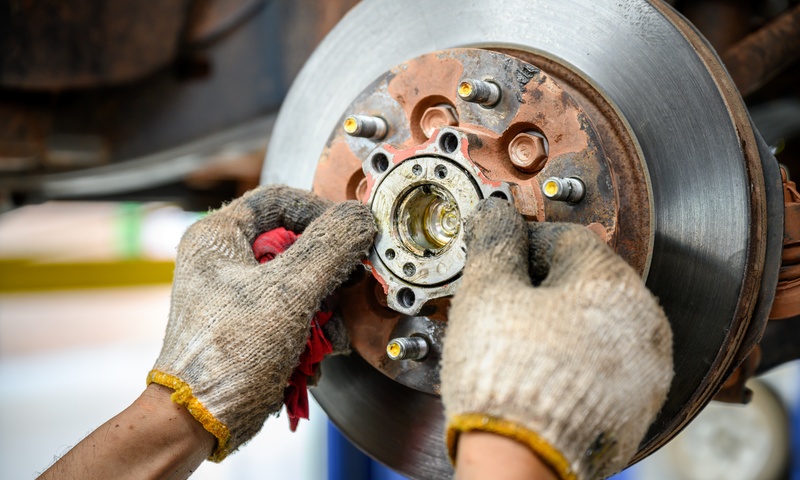
Vehicles are complex, wonderfully stubborn machines full of moving parts. Over time, those parts grind and press against each other, which can create heat and wear down the surfaces that need to move smoothly. To keep wear to a minimum and prevent failure, owners should regularly lubricate the most demanding parts of their vehicles using the right grease. Here are the spots you should focus on to keep things running like they’re supposed to.
The Chassis and Suspension Joints
Underneath your car, the chassis holds everything together while the suspension absorbs every bump, dip, and pothole you drive through. The joints that connect those components move constantly, and without lubrication, metal contacts metal until the joint wears out. If you’ve ever heard a clunking noise when hitting a rough patch of road, dry suspension joints are a common reason. A grease gun with the right lubricant applied to the zerk fittings on those joints keeps them moving smoothly.
The Wheel Bearings
Wheel bearings let your wheels spin freely without dragging against the axle. They sit inside the wheel hub and take a serious amount of load every time you drive. When bearing grease breaks down or dries out, you might notice a grinding hum that gets louder at higher speeds. Catching that early is important because a failed wheel bearing doesn’t just cause noise. It can affect steering control too.
The Steering Components
Your steering rack, tie rods, and the joints connecting them all need lubrication to move precisely. If any of those parts run dry, you lose the smooth, responsive feel you want when turning. The steering system works through a series of pivot points, and grease keeps those points from developing the play that leads to sloppy handling.
The Driveshaft U-Joints
The driveshaft transfers power from the engine to the wheels, and the universal joints at each end flex as the driveshaft rotates. That constant flexing creates friction. A vibration you feel through the floorboard at highway speeds often traces back to a dry or worn U-joint. Greasing those joints regularly extends the life of the driveshaft and keeps that power transfer smooth.
The Fifth Wheel Coupling
Owners of semi-trucks will also want to lubricate their long-haul fifth wheels regularly. Fifth wheels are the large coupling plates that connect the cab to the trailer. When a loaded trailer moves through turns, the trailer plate and the fifth wheel rub against each other under pressure. Without a layer of grease between those surfaces, that contact wears down the coupling plate and makes unhitching harder over time.
Keep It Greased, Keep It Going
Skipping lubrication on the key parts of your car is one of the easier ways to shorten the life of an expensive system. None of these components announce their problems loudly at first. Wear builds quietly until you’re dealing with a repair that a tube of grease could have delayed by years. A regular schedule and the right product for each part is all it takes to stay ahead of it.
Would you like to receive similar articles by email?

Paul Tomaszewski
Paul Tomaszewski is a science & tech writer as well as a programmer and entrepreneur. He is the founder and editor-in-chief of CosmoBC. He has a degree in computer science from John Abbott College, a bachelor's degree in technology from the Memorial University of Newfoundland, and completed some business and economics classes at Concordia University in Montreal. While in college he was the vice-president of the Astronomy Club. In his spare time he is an amateur astronomer and enjoys reading or watching science-fiction. You can follow him on LinkedIn and Twitter.


You May Also Like

The Lincoln MKZ’s Panoramic Sunroof

Top Tips To Help Take Better Care Of Your 4X4 Truck