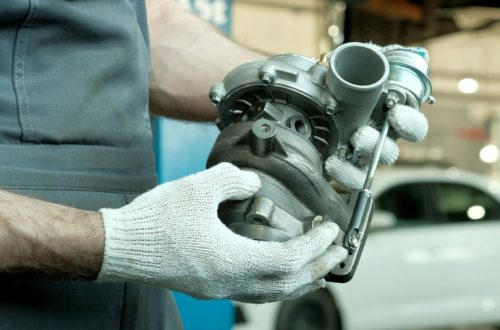
What Makes a Vehicle Engine Truly Reliable

We throw the word “reliable” around a lot. For a vehicle’s engine, it means more than just starting every morning. But what exactly defines a reliable engine? True reliability is about longevity under pressure. It is about predictable performance at 200,000 miles. It is about surviving extremes of heat, cold, and driver neglect.
This kind of durability is not an accident. It is the result of specific design philosophies, material choices, and engineering trade-offs. Let’s unpack what separates a fragile powerplant from a legend.
The Foundation: Simple, Robust Design
Complexity is the enemy of reliability. Every extra sensor, actuator, or valve is a potential failure point. The most reliable engines often have a straightforward design. They use proven architectures. They avoid unnecessary gadgets that can break. Over-engineering for strength is common. Critical components are built thicker and heavier. This might sacrifice a bit of efficiency or peak power. It pays off in decades of service.
Many engines achieve legendary status for this reason. They are not the most powerful. They are incredibly tough. A widely respected example is the 3.6 GM engine in its later iterations. After initial teething problems, its design matured into a model of balanced, durable performance for millions of vehicles. It shows how refinement leads to trust.
The Heart of the Matter: Internal Component Quality
The parts you never see define reliability. The metallurgy of the crankshaft and connecting rods is critical. High-quality bearings have precise tolerances and advanced coatings. Valvetrain components like lifters and camshafts must endure billions of cycles. Piston rings must seal perfectly for hundreds of thousands of miles.
Manufacturers use different grades of materials here. The choice between a cast aluminum piston and a forged steel one matters immensely during high stress. Reliable engines use the best internal parts they can within the cost target. This hidden quality is what you are actually buying.
Thermal Management: The Unsung Hero
Heat destroys engines. A reliable engine manages temperature flawlessly. This starts with a robust cooling system. The water pump must be durable. The radiator must have ample capacity. Coolant passages in the block and heads must be designed for even flow.
Advanced systems might use variable coolant pumps or dual thermostats. They keep the engine at its ideal operating temperature in all conditions. Consistent temperatures prevent warping. They also prevent localized hot spots that can cause pre-ignition or knock. Good thermal management is a silent guardian against a thousand fatal failures.
Lubrication: The Lifeblood System
Oil is not just for lubrication. It also cleans, cools, and protects. A reliable engine has a bulletproof oiling system. The oil pump must provide steady pressure. The pickup tube must be positioned to avoid oil starvation during hard cornering. The oil passages must be large and free of debris from manufacturing.
The system must get oil to critical components instantly on startup. Many failures occur in the first few seconds before oil pressure builds. High-quality oils and filters are part of this equation. The owner provides those. The engine’s design must ensure the oil can do its job perfectly.
The Balance of Power and Stress
Engineers talk about specific output. This is horsepower per liter. A highly strung, turbocharged engine making 150 horsepower per liter is under immense stress. A naturally aspirated engine making 75 horsepower per liter is much more relaxed. Higher stress generally means shorter lifespan.
Truly reliable engines often have moderate specific output. They are not tuned to the razor’s edge. This leaves a safety margin. It allows components to operate well within their design limits. This conservative approach is a key to longevity.
The Integration With Supporting Systems
An engine does not live alone. It needs a reliable partner in the transmission. The most durable powertrains have a harmonious relationship. The transmission must handle the engine’s torque smoothly. Its cooling system must be adequate. The engine’s computer must communicate perfectly with the transmission’s computer.
Mismatches here cause harsh shifts, overheating, and premature wear. Reliability is about the entire powertrain ecosystem, not just the combustion chamber.
Manufacturing Consistency: The Human and Robot Factor
A perfect design can be ruined on the assembly line. Reliable engines come from factories with impeccable quality control. Robotic assembly ensures every bolt has the exact same torque. Clean rooms prevent contaminants from entering the engine during build. Workers must be trained and diligent.
A single mistake can doom an otherwise perfect engine. The reputation for reliability is built one consistently well-assembled unit at a time. This is often the difference between two engines with similar designs.
The Design for Serviceability
This is a practical but overlooked factor. Can you easily reach common wear items? Is the water pump buried under the timing cover? Reliable engines are often easier to service. This encourages owners to perform preventative maintenance.
If a simple repair requires removing the engine, people will delay it. That delay can cause a cascade of failures. A design that allows for straightforward repairs supports long-term reliability. It keeps small problems small.
Wrapping Up
True reliability is a holistic achievement that blends conservative design with quality materials. It masters the fundamentals of cooling and lubrication. It values longevity over peak performance and demands excellence in manufacturing.
When you find an engine that excels in all these areas, you have found a treasure. It is the kind of machine that becomes part of a family’s history. It provides not just transportation, but peace of mind for a decade or more. That is the ultimate goal.
Would you like to receive similar articles by email?

Paul Tomaszewski
Paul Tomaszewski is a science & tech writer as well as a programmer and entrepreneur. He is the founder and editor-in-chief of CosmoBC. He has a degree in computer science from John Abbott College, a bachelor's degree in technology from the Memorial University of Newfoundland, and completed some business and economics classes at Concordia University in Montreal. While in college he was the vice-president of the Astronomy Club. In his spare time he is an amateur astronomer and enjoys reading or watching science-fiction. You can follow him on LinkedIn and Twitter.


You May Also Like

Why Pre-Owned Jeeps Are in High Demand

Which Toyota Has the Best Resale Value