3 Ways Hydrogen Sulfide Impacts the Environment
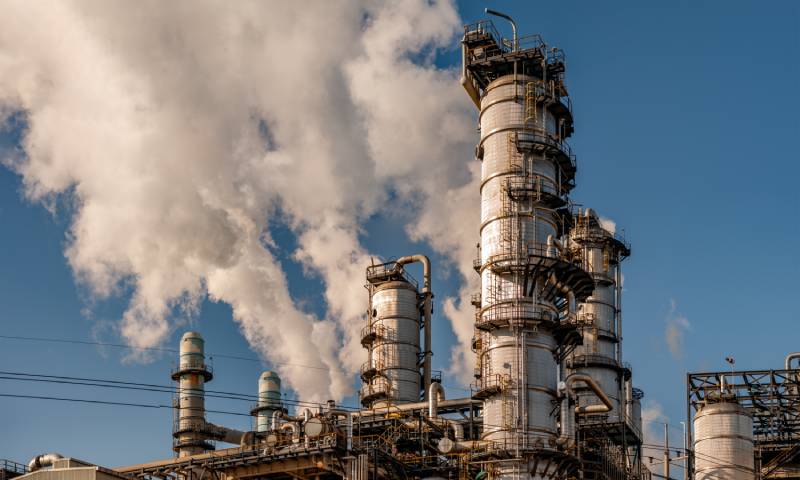
Hydrogen sulfide is a naturally occurring compound with a distinct rotten egg odor that arises from both natural and industrial processes. While it has legitimate industrial applications, including petroleum refinement and wastewater treatment, its environmental impact raises significant concerns. Understanding these effects, as well as its chemical behavior in the environment, is essential for creating balanced and sustainable solutions. Continue reading to learn about the primary ways hydrogen sulfide impacts the environment.
Air Quality
Hydrogen sulfide in the atmosphere poses challenges for air quality and public health. When released, it contributes to odor pollution, which can significantly reduce the quality of life in affected areas. Additionally, prolonged exposure to even low concentrations may affect breathing and overall respiratory health, particularly for individuals living near industrial sites or natural emission sources.
In the atmosphere, hydrogen sulfide undergoes oxidation and can form sulfur dioxide and sulfate aerosols, which contribute to fine particulate (PM2.5) pollution and acid rain formation. Because of these chemical transformations, addressing hydrogen sulfide emissions plays a significant role in reducing broader sulfur-based air pollution and protecting public health.
Hydrogen sulfide is also emitted from both industrial sources and natural ones such as volcanic activity, wetlands, geothermal systems, and marine sediments.
Water Bodies and Aquatic Life
Hydrogen sulfide is particularly harmful when it seeps into water systems, whether through natural decomposition, industrial runoff, or accidental leaks.
Elevated hydrogen sulfide levels in water are typically produced under low-oxygen (anoxic) conditions and are a byproduct of anaerobic decomposition rather than a primary cause of oxygen depletion. In these environments, aquatic life struggles to survive due to both oxygen scarcity and direct toxicity.
Fish depletion and weakened ecosystems are direct consequences, threatening local biodiversity and the livelihoods of communities reliant on fishing. When hydrogen sulfide interacts with water sediments, it can also mobilize toxins that further compromise water quality. As such, it’s essential to monitor and regulate emission levels in marine and freshwater environments.
Soil Degradation
The presence of hydrogen sulfide in the soil disrupts the natural balance essential for plant growth and microbial ecosystems. This compound primarily alters soil redox conditions, creating reducing (oxygen-poor) environments that can be toxic to plant roots and soil microorganisms rather than significantly changing soil pH.
Furthermore, long-term hydrogen sulfide exposure creates conditions favorable for toxins that inhibit essential microorganisms. These disruptions can extend agricultural challenges, decreasing crop yields and harming the farmers who depend on fertile lands for their livelihoods. Preventing soil degradation caused by hydrogen sulfide is instrumental in maintaining sustainable agricultural practices.
Mitigation and Prevention Techniques
Proactive efforts to control the dangers of hydrogen sulfide emissions are crucial for both environmental and public health. Innovations such as improved industrial scrubbers, biofiltration, and regular monitoring procedures have shown promise in reducing atmospheric release.
At the community and government levels, stricter emission standards, continuous real-time gas monitoring systems, and improved industrial compliance enforcement have proven effective in reducing exposure risks.
Small-scale changes, like minimizing waste that emits hydrogen sulfide during decomposition, also contribute significantly to curbing its environmental impact.
Conclusion
Addressing hydrogen sulfide emissions is not just about improving current conditions—it is also about reducing long-term sulfur pollution cycles that affect air, water, and soil systems. Recognizing the ways hydrogen sulfide impacts the environment will inspire innovative approaches and foster collaboration among industries, scientists, and policymakers. Together, these efforts can ensure a cleaner, healthier, and more resilient planet.
Would you like to receive similar articles by email?

Paul Tomaszewski
Paul Tomaszewski is a science & tech writer as well as a programmer and entrepreneur. He is the founder and editor-in-chief of CosmoBC. He has a degree in computer science from John Abbott College, a bachelor's degree in technology from the Memorial University of Newfoundland, and completed some business and economics classes at Concordia University in Montreal. While in college he was the vice-president of the Astronomy Club. In his spare time he is an amateur astronomer and enjoys reading or watching science-fiction. You can follow him on LinkedIn and Twitter.


You May Also Like

Different Types of Biotechnology and Their Uses

A Glance at the Different Types of Farm Soil