Using Production Data To Make Better Business Decisions
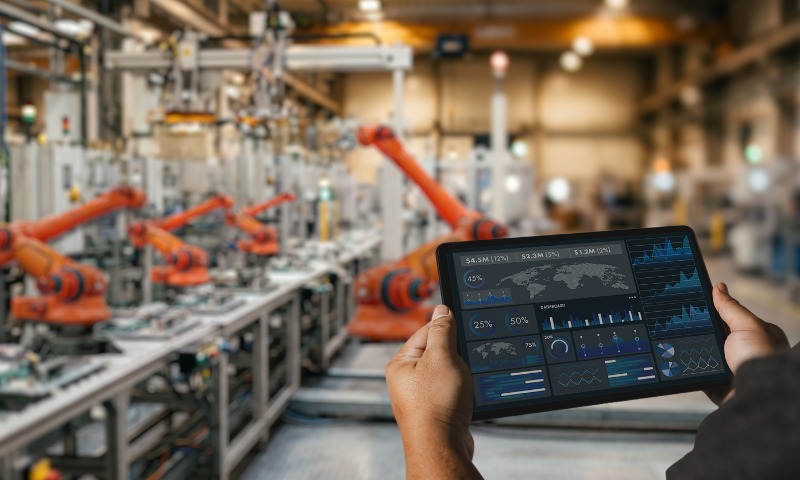
You might know exactly how much your facility produces each day, but that number doesn’t always explain whether your operation performs as well as it could. Production delays can quietly increase costs, while equipment problems may go unnoticed until they disrupt an important order. Without reliable information, you’re left making expensive decisions based on assumptions rather than actual operating conditions. Using production data to make better business decisions helps you understand what’s happening on the factory floor and where your attention can make the greatest difference.
Look Beyond Total Production Output
A successful production day involves more than meeting your output target. You might reach your expected volume while spending considerably more time than planned on the job. That difference deserves attention because meeting demand doesn’t necessarily mean you’re using your resources efficiently.
Compare actual production against the output you expected under normal operating conditions. If your team consistently falls short, investigate whether the target reflects your equipment’s realistic capabilities. You may find that your production schedule assumes more available operating time than your facility can consistently provide.
Understand What Output Doesn’t Reveal
Production totals can also conceal quality problems. For example, a line might produce enough units to meet its daily target, but rejected products could reduce the quantity available for shipment.
Track acceptable finished units separately from total units produced. This distinction gives you a clearer understanding of productive output and prevents inflated production figures from influencing your planning.
Identify Where Production Time Disappears
When production falls behind schedule, it’s tempting to assume your equipment needs to operate faster. However, a machine that runs at its intended speed may still deliver disappointing results if frequent interruptions reduce its available operating time.
Review downtime records to identify recurring interruptions rather than focusing exclusively on major breakdowns. A brief stoppage might seem insignificant during a busy shift, but repeated interruptions can consume substantial production time.
Pay attention to the circumstances surrounding each stoppage. If operators regularly stop a machine during a particular production run, investigate the operating conditions associated with that product. You’ll have a stronger basis for addressing the problem than you would by simply asking employees to increase output.
Connect Operating Performance With Costs
Production managers often concentrate on equipment performance, while business owners focus on financial results. You can connect those perspectives by examining the costs associated with actual production conditions.
Consider a production run that requires more labor hours than expected. The additional expense might result from equipment interruptions that extend the scheduled run. By comparing production records with labor costs, you can determine whether the extra hours reflect a temporary disruption or a recurring operational concern.
Material consumption deserves similar attention. When you compare the amount of material issued to production against acceptable finished output, you can identify losses that deserve investigation.
Use Equipment Information More Effectively
Modern manufacturing equipment can provide operating information beyond manual shift reports. Depending on the machine’s capabilities, you may have access to cycle counts or fault records that reveal patterns in production performance.
You can use these records to investigate recurring problems. For example, repeated faults during a particular production run might indicate that the machine setup needs adjustment rather than replacement.
Connected equipment also supports more consistent monitoring. In automated production lines, smart packaging equipment can provide operational data that helps teams identify recurring interruptions and assess machine performance. Managers can use these findings to make informed adjustments that improve production consistency.
However, automated reporting doesn’t replace human judgment. You’ll still need to consider operating conditions and maintenance records when interpreting unusual results.
Choose Metrics That Support Decisions
Collecting more information doesn’t automatically improve your business decisions. If your reports contain dozens of measurements without a clear purpose, your team may struggle to identify which results deserve attention.
Instead, select measurements that connect directly to the decisions you regularly make. Your priorities should reflect the operating problems you’re trying to address rather than the number of reports your equipment can generate.
Useful production measurements include:
- Actual output: The number of units your operation produces during a defined period
- Downtime duration: The amount of scheduled production time lost to interruptions
- First-pass yield: The percentage of units that meet quality requirements without rework
- Material waste: The quantity of production material that doesn’t become acceptable finished output
- Changeover duration: The time required to prepare equipment for the next production run
Each measurement serves a different purpose. Choose the ones that help your team investigate specific performance concerns, and review them consistently enough to recognize meaningful changes.
Make Comparisons That Reflect Reality
Production figures become more useful when you compare results under similar conditions. A high-volume production run may naturally deliver different results from a short run that requires frequent equipment adjustments.
If you compare those operations without accounting for their differences, you could incorrectly conclude that one team performs better than another.
Group production records according to relevant operating conditions. For example, compare runs involving the same product format and similar equipment settings when evaluating cycle performance.
You should also account for planned maintenance when reviewing equipment availability. Otherwise, you risk treating necessary maintenance work as an avoidable production failure.
Turn Findings Into Practical Improvements
Once you’ve identified a recurring problem, decide what change could reasonably address it. You don’t need to overhaul your operation every time a performance report reveals an unfavorable result.
Suppose your records show that changeovers regularly exceed their scheduled duration. Observe the transition process and determine which activity creates the delay. You might find that operators spend unnecessary time locating the correct change parts because the preparation process lacks consistency.
Test a targeted adjustment and compare subsequent changeover times against your original records. If performance improves without compromising quality requirements, you’ll have evidence that supports adopting the change more broadly.
Build Better Decisions Into Daily Operations
You don’t need to wait for a major production review to use the information your facility already collects. Give your team opportunities to discuss unusual results while the operating conditions remain fresh in their minds.
Encourage employees to explain what happened rather than simply reporting whether they met their targets. Their observations can help you distinguish genuine equipment problems from circumstances that production figures alone can’t explain.
Ultimately, using production data to make better business decisions requires consistent attention rather than occasional analysis. Choose one unresolved production question this week and identify the information needed to answer it. Then use what you find to make a specific improvement you can evaluate during the next production cycle.
Would you like to receive similar articles by email?

Paul Tomaszewski
Paul Tomaszewski is a science & tech writer as well as a programmer and entrepreneur. He is the founder and editor-in-chief of CosmoBC. He has a degree in computer science from John Abbott College, a bachelor's degree in technology from the Memorial University of Newfoundland, and completed some business and economics classes at Concordia University in Montreal. While in college he was the vice-president of the Astronomy Club. In his spare time he is an amateur astronomer and enjoys reading or watching science-fiction. You can follow him on LinkedIn and Twitter.


You May Also Like
Used Gaylord Boxes: Why Recycled Packaging Can Still Deliver Performance
Understanding Inventory Backflushing in a Warehouse