Ursid Meteor Shower Guide
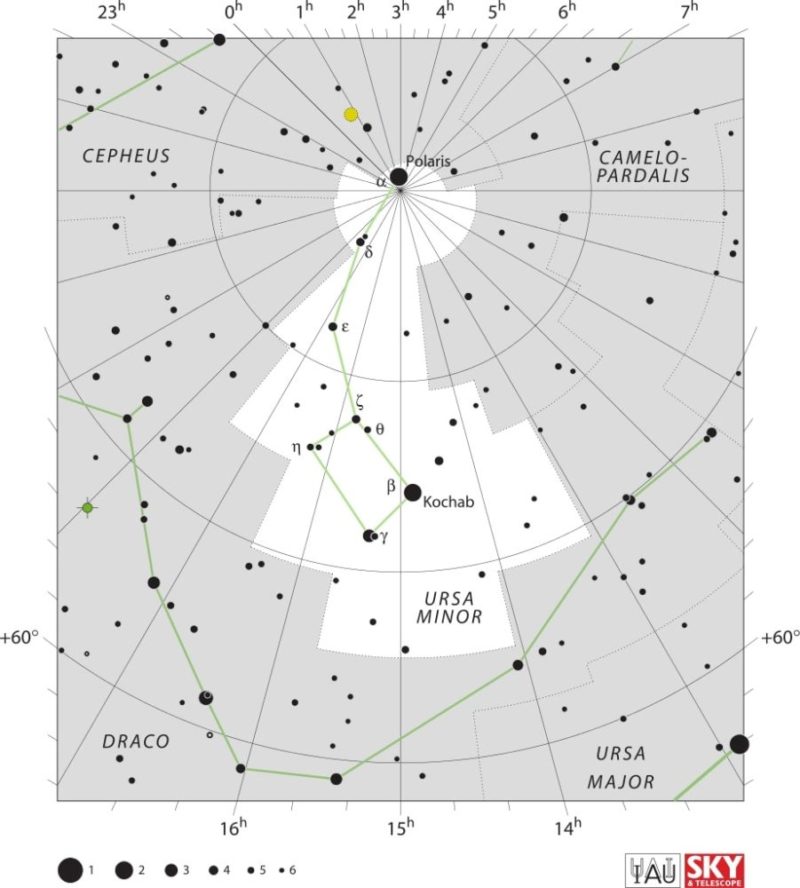
The Ursid meteor shower typically peaks around late December. During this yearly occurrence, skywatchers can witness meteors at a variable hourly rate.
The shower happens when Earth passes through the debris trail left by Comet 8P/Tuttle. Therefore, the meteors seem to come from the direction of the constellation Ursa Minor.
People love the peace and serenity that this event adds to the hustle and bustle of the Christmas season. Read on for how to see the Ursid meteor shower and get the best experience.
What Are Ursid Meteors Really?
Ursid meteors are an annual astronomical sky show that takes place every December, peaking on December 22. Save the date! This shower spans roughly December 17 to 26. It’s a variable rate shower, with the greatest performance observed from the Northern Hemisphere, where the radiant remains above the horizon throughout the night.
What sets the Ursids apart is their source: Earth crosses the path of debris left behind by comet 8P/Tuttle, which last came by in August 2021. As our planet moves through these dusty particles, we get to observe these meteors as they zip across the night sky. In typical years, the Ursids provide a rather paltry 5 to 10 meteors per hour. Infrequent outbursts can dramatically increase those rates.
Tiny Visitors from Space
Ursid meteors originate from debris that has broken off from comet 8P/Tuttle. These bits are typically about the size of a grain of sand or a pea. Composed of mostly rock with some water ice mixed in, they float through space until they enter Earth’s atmosphere.
When they do, friction with our atmosphere makes them heat up and burn bright, creating the beautiful streaks we see overhead. Occasionally, Ursids are known for producing fireballs too—these are the meteors that outshine all others.
The Ursids’ Place in Sky Shows
When stacked up to their cousins the Geminids or Perseids, Ursids are not as glamorous. Their coincidence with the winter solstice and holiday season makes them unique. This unique time encourages everyone who has the time to stop and reflect to gaze skyward.
While the numbers are smaller, the slow pace and chance for bright fireballs make the Ursids a treat for patient stargazers.
Why “Ursids”? The Bear Connection
The shower gets its name from its radiant point located close to the star Beta Ursae Minoris, known as Kochab. That star is in Ursa Minor, the Little Bear. The Ursids’ radiant connects the shower to this beautiful region of northern sky.
Science: Ursids’ Cosmic Story
The Ursid meteor shower sparkles over a winter sky, providing an occasional timely, though minor, display. It follows its origins all the way back to the comet 8P/Tuttle.
As Earth passes through these trails of dust, tiny pieces of material incinerate in our atmosphere, producing spectacular streaks of light across the sky.
The meteors appear to stream from the direction of the Little Dipper, or Ursa Minor.
Comet 8P/Tuttle: The Source
The Ursids are the debris left behind by Comet 8P/Tuttle. As it orbits, it traces an elongated, curved trajectory that takes it near the Sun about once every 13.6 years.
As 8P/Tuttle approaches the Sun, it sheds dust and rock. These pieces stretch out over the course of its orbit. When Earth passes through this debris every December, the Ursid meteor shower is the result.
The Radiant: Where They Appear
The “radiant” is the place in the sky that meteors appear to originate from. For the Ursids, this point is located just to the west of the tip of the Little Dipper’s bowl in Ursa Minor.
This position renders the shower one of the most visible from the Northern Hemisphere. Ideal viewing conditions are in dark skies, away from city light pollution.
What Makes Them Glow?
Meteors produce a spectacular glowing flash as they crash into Earth’s atmosphere at tremendous speed (33 km/s for the Ursids), vaporizing and producing an eye-catching streak.
The size, speed, and composition of each particle can affect its color or luminosity. Cold, clear winter skies provide the ideal canvas for these flashes, but clouds and light pollution quickly diminish their effect.
Top Ursids Viewing Tips
However you choose to view it, taking time to watch the Ursid meteor shower will surely be a calming way to end the year. With the proper location and strategy, you can see this annual phenomenon in all its glory.
This shower is active each year from December 17 to 26. The peak is on December 22. Planning ahead, everything from sky conditions to the timing of your outing, can have a huge impact on what you’ll see.
Find Dark Skies Near You
The best meteor watching begins long before the first streaks appear. The darker the sky, the more meteors you will be able to see. Artificial light pollution washes out the faintest meteors, so get as far away from city lights as you can.
Visit websites such as the International Dark-Sky Association’s map. Such resources make it easy to identify dark skies. When you escape city lights, you’ll be treated to clearer skies and more Ursids! Rural county parks and open fields in the countryside are ideal as well.
Gear Up: Essentials for Comfort
December nights can be frigid. Bring some hot cocoa in a thermos, along with plenty of snacks, and perhaps a sleeping bag to wait in comfort.
Let Your Eyes Adapt Fully
Eyes need about 20–30 minutes in the dark to see meteors best. Don’t turn on bright white lights, don’t use your phone, and allow your night vision to adjust.
Even a flashlight very close to you can ruin your dark adaptation and obscure the dimmer meteors.
Patience: The Stargazer’s Virtue
Remember, the Ursids are not a fast, flashy shower. Some years, the showers increase to over 100 meteors, but the majority of years are much quieter.
Relax, wait, and enjoy the stars—and look for the Kochab of the Little Dipper, where meteors seem to originate. Most people enjoy the tranquility almost as much as the performance.
Conclusion
Ursids drop in late December like clockwork, giving folks a real treat after most big sky shows have passed. The peace of their faint, silent streaks across the sky offers a unique joy that fireball-filled and louder meteor showers simply can’t provide.
So bundle up, grab some buddies, and look out—amidst the meteors, there’s magic to be found. When it comes to catching the Ursids in action patience is truly a virtue, but the reward lingers long after. Post your discoveries, exchange experiences, and continue to gaze skyward annually. The night sky is a vast and beautiful place, always with something new to teach us.
Frequently Asked Questions
What is the Ursid meteor shower?
The Ursid meteors seem to radiate from the direction of the constellation Ursa Minor, or Little Dipper.
When is the best time to see the Ursids?
The Ursid meteor shower has a peak on December 22. As with most meteor showers, the optimal viewing time will be between midnight and dawn, when the sky will be darkest.
Where should I look to spot Ursid meteors?
Face north, and you should be able to spot the meteors fairly easily around the Little Dipper’s “bowl.” To see them best, find a location away from the bright lights of the city.
Do I need special equipment to watch the Ursids?
All you need is your eyes and a clear, dark sky! Binoculars and telescopes are not good tools for meteor showers.
What causes the Ursids meteor shower?
The Ursids are produced by debris left behind by Comet 8P/Tuttle. When Earth passes through this debris, small particles burn up in our atmosphere, producing streaks of light.
See also:
- Previous meteor shower: December Leonis Minorid Meteor Shower
- Next meteor shower: Antihelion Source Meteor Shower
Would you like to receive similar articles by email?

Paul Tomaszewski
Paul Tomaszewski is a science & tech writer as well as a programmer and entrepreneur. He is the founder and editor-in-chief of CosmoBC. He has a degree in computer science from John Abbott College, a bachelor's degree in technology from the Memorial University of Newfoundland, and completed some business and economics classes at Concordia University in Montreal. While in college he was the vice-president of the Astronomy Club. In his spare time he is an amateur astronomer and enjoys reading or watching science-fiction. You can follow him on LinkedIn and Twitter.


You May Also Like

NASA Astronaut Reid Wiseman: Artemis II Mission Commander
June Bootid Meteor Shower: What to Expect