Types of Alloy Steel and Their Applications
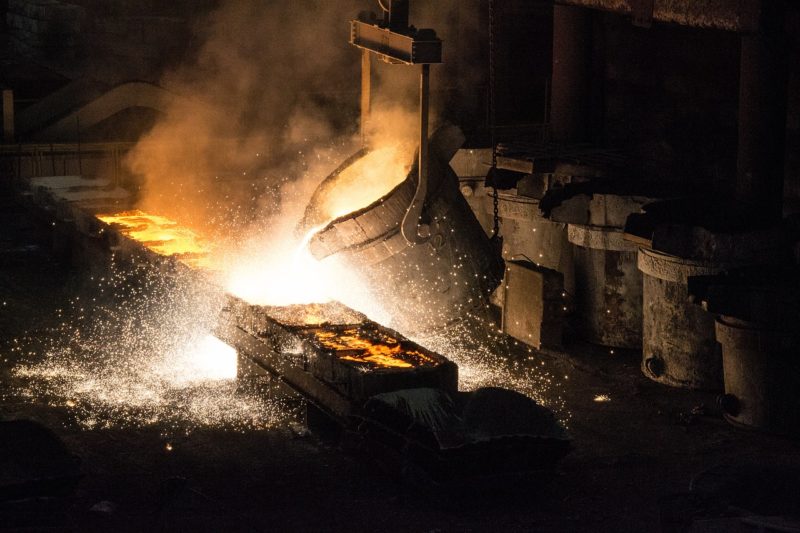
Alloy steel is steel that has been deliberately alloyed with other elements to create a new type of material with different mechanical properties. Some of the most common elements that are combined with steel via alloying are aluminum, copper, boron, nickel, silicon, sulfur, titanium, chromium, molybdenum, manganese, vanadium, and tungsten.
Bismuth and lead improve the machinability of steel, boron makes it even harder, and copper helps with corrosion resistance, chromium improves hardness and corrosion resistance, molybdenum increases high-temperature strength, manganese improves toughness and hardenability, vanadium enhances wear resistance, and tungsten improves cutting performance in high-speed applications.
Nickel is one of the rare elements that has a double effect. It can improve the toughness of steel if its concentration in the alloy is between 1.5 and 5 percent. If its concentration is between 8 and 20 percent, it can improve the corrosion resistance greatly. Thanks to its diversity and strength, nickel alloy products are used in aerospace, marine, transportation, defense, and architectural applications.
Of course, steel is itself an alloy of iron and carbon. It is one of the strongest materials that we have as well as one of the cheapest to create. Alloy steel and high speed steel are among the most widely used type of tool steel. However, other materials like carbide and powder metallurgy steels are also increasingly used in cutting applications.
Types of Alloy Steel
Alloy steel is divided into two types: low alloy steel and high alloy steel. While definitions can vary, low alloy steel typically contains less than 5% alloying elements, while high alloy steel includes more than 5% alloying elements. Stainless steel is considered a high alloy steel because of its high chromium content. But in general, when speaking about alloy steel we refer to low alloy steel. Some of the most common types of alloy steel are 300M and 4340.
When we talk about alloy steel applications we can divide alloy steel into four distinct types:
1. Magnetic Alloys
These alloys contain at least one of three elements with magnetic properties, most likely iron, nickel, and cobalt. Magnetic alloys are commonly used in motors, generators, transformers, and other electrical equipment because of their magnetic performance.
2. Tool and Die Steel
These alloys are characterized by a combination of abrasion resistance and air-hardening characteristics. Common examples of tool and die steels include D2, H13, and A2 steels, which are widely used for cutting, stamping, and molding tools.
3. Stainless and Heat Resistant Steel
Stainless steel includes elements that hinder corrosion in its composition, while heat resistant steel is steel alloyed to maintain strength and resist oxidation at very high temperatures. Chromium and nickel are among the most important elements used in these steels.
4. Structural Steel
This is probably the most known and widespread application of alloy steel. It is usually used in large buildings for structural stability. Modern seismic design codes often incorporate structural steel to ensure safety during powerful earthquakes, using grades such as ASTM A992. Structural alloy steels are also commonly used in bridges, offshore structures, wind turbines, and skyscrapers.
Popular Steel Alloys and Their Applications
4140 Alloy Steel
One of the most versatile types of steel is 4140 alloy steel. There are a wide variety of industries that use this alloy steel. 4140 steel is a chromium-molybdenum alloy steel. Chromium gives the steel much greater hardness penetration, while molybdenum increases its strength and hardness. These properties make this alloy a great material for manufacturing shafts, nuts, bolts, all kinds of machinery parts, gears, slides, steel collets, drill collars, automotive drivetrain components, oil and gas equipment, heavy machinery parts, and other parts.
4130 Alloy Steel
Another popular and widely available type of alloy steel is 4130 steel, often referred to as chromoly steel. Like 4140 steel, it is also an alloy of steel, chromium and molybdenum, albeit with different concentrations of these elements. The carbon content in this alloy is around 0.30 percent. Its small concentration of carbon makes this material a very good choice for welding applications.
One of the most common applications for this type of steel is for structural purposes, including aircraft engine mounts and tubing applications. It is also widely used in bicycle frames, roll cages, and aerospace tubing. It can be easily machined, but is most easily treated when in a normalized and tempered condition. If you are looking for an alloy steel that is easy to weld and easy to cold work, 4130 steel is one of the best options.
Modern Developments in Alloy Steel
Modern industries increasingly rely on advanced high-strength steels (AHSS), which are engineered to provide high strength while reducing overall weight. These steels are widely used in electric vehicles, automotive safety systems, and fuel-efficient transportation because they help improve crash protection without adding excessive weight.
Conclusion
Understanding the different types of alloy steel helps you choose the right material for your specific needs, whether it is for strength, corrosion resistance, or weldability. With so many applications, alloy steel remains a key component in modern industry and engineering.
Would you like to receive similar articles by email?

Matthew Lesniak
Matthew Lesniak is a Mechanical Engineering graduate working within the exciting field of remotely piloted aircraft systems (RPAS), better known as drones. His day-to-day work focuses on supporting drone manufacturers, facilitating certification processes, as well as advancing research and development projects. Matthew’s hobbies include travelling with his wife, playing board games, reading and staying active.


You May Also Like

7 Types of Neglected Infrastructure That Can Cause Disaster

The Importance of Road Construction in Society