Training Spaces That Keep Young Athletes Engaged
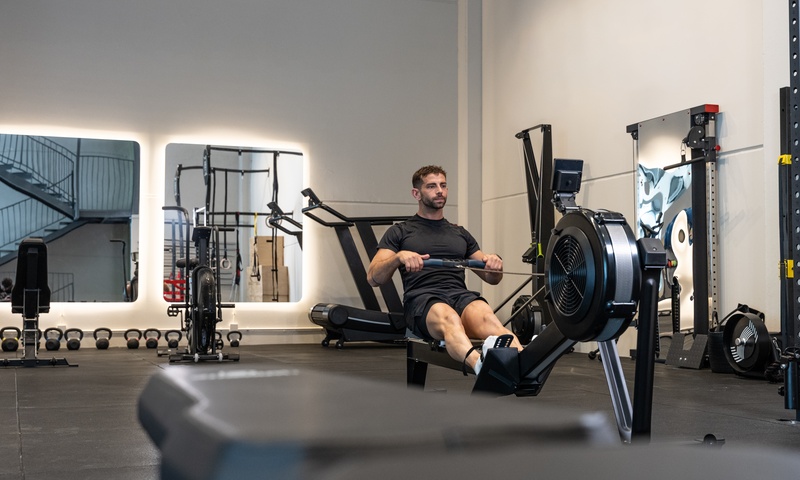
Young athletes train with more intent when the room tells them where to move and what to work on. Training spaces that keep young athletes engaged should be built around real practice zones, not vague motivation or decoration. A smart layout makes the facility part of the coaching plan, because each area has a clear role.
Indoor Turf for Movement Work
Indoor turf creates a defined place for footwork and change-of-direction drills. The surface gives athletes enough room to repeat movement patterns without drifting into another station. Coaches should limit the use of cones and markers so athletes can read the drill quickly and focus on body position. When the turf area stays organized, young athletes spend more time moving with control.
Skill Stations for Repetition
Skill stations help athletes stay locked into one task before rotating to the next. A basketball player might work on release mechanics at one hoop, while a soccer player uses a marked lane for first-touch control. The value comes from repetition that has a visible target and a consistent setup. In that sense, controlled training environments improve muscle memory by keeping movement patterns sufficiently consistent for athletes to correct small errors.
Strength Areas With Clear Boundaries
A youth strength area should be serious without copying an adult weight room. Racks, bands, and open floor space need clear boundaries, so athletes understand where lifting ends and movement work begins. Younger athletes stay safer when the setup leaves enough room for the coaching position and proper spotting. The space should make it easier to monitor quality reps.
Recovery Corners That Reset Attention
A recovery corner gives athletes a place to slow down between demanding blocks of training. Mats and hydration space work best when they are set apart from the main drill area. However, the area should still look like part of practice, not a lounge where attention disappears. Short resets help athletes return to the next station ready to work.
Video or Feedback Zones
A small feedback zone connects athletes with what they did and what needs to change. A marked review area keeps coaching points from interrupting the entire floor. When athletes see one rep and then return to the station, the correction stays immediate. That rhythm ensures instruction is tied to action.
Conclusion
A strong facility draws young athletes into the work in front of them without needing constant redirection. Training spaces that keep young athletes engaged should make the next rep clear and worth doing well. When the space supports that kind of focus, practice carries more weight from the first station to the final whistle.
Would you like to receive similar articles by email?

Danuta Smoluk
Danuta Smoluk is a teacher with over three decades of experience teaching both children and adults. She specializes in teaching the Polish language to English-speakers. She has a master's degree in primary and early childhood education from WSP Słupsk (currently Pomeranian University in Słupsk) and had her degree validated by University of Toronto. Aside from education, she also has an interest in real estate and home improvement. She has planned and supervised many house renovations. She loves interior design, cooking, and gardening.


You May Also Like

Essential Boat Upgrades for Better On-Water Control

Esthetician Recommendations Based on Client Face Shape