5 Things That Can Affect Wear and Tear on Your Car’s Clutch
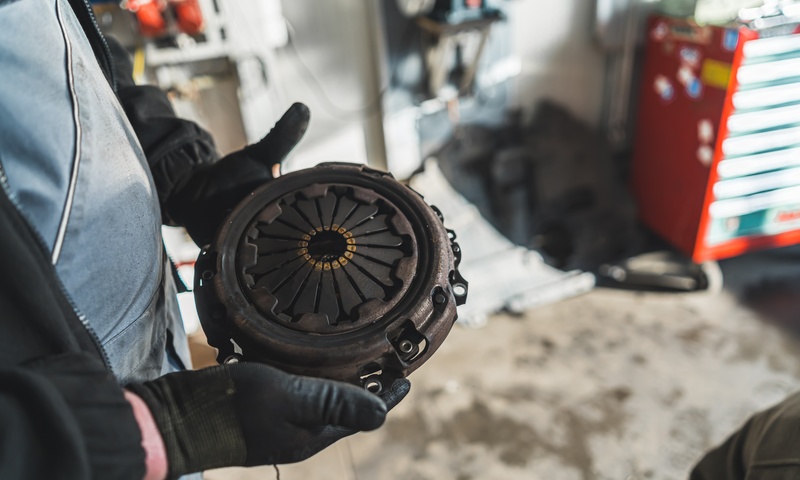
A clutch lives a simple life on paper: it connects engine power to the transmission, then politely steps aside so gears can change without drama. In real life, it works a high-friction job in a high-heat neighborhood. That’s why clutch wear and tear frequently comes down to everyday conditions more than one single “oops” moment. Below, we’ll explain some common things that can affect wear and tear on your car’s clutch, from traffic to towing and more.
1. Stop-and-go traffic and hill-heavy routes
City driving turns the clutch into a frequent flyer. Every crawl forward, every inching at a light, and every stop on an incline increases engagement cycles. A clutch creates the most heat during the engagement phase, not when it fully locks in, so repeated low-speed engagement stacks thermal stress over time.
2. Pedal habits that keep the clutch “half in, half out”
Clutches don’t love ambiguity. Resting a foot on the pedal, feathering the clutch to smooth slow-speed driving, or holding the car on a hill with the clutch instead of the brake all encourage partial engagement. Partial engagement means controlled slip, and slip means heat. Enough heat can glaze friction material and reduce grip, which can turn into more slip—a feedback loop nobody wants.
3. Heavy loads, towing, and “my car can totally handle it”
Extra weight asks the clutch to transmit more torque during takeoff and low-speed pulling. That heavier load increases the work the clutch must do during engagement, especially when starting from a stop or climbing grades with a trailer. Even when everything feels “fine,” the clutch can run hotter and wear faster under repeated heavy-load starts.
4. Aggressive launches and abrupt shifting
Another thing that can affect wear and tear on your car’s clutch is how you launch and how you shift. Fast starts and harsh engagement (the classic “dump the clutch” move) spike forces through the driveline. Even when a driver avoids wheelspin, abrupt engagement can stress friction material, springs, and other components.
On the flip side, shifting too slowly can also extend the slip phase. Different style, same underlying villain: excess heat and stress during engagement.
5. Gear ratios, drivetrain changes, and how torque gets multiplied
Gear ratios influence clutch load wear because they shape the multiplication of the torque through the drivetrain, which changes how much load the clutch manages at different speeds and gears. Changes like different final drive ratios, tire sizes, or power increases can shift the clutch’s workload in ways drivers don’t always notice until they notice, usually in the form of slipping under load.
The takeaway
Most clutch damage traces back to one theme: heat created during engagement. Routes, loads, habits, and gearing all influence how frequently and how intensely that heat shows up. If you understand what increases engagement work, you’ll better understand why clutch wear and tear can vary so wildly between two identical cars. Keep these factors in mind, and you can help your vehicle’s clutch perform better for longer.
Would you like to receive similar articles by email?

Paul Tomaszewski
Paul Tomaszewski is a science & tech writer as well as a programmer and entrepreneur. He is the founder and editor-in-chief of CosmoBC. He has a degree in computer science from John Abbott College, a bachelor's degree in technology from the Memorial University of Newfoundland, and completed some business and economics classes at Concordia University in Montreal. While in college he was the vice-president of the Astronomy Club. In his spare time he is an amateur astronomer and enjoys reading or watching science-fiction. You can follow him on LinkedIn and Twitter.


You May Also Like
How Often You Should Get Your Car Washed in the Summer
Top Tips To Help Take Better Care Of Your 4X4 Truck