4 Surprising Uses of Metal in Our Everyday Lives
When we think of metal, images of towering skyscrapers, heavy machinery, or shiny coins often come to mind. However, metallic elements play hidden roles in items we touch, consume, or use daily. Metal materials are essential to modern existence, often in ways we never notice. Here are four surprising uses of metal in our everyday lives.
Antimicrobial Surfaces
Copper and silver possess natural properties that destroy bacteria and viruses on contact. Hospitals and public transit systems frequently utilize copper alloys for doorknobs, bedrails, and handholds. The ions in the metal disrupt bacterial cell walls, effectively neutralizing harmful pathogens without chemical cleaners. Similarly, silver threads often appear in athletic clothing and bandages to prevent odors and infection by inhibiting bacterial growth.
Sunscreen and Cosmetics
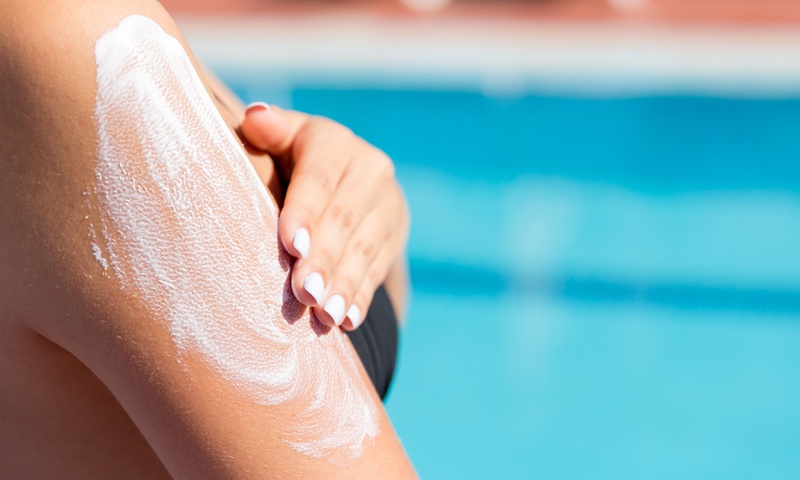
You likely apply metal to your face before heading outdoors. Mineral sunscreens include zinc oxide and titanium dioxide. These metallic compounds create a physical barrier on the skin that reflects harmful UV rays away from the body. Unlike chemical sunscreens that absorb UV light, these minerals sit on top of the skin to provide immediate protection. Manufacturers also use iron oxides to create pigments in foundations and blushes.
Smart Electronics
Your smartphone contains a treasure trove of precious metals. Manufacturers value gold for its resistance to corrosion and excellent electrical conductivity. It ensures reliable connections within the tiny microchips and circuit boards that power mobile devices. While a single phone contains only a small amount, the reliability of gold makes it indispensable for high-speed data transmission in our digital world.
Food Preservation
The thin layer of aluminum in food packaging provides a barrier against light, oxygen, and moisture. This protection keeps perishable goods fresh for months or even years without refrigeration. Aluminum reacts with oxygen to form a protective oxide layer, preventing corrosion and ensuring the food remains safe to eat. Furthermore, aluminum is infinitely recyclable, making it a sustainable choice for food storage.
Raw metal rarely enters the consumer market without treatment. Manufacturers must ensure products withstand harsh environments, resist rust, and maintain a pleasing aesthetic. Companies must partner with a metal finishing company to access specialized expertise to select the perfect coating for durability and compliance. Professional finishing ensures the metal performs correctly over its lifespan, whether it is a medical device or an aerospace component.
We use metal in our everyday lives in surprising ways, from the screens we watch to the food we eat. Next time you pick up your phone or apply sunscreen, remember the essential elements making it possible.
Would you like to receive similar articles by email?

Paul Tomaszewski
Paul Tomaszewski is a science & tech writer as well as a programmer and entrepreneur. He is the founder and editor-in-chief of CosmoBC. He has a degree in computer science from John Abbott College, a bachelor's degree in technology from the Memorial University of Newfoundland, and completed some business and economics classes at Concordia University in Montreal. While in college he was the vice-president of the Astronomy Club. In his spare time he is an amateur astronomer and enjoys reading or watching science-fiction. You can follow him on LinkedIn and Twitter.


You May Also Like

5 Types of Excavator Attachments Used in the Construction Industry

Everything About Wireline Engineering