Stargazing Calendar for May 2026
Get ready for an exciting month under the night sky, as stargazing this May 2026 brings a mix of subtle alignments and eye-catching celestial events. From fleeting streaks of light to intriguing planetary pairings, there’s plenty waiting to be discovered. Whether you’re planning a quick look or a dedicated observing session, this guide will help you navigate some of the most interesting highlights in astronomy without giving away all the surprises.
Would you like to be notified of stargazing events?
List of Meteor Showers in May 2026
- Antihelion Source: Start on December 10; multiple peaks; end September 10.
- η-Aquariids: Start on April 19; peak on May 5; end on May 28.
- η-Lyrids: Start on May 3; peak on May 8; end on May 14.
- τ-Herculids: Start on May 25; peak on May 31; end on June 4.
- Daytime Arietids: Start on May 14; peak on June 7; end on June 24.
We also have a complete list of meteor showers for the entire year of 2026 here.
List of Planetary Conjunctions in May 2026
- Conjunction of Mercury and Eris in Pisces and Cetus on May 2.
- Conjunction of the Moon and Saturn in Pisces and Cetus on May 13.
- Conjunction of the Moon and Mars in Pisces on May 15.
- Conjunction of the Moon and Venus in Taurus on May 19.
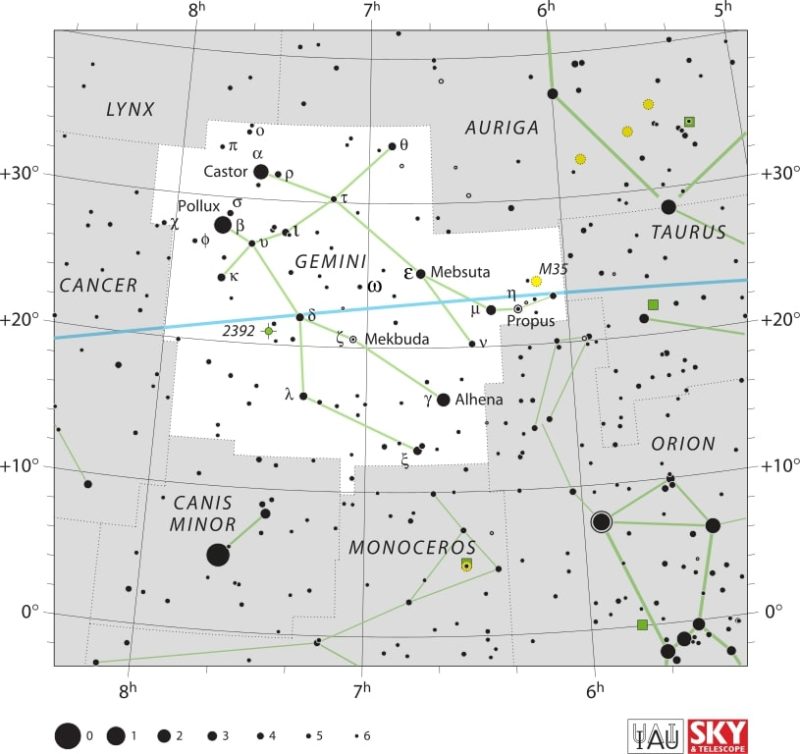
- Conjunction of the Moon and Jupiter in Gemini on May 20.
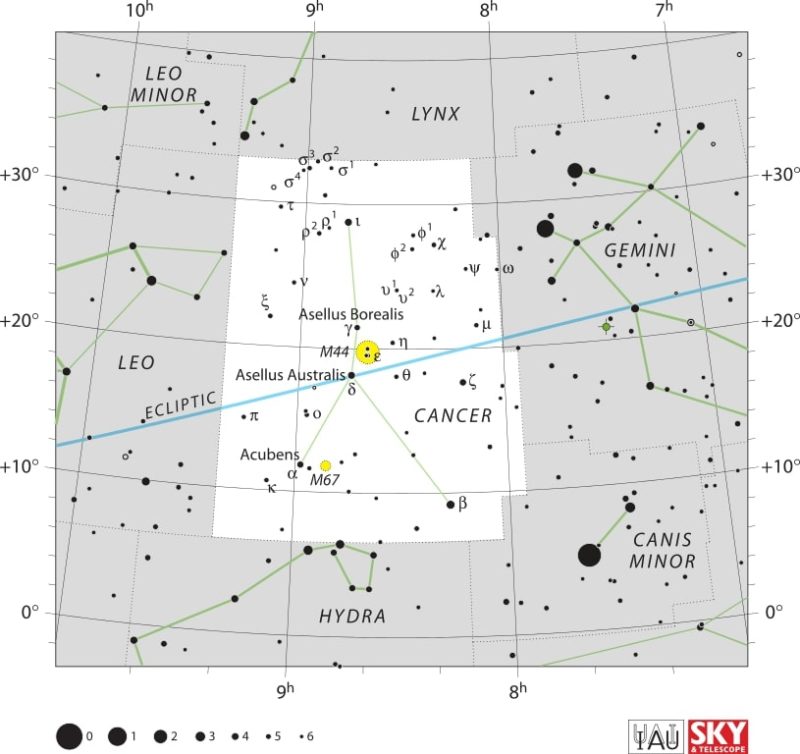
- Close approach of the Moon and Beehive Cluster in Cancer on May 21.
Moon Phases in May 2026
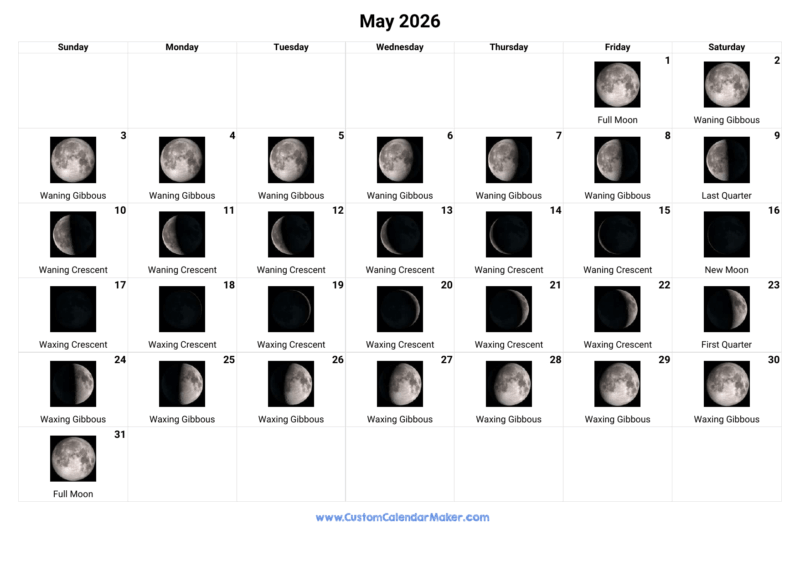
As you know, the Moon has a big impact on the visibility of celestial bodies and astronomical events in the night sky. So to help you with stargazing, here’s a calendar of the phases of Moon for this month of May 2026:
May 2: Conjunction of Mercury and Eris
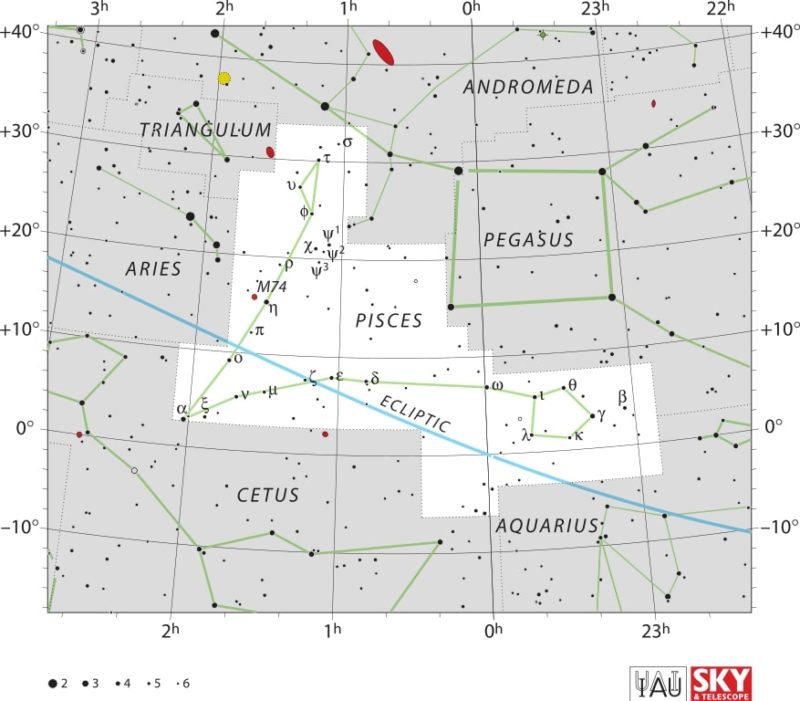
Mercury and dwarf planet Eris (minor planet designation 136199 Eris) will reach conjunction passing within 9°14′ of each other while sharing the same right ascension. The Moon will be 15 days old waning gibbous at 98%.
Mercury will be at apparent magnitude -0.9 in the constellation of Pisces and Eris at magnitude 18.6 in the in the neighboring constellation of Cetus.
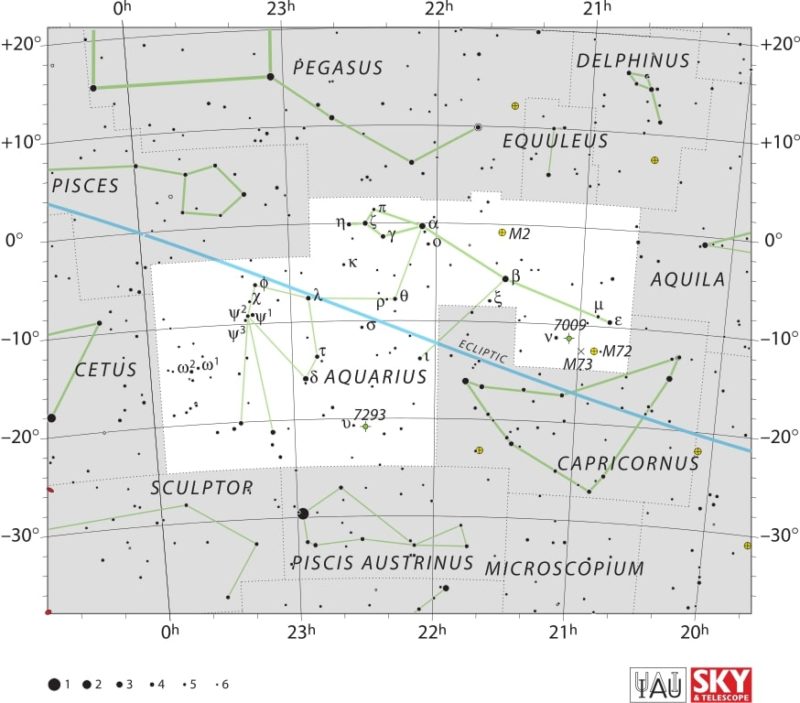
May 5: η-Aquariid meteor shower peak
The Eta Aquariids are a medium-sized meteor shower with an average of 40 meteors per hour (ZHR) during the peak if conditions are ideal. The Moon will be 18 days old waning gibbous at 81%.
Some meteors may also be spotted between April 19 and May 28, enriching your stargazing this spring of 2026. They will radiate from the constellation of Aquarius, near the star Eta Aquarii, at the fast speed of 66 km/s on average. The meteors from this shower originate from Halley’s Comet.
May 8: η-Lyrid meteor shower peak
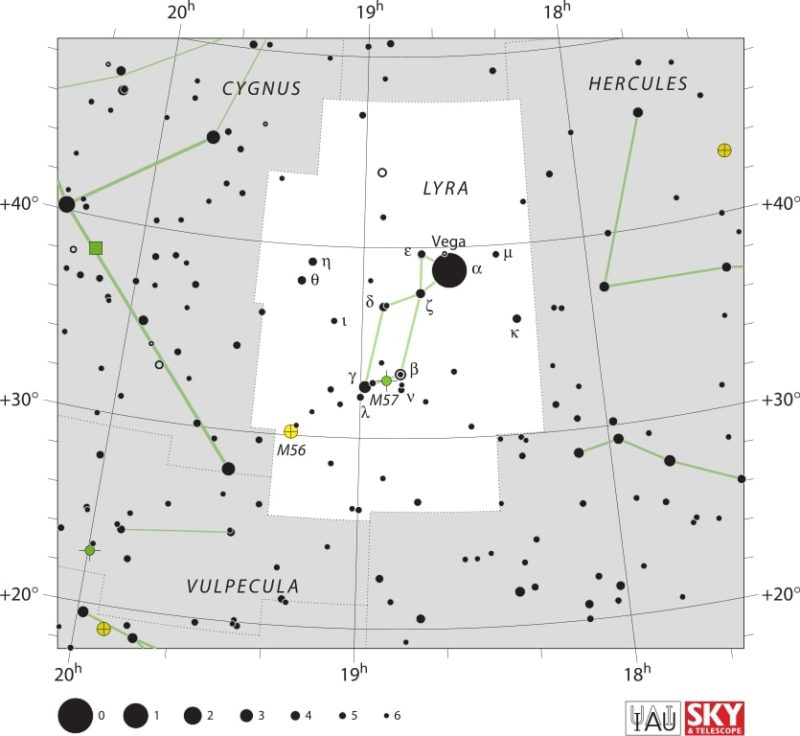
The Eta Lyrids will peak this May 2026 with a zenithal hourly rate (ZHR) of 3 meteors if stargazing conditions are optimal. The Moon will be 21 days old waning gibbous at 53%, so it will interfere with stargazing this middle of May 2026.
Some meteors may also be spotted between May 3 and May 14. They will radiate from the constellation of Lyra, at the speed of 43 km/s on average. They originate from debris left by comet C/1983 H1 (IRAS-Araki-Alcock).
May 13: Conjunction of the Moon and Saturn
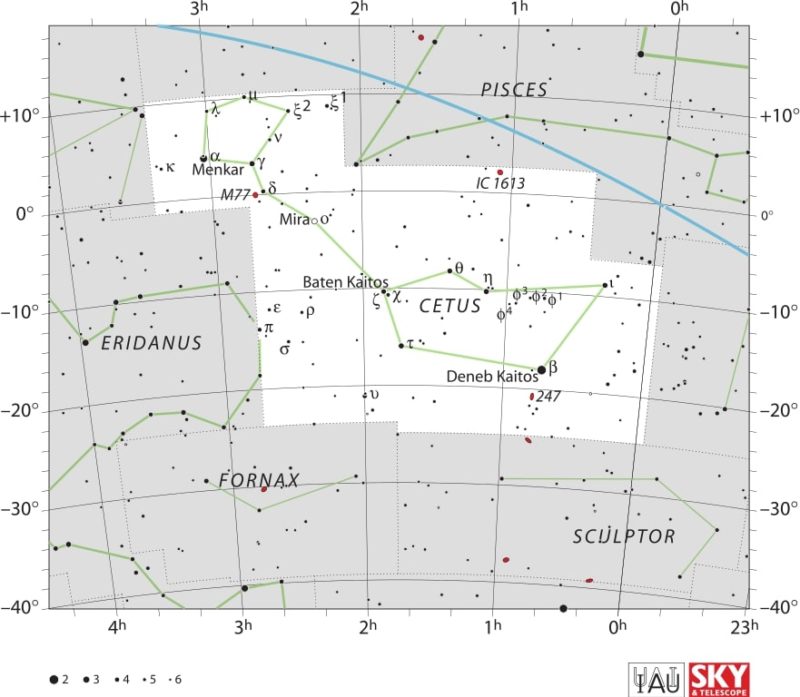
The Moon and Saturn will reach conjunction passing within 5°41′ of each other while sharing the same right ascension.
Around the same time, the two bodies will also make a close approach (appulse) reaching 5°03′, but no longer sharing the same right ascension.
The Moon will be an 26 days old waning crescent at 8%. Despite this, the Moon will be at apparent magnitude -10.4 in the constellation of Pisces and Saturn at magnitude 0.7 in the neighbouring constellation of Cetus.
May 15: Conjunction of the Moon and Mars
The Moon and Mars will be at conjunction by sharing the same right ascension and passing within 5°09′ of each other.
Look for the two bodies in the constellation of Pisces. The Moon will be at apparent magnitude of -9.5, while Mars will be at magnitude 1.2. (Constellation map already displayed above, when discussing the conjunction of Mercury and Eris on May 2.) The Moon will be an 28 days old waning crescent at 2%.
May 19: Conjunction of the Moon and Venus
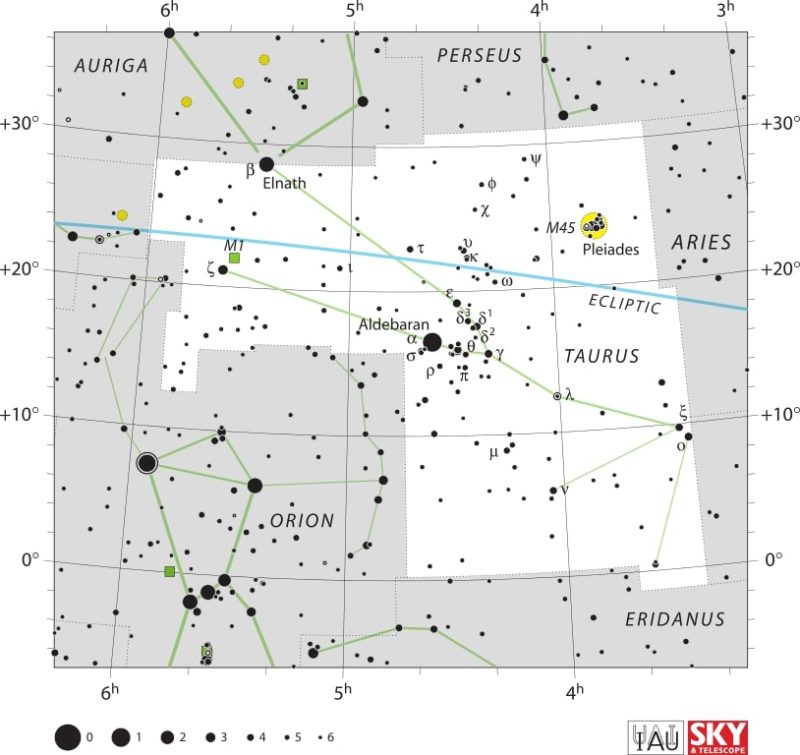
The Moon and Venus will be at conjunction by sharing the same right ascension and passing within 2°56′ of each other.
The Moon will be a 2 day old, very thin waxing crescent at 10%. Despite this, the Moon will still be at apparent magnitude of -10.0, while Venus will be at magnitude -4.0 both in the constellation of Taurus.
May 20: Conjunction of the Moon and Jupiter
The Moon and Jupiter will be at conjunction by sharing the same right ascension and passing within 3°05′ of each other.
At around the same time the two bodies will also make a close approach (appulse) reaching 3°00′ from each other, but not sharing the same right ascension.
The two celestial bodies will meet in the constellation of Gemini with the Moon at apparent magnitude of -11.0 and Jupiter at -1.9. The Moon will be 4 days old or waxing crescent at 23%.
May 21: Close approach of the Moon and Beehive Cluster
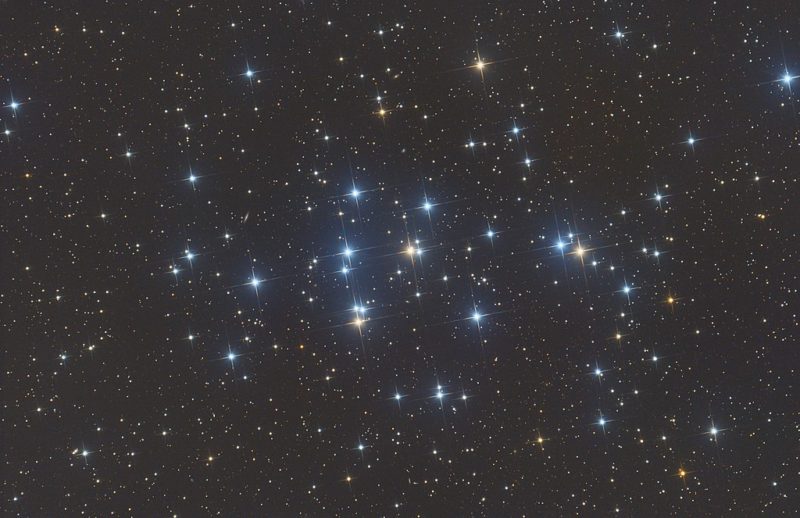
The Moon and the Beehive Cluster (also known as M44 or Messier 44) will make a close approach, passing within 1°00′ of each other. (See featured image at the top of the article.)
Both objects will be in the constellation of Cancer with the Moon being at apparent magnitude -11.4; and the Beehive Cluster at 3.1. The Moon will be 5 days old or waxing crescent at 35%.
May 29: Asteroid 29 Amphitrite at opposition
Asteroid 29 Amphitrite will reach opposition, when it lies opposite to the Sun in the sky, reaching the highest point in the sky around midnight local time, regardless of where in the world you are located.
It is an S-type asteroid, with a mean diameter of just over 200 km, which would make it the fifth largest asteroid in the belt.
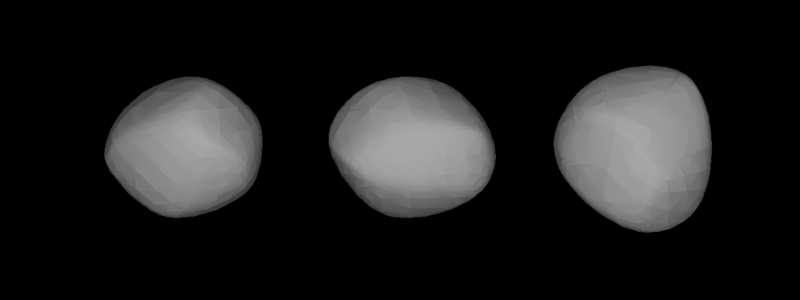
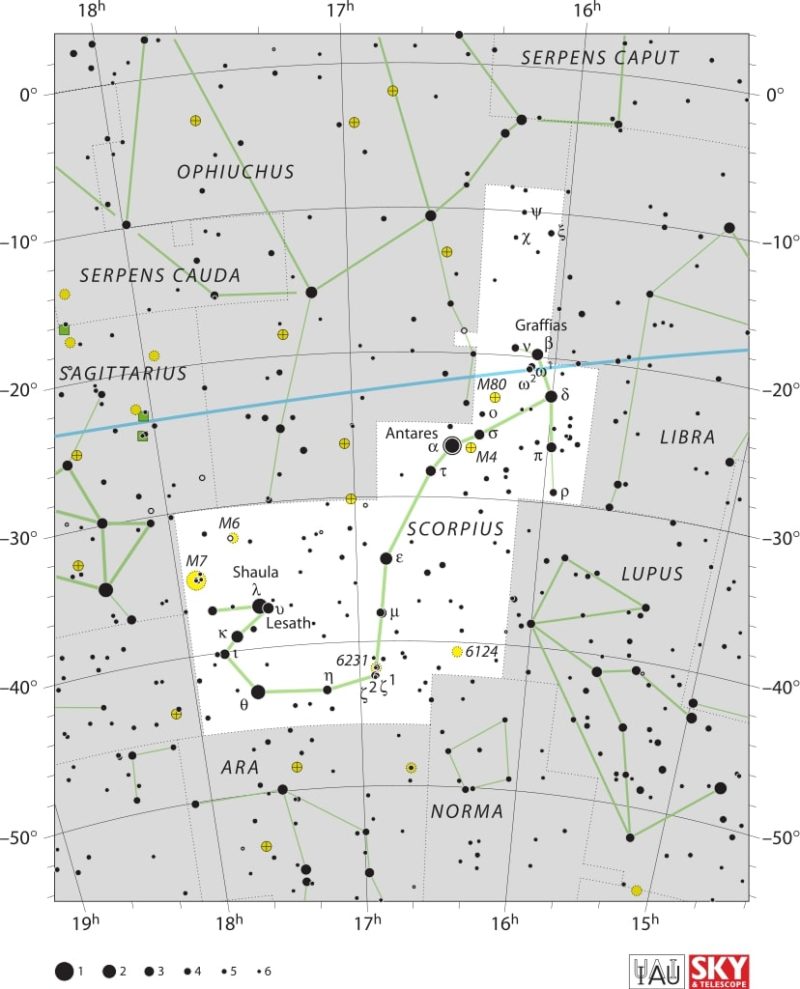
This asteroid will come within 1.733 AU of us, reaching a peak brightness of magnitude 9.7. Unfortunately it’s much too dim to be visible to the naked eye, so a telescope of moderate aperture will be needed. Point it at the constellation of Scorpius. Unfortunately, the bright Moon will interfere with stargazing this late May 2026, as it will be 12 days old or waxing gibbous at 96%.
May 31: τ-Herculid meteor shower peak
The Tau Herculids are a variable rate meteor shower that will peak on May 31. Some meteors may also be spotted between May 25 and June 4.
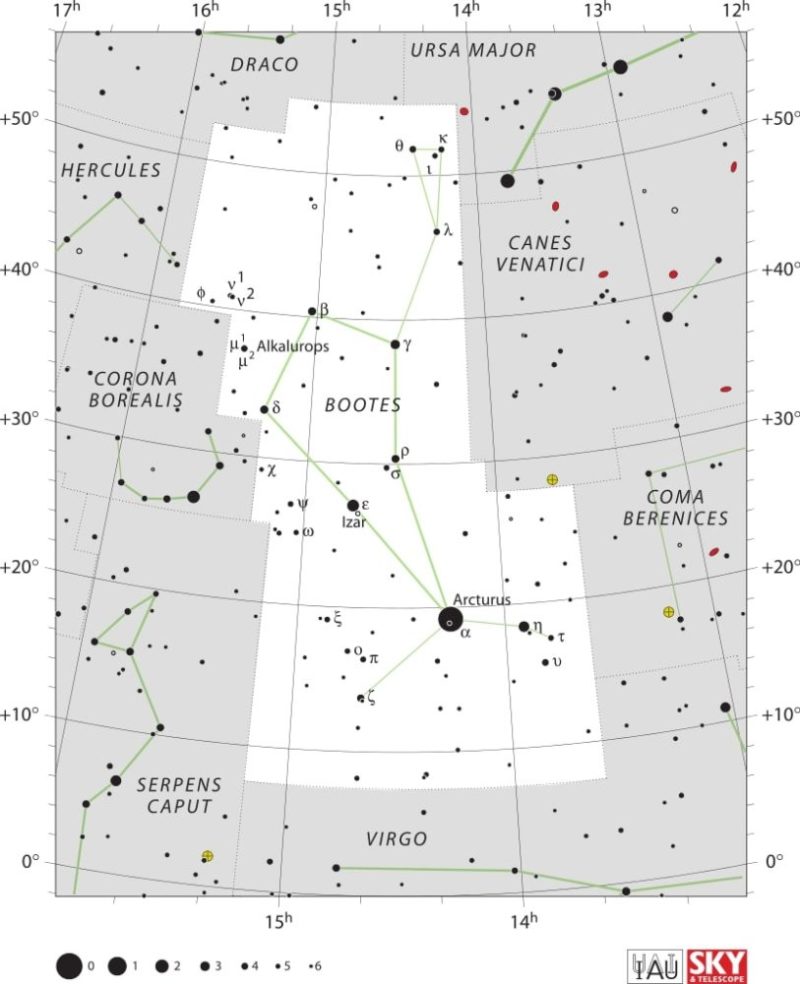
When originally discovered in 1930, the meteors were radiating from the constellation of Hercules, near the star Tau Herculis. That has since changed. First the parent body of this meteor shower, comet 73P/Schwassmann–Wachmann, broke up into 69 known larger fragments in 1995. Then the meteor streams experienced orbital perturbations by Jupiter. Due to all this, the radiant point of this meteor shower has moved to near the star Arcturus in the constellation Boötes.
The meteors will move at the slow speed of 16 km/s on average. The Moon will be in its full moon phase.
Positions of the Planets in May 2026
- Mercury: The closest planet to the Sun can be seen at dawn and dusk travelling across the constellation of Pisces. This planet, being the closest to the Sun, will appear to move quickly in the night sky and its position will change in the following weeks.
- Venus: The sister planet can be seen travelling across the constellation of Taurus. Just like Mercury, Venus can only be seen at dawn and dusk.
- Mars: The red planet can be seen in the constellation of Pisces.
- Jupiter: The gas giant is visible in the constellation of Gemini. Jupiter can easily be spotted with the naked eye, even in highly illuminated cities.
- Saturn: The ringed giant can be seen with the naked eye in the constellation Cetus.
- Uranus: The ice giant can be seen in the constellation of Taurus with the use of a telescope.
- Neptune: The blue giant requires a telescope pointed in the constellation of Pisces in order to be seen.
Positions of Dwarf Planets and Large Asteroids in May 2026
- Ceres: The asteroid belt’s lone dwarf planet can be seen in the constellation of Aries with the help of a telescope.
- Vesta: This large asteroid can be seen in the constellation of Aquarius with a telescope.
- Pallas: The asteroid can be observed with a telescope in the constellation of Pisces.
- Hygiea: The fourth largest asteroid can be found with a telescope in the constellation of Gemini.
- Pluto: This distant dwarf planet can be found in the constellation of Capricornus with the help of a large telescope.
Major astronomical events next month – June 2026
- June 7: Daytime Arietid meteor shower peak
- June 15: Asteroid 14 Irene at opposition
- June 21: June solstice
- June 27: June Bootid meteor shower peak
Conclusion
May offers a rich lineup of celestial events, from meteor showers to planetary conjunctions, making it an exciting month for skywatchers. Whether you’re catching the fast Eta Aquariids or observing close encounters between the Moon and bright planets, there’s plenty to enjoy throughout the month. Despite some interference from the Moon at times, stargazing this May 2026 still provides rewarding opportunities for both beginners and seasoned observers. Keep looking up and make the most of this dynamic period in astronomy.
To ensure you don’t miss out on any celestial happenings, sign up for our newsletter to receive stargazing calendars and more updates. Keep your telescopes ready and clear your calendar for these cosmic highlights!
Sources:
- Planetary ephemerides produced by NASA’s Jet Propulsion Laboratory (JPL)
- International Meteor Organization
See also:
- Previous month’s calendar: Stargazing Calendar for April 2026
- Next month’s calendar: Stargazing Calendar for June 2026
Would you like to receive similar articles by email?

Paul Tomaszewski
Paul Tomaszewski is a science & tech writer as well as a programmer and entrepreneur. He is the founder and editor-in-chief of CosmoBC. He has a degree in computer science from John Abbott College, a bachelor's degree in technology from the Memorial University of Newfoundland, and completed some business and economics classes at Concordia University in Montreal. While in college he was the vice-president of the Astronomy Club. In his spare time he is an amateur astronomer and enjoys reading or watching science-fiction. You can follow him on LinkedIn and Twitter.


You May Also Like

The Sustainable Science of Longevity: How Medicine Aligns with a Greener Future
What Is the Extragalactic Background Light and Why Does It Matter?