Exciting Future Uses of Textiles in Space
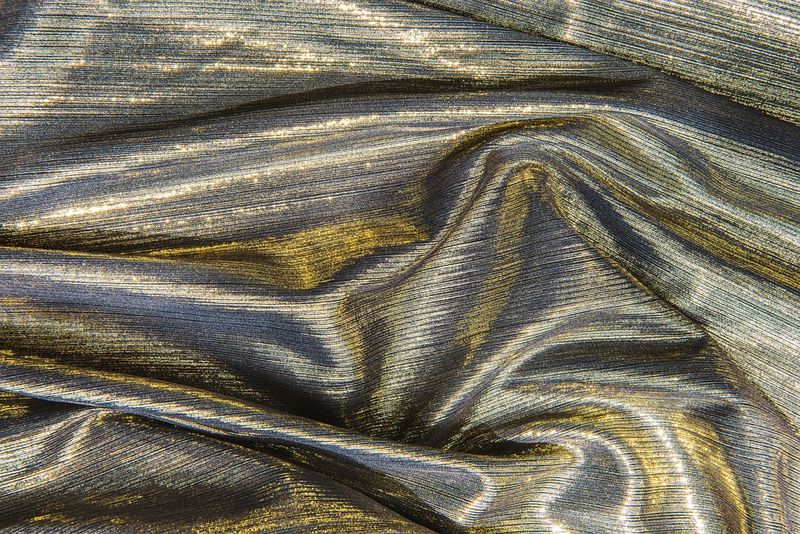
When we think about space-age technology and exploring the cosmos, we usually think of metals, foils and ceramics. But what about textiles in space?
As many NASA engineers can tell you, textiles have always been an unsung hero in the world of material science. But if the future of space exploration pans out the way engineers expect, humanity’s status as a spacefaring species will see the inclusion of—and even come to depend on—increasingly advanced fabrics, textiles and membranes. In fact, these materials are already beginning to see real-world use in space. Here’s a preview.
Rovers, Capsules and Other Vehicles
When it comes to building something, you can generally choose materials that provide low weight or durability—usually not both. In the aerospace industries, shaving off precious ounces and pounds is sometimes necessary. However, it may come at the expense of ruggedness or resistance to the elements.
Fabrics and textiles have stepped into this impossible dilemma and thrown open the doors of innovation when it comes to building manned capsules and unmanned rovers. These innovations also apply to launch and re-entry vehicles. Additionally, they benefit any other machines that must be subjected to some of the most impossibly harsh environments you’ll find anywhere.
Woven metal fabrics are already showing potential, according to NASA, in providing durable shells that are incredibly flexible—to the point where they can deform themselves mid-task to serve other functions. NASA is actively exploring how such fabrics could one day be used in the construction of space antennae and astronaut spacesuits. Moreover, these textiles may offer both the rigidity and dexterity—imagine astronauts’ gloves here—required to perform finer tasks aboard spacecraft.
Flexible metal textiles could even shield spacecraft against micrometeoroids and other impacts. In rovers and other planetside craft, the ability of metal fabrics to deform and reform on demand could add additional sure-footedness on difficult alien terrain.
We’ll talk a bit more about the materials involved in fabricating textiles like these. For now, this is an abridged list of the qualities that fabrics and textiles can bring to spacecraft and ground vehicles:
- Dampen vibrations
- Reduce weight without sacrificing strength or rigidity
- “Smart” textiles can transfer heat, light and even data
- Carbon fiber composites and high-performance fibers are already used in modern launch systems. For example, Ariane 6, launched in July 2024, features large P120C solid rocket boosters, among the most powerful of their kind in operation today.
Clothing and Space Suits
Many of the desirable qualities that textiles bring to the world of vehicle design can be applied to space suits and the layers of clothing beneath, which are—one can imagine—every bit as important. In prolonged exposure to difficult conditions of any kind, not having breathable, comfortable and rip-resistant clothing can mean distraction from the mission—or worse.
Several promising new fabric types feature potential aerospace-ready capabilities, including:
- Dirt- and dust-repellency
- Antimicrobial
- Nonflammable
- Lowest possible toxicity
- Must help regulate sweat production and prevent overheating
Whether for use within spacecraft or worn during extra-vehicular activities, clothing for outer space has higher than average standards. NASA recognizes flammability alone as a key reason to limit the use of many common materials in critical outer layers. For this reason, they often favor fabrics woven with Teflon, fiberglass and other non-flammable but incredibly versatile materials such as Kevlar, Nomex and ceramic-based textiles like Nextel.
Even more radical ideas have been proposed, too. Statex Productions recently showed off its Shieldex-branded textile-ready sensors that can be incorporated into gloves to measure pressure and force. Statex is also pursuing biomedical applications by researching materials that can speed up injury recovery by directing the healing process via interwoven sensors.
Modern spacesuit development is already moving in this direction. Next-generation suits designed for lunar missions place a strong emphasis on improved mobility, durability and resistance to fine dust particles. Fine dust can damage both equipment and human health.
Researchers are also investigating radiation-shielding textiles, including hydrogen-rich and polyethylene-based fibers, which could help protect astronauts from long-term exposure to cosmic radiation during deep-space missions.
Living Spaces, Habitats and Other Facilities
A great deal of excitement still surrounds exploration of Mars, especially as NASA’s Perseverance rover continues to collect and cache samples for a future Mars Sample Return mission. While human footprints are still years away, preparations are accelerating. In the meantime, technologies must help the human body withstand a dizzying variety of environmental and atmospheric conditions. Before any long-term Mars colony can take shape, temporary habitats will need to do a great deal with limited resources. That’s where advanced textiles could play a critical role.
The woven metals, carbon fibers and fiberglass we’ve been discussing here offer the potential for interior living spaces, too. Storms and high winds are a possibility on the surface of any world. The fabrics of walls and adjoining corridors must offer modular flexibility, as well as the ability to shrug off high winds and potential puncture damage.
One of the most promising real-world applications of space textiles is already in use: inflatable or expandable habitats. These structures rely on multiple layers of high-strength fabrics such as Vectran and Kevlar to create lightweight but highly durable living spaces. They can be compact during launch and expanded once in orbit or on a planetary surface.
Expect geotextiles—fabrics which have long been a staple in terrestrial building projects to provide drainage, structure and protection—to get the space-age treatment, as well. While traditionally used on Earth, geotextiles and permeable membrane systems are now being studied for space-based applications. This includes habitat reinforcement and controlled-environment agriculture. In these scenarios, filtering air, water and light efficiently is essential.
Conclusion
Just getting to, much less conquering, the cosmos will require the human race to deploy its creativity and its knowledge of science in a more organized way than ever before. The confluence of space technologies and bold ideas on display in textiles today—one of the most ancient of ancient industries—is a sign that this bold future is finally within our reach.
Would you like to receive similar articles by email?

Megan Ray Nichols
Megan Ray Nichols is a freelance writer, amateur astronomer, and science enthusiast. She loves to travel and read books.


You May Also Like

Zombie Satellites: Risks, Impacts, and Mitigation Strategies
Panoramic Imaging for Space Telescopes: Explained