Small Handling Changes That Point to Tire Trouble
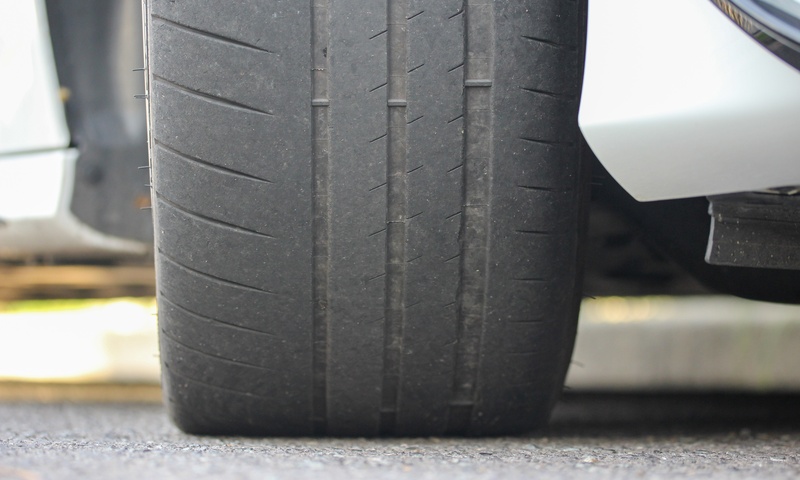
A vehicle can feel completely normal right up until it starts needing more correction in a turn or more caution in wet conditions. Subtle shifts are important because small handling changes that point to tire trouble show up before the tire looks obviously worn or damaged. Catching early changes in how your car drives can help prevent a commute from becoming a safety concern.
Steering That Starts Feeling Loose or Delayed
A healthy tire helps a vehicle respond cleanly when the wheel turns. Therefore, any growing delay in response can signal a problem worth addressing. Uneven wear and low air pressure soften steering feedback. As a result, the vehicle feels less planted on the road. In some cases, the issue shows up as a slight wandering sensation. This issue requires constant correction to stay centered in the lane.
Pulling to One Side During Normal Driving
When a vehicle begins drifting left or right on a level road, tire condition should be considered as a cause of concern. A pressure difference between sides can change how each tire meets the pavement. Conversely, irregular tread wear can create uneven traction. This condition affects straight-line stability. As part of routine maintenance, proper inflation and rotation schedules extend the lifespan of your tires and reduce the handling changes caused by uneven wear.
Vibration That Changes With Speed
Vibration is not always dramatic, which is why it can be dismissed for too long. A tire with a developing flat spot or balance problems creates shaking that becomes more noticeable as speed increases. When the vibration starts showing up through the steering wheel, the front tires are one of the first places to inspect closely.
Cornering That Feels Less Stable
A vehicle should feel controlled and predictable in ordinary turns, so excessive sway or reduced grip can indicate declining tire performance. Worn tread limits traction, and underinflated tires can allow too much sidewall flex during cornering. The vehicle may feel slower to settle after a turn. Also, it may feel less secure during lane changes.
Braking That Feels Uneven
Braking performance depends heavily on the tire’s contact with the road. If one or more tires have worn tread or uneven wear patterns, the vehicle may feel unsettled during stops, particularly in wet conditions or during harder braking. That change in feel may seem minor at first, yet it often signals a larger loss of control that should not be ignored.
Conclusion
Tires have a way of changing the mood of a drive before they change the look of the vehicle. In that sense, small handling changes that point to tire trouble can be the first crack in the routine. This happens when the car stops feeling settled and starts to feel uncertain. What seems easy to brush off in one trip can turn into a much bigger control issue the next time the road is slick or the stop is sudden. Therefore, paying attention early is what keeps a minor shift in feel from becoming a problem that forces the issue.
Would you like to receive similar articles by email?

Paul Tomaszewski
Paul Tomaszewski is a science & tech writer as well as a programmer and entrepreneur. He is the founder and editor-in-chief of CosmoBC. He has a degree in computer science from John Abbott College, a bachelor's degree in technology from the Memorial University of Newfoundland, and completed some business and economics classes at Concordia University in Montreal. While in college he was the vice-president of the Astronomy Club. In his spare time he is an amateur astronomer and enjoys reading or watching science-fiction. You can follow him on LinkedIn and Twitter.


You May Also Like
Why Evenly Distributing Weight in Your Vehicle Is Important

Mistakes to Avoid When Buying Car Parts Online