How Small Factory Errors Reach Everyday Products
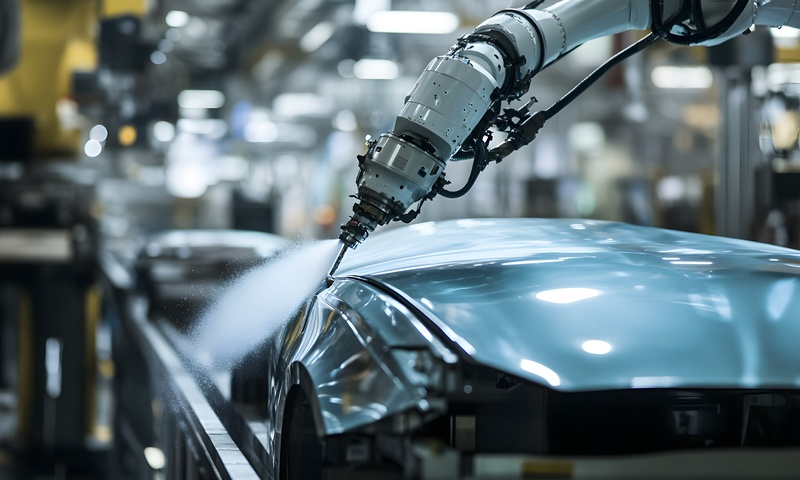
When you pick up a finished product, it’s easy to assume everything went smoothly behind the scenes. But if you look a little closer at how manufacturing actually works, you’ll see how small factory errors can reach everyday products. A small coating mistake or a slightly off assembly step might not seem like much at first, but once it gets repeated across a full production run, it becomes a much bigger issue than anyone expected.
Small Setup Errors Spread Quickly
If you’ve ever worked on something repetitive, you know how easy it is to carry a small mistake forward without noticing. The same thing happens on a factory floor. Once a machine gets set up the wrong way, every part that runs through it can pick up that same flaw. Workers don’t always catch it right away because everything still looks “normal” at a glance. Eventually, by the time someone spots the issue, a whole batch may already be affected.
Coating Problems Affect Part Function
Protective coatings are meant to help parts last longer, especially when they’re exposed to moisture or friction. But things get tricky when that coating ends up where it shouldn’t. You’ll often see issues tied to common e-coat masking failures. In these cases, masking doesn’t fully protect certain areas or allows unwanted coating to creep in. When that happens, the problem usually shows up later as loose fits. This may also cause frustrating assembly issues down the line.
Rushed Inspections Miss Repeat Defects
Inspections are supposed to be the safety net, but they only work when there’s enough time and attention behind them. If someone is rushing through checks, it’s surprisingly easy to miss subtle issues like a thin coating leak or a part that’s slightly out of shape.
That’s why many factories don’t rely only on final inspections anymore. Instead, they build checks into the process itself so problems get caught early. This way, there’s still time to fix them before more parts are affected.
Supplier Changes Create New Risks
Switching suppliers might look like a simple business decision, but it can quietly introduce new challenges. Even when materials meet the same specifications, they don’t always behave the same way once they’re in production.
You might not notice the difference right away, but under heat or pressure, small variations can show up in unexpected ways. That’s why it helps when teams test new materials on a small scale first instead of rolling them out across an entire order.
Packaging Might Hide Product Damage
Even when a product leaves the production line in perfect shape, things can still go wrong during packaging. If items are packed too tightly or don’t have enough support, they can shift or bend during transport. As a result, that kind of damage often gets mistaken for a manufacturing defect later on.
At the end of the day, small factory errors can reach everyday products when quality control slips across thousands of instances. When packaging is tested under real shipping conditions, it becomes much easier to protect the work that’s already been done and avoid confusion later.
Would you like to receive similar articles by email?

Paul Tomaszewski
Paul Tomaszewski is a science & tech writer as well as a programmer and entrepreneur. He is the founder and editor-in-chief of CosmoBC. He has a degree in computer science from John Abbott College, a bachelor's degree in technology from the Memorial University of Newfoundland, and completed some business and economics classes at Concordia University in Montreal. While in college he was the vice-president of the Astronomy Club. In his spare time he is an amateur astronomer and enjoys reading or watching science-fiction. You can follow him on LinkedIn and Twitter.


You May Also Like

A Guide to Hiring Professional Stand Builders for Trade Shows

The Benefits of Implementing RFI Software in Construction Projects