How Simulation Technology is Transforming EMS Driver Training
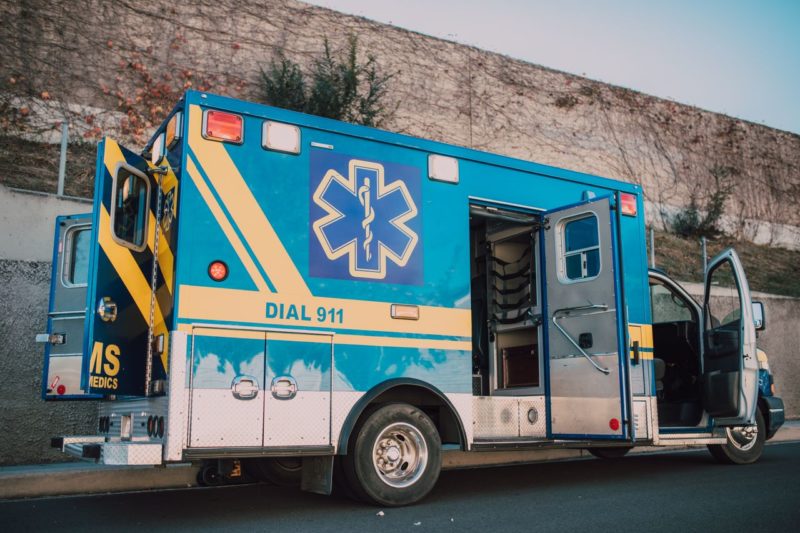
Emergency Medical Services (EMS) professionals are at the forefront of critical care. They often reach patients in high-pressure situations where every second is vital. Safe and efficient ambulance operations are crucial for both patient outcomes and public safety. This underscores the need for advanced, realistic EMS driver training. Historically, most EMS driving education has focused on classroom sessions and limited on-road experience. As a result, trainees are left underprepared for the complexities of true emergency response environments. Simulation-based training is rapidly addressing these limitations. Now it is recognized as one of the most impactful ways to prepare EMS drivers for duty.
Today, EMS organizations and educational programs are turning to innovative technology. Specifically, they are adopting the EMS driving simulator to provide trainees with hands-on, immersive scenarios that mirror real-life emergencies. Among the leaders in this field, Acron Aviation stands out for its advanced driver training solutions specifically tailored to the EMS sector. Through its comprehensive simulator programs, Acron Aviation empowers agencies across the United States to improve skill development, response times, and overall road safety. Additionally, as a nationwide expert in driver safety solutions, Acron Aviation is a trusted name for EMS organizations seeking cutting-edge training tools. These tools align with rigorous safety standards and regulatory requirements.
Introducing Simulation Technology in EMS Training
Simulation technology bridges the gap between theory and practice. It allows trainees to navigate virtual roads, navigate complex traffic patterns, and respond to unpredictable road hazards in a safe, controlled environment. Unlike traditional driving courses, these advanced simulators provide the flexibility to repeatedly practice high-risk maneuvers. Trainees can hone quick decision-making skills and build confidence before ever getting behind the wheel of an ambulance on public streets.
As EMS operations increasingly rely on data-driven training methods, simulation platforms enable recording and analysis of each session. This allows instructors and trainees to review performance in real time. They can identify areas for improvement and customize scenarios to individual needs. The adaptability and risk-free nature of simulation training are making it the new standard for EMS driver education nationwide.
Case Study: Three Rivers College’s ‘Simulance’
One organization leveraging simulation innovation is Three Rivers College. It has invested in the ‘Simulance’, a state-of-the-art ambulance simulator fully outfitted to mirror the layout and equipment of a real EMS vehicle. This unique simulator allows students to gain critical hands-on experience with tools and protocols they will use in service. They do this all within a controlled learning environment. By running through diverse emergency scenarios, students can refine their technical skills, practice situational awareness, and better prepare for the unpredictable demands of real-world response. In fact, this approach is setting a new benchmark for EMS training programs across the country.
Babcock International’s Blue Light Driver Simulator
Babcock International, a global leader in engineering support services, has launched an immersive blue light driver simulator as part of its commitment to raising safety standards in emergency response driving. The system features a panoramic 200-degree wraparound screen that creates an environment that closely mimics the dynamic, often chaotic conditions EMS drivers encounter.
Additionally, the simulator’s modular platform can be configured for various types of emergency vehicles. This allows agencies to tailor training exercises for specific local challenges such as rural, suburban, or urban driving. This flexibility ensures that EMS drivers are better equipped to maintain safety and efficiency in high-stakes environments.
Benefits of Simulation-Based Training
- Risk-Free Environment: Trainees can face challenging situations with no danger to themselves, their instructors, or the public, allowing them to learn from mistakes without real-world consequences.
- Customizable Scenarios: Simulators can be programmed with countless scenarios, ranging from rush hour traffic to severe weather, so that drivers are ready for anything they might encounter in the field.
- Immediate Feedback: Advanced systems deliver real-time, data-driven feedback, helping drivers recognize and correct errors and build strong decision-making habits.
- Improved Skill Retention: The ability to practice repeatedly in a variety of realistic scenarios leads to greater muscle memory, situational awareness, and overall skill retention.
Implementing Simulation Training in EMS Programs
Assessing Training Needs and Choosing Technology
When EMS organizations evaluate simulation as a training option, they must first identify which core skills and situations require the most attention. Common focal points include intersection navigation, highway response, and maneuvering in tight city streets. Once needs are established, programs should select simulators that align with their operational requirements and budget. They should also ensure alignment with institutional goals and regulatory standards.
Developing a Comprehensive Curriculum
Integrating simulation into existing training programs is key. This may involve blending classroom instruction, traditional behind-the-wheel practice, and simulation sessions to create a holistic curriculum. Instructors trained to use simulation technology can create progressive scenarios that increase in difficulty and complexity. As a result, they ensure sustained skill development for all EMS students.
Training Instructors and Continuous Evaluation
Instructor expertise is critical to the success of simulation training. EMS educators must be proficient not only in simulation hardware and software but also in interpreting data outputs and delivering constructive feedback. Regular assessments should be used to measure program effectiveness and adapt training strategies as needed to achieve the best outcomes. For organizations looking to stay up to date with emerging best practices and standards, frequent program reviews are essential.
Conclusion
As EMS work becomes increasingly fast-paced and complex, the demand for comprehensive, realistic driver training has never been greater. Traditional training methods alone are no longer sufficient to prepare personnel for the split-second decisions required on today’s roads. Simulation technology provides a safe, controlled, and data-driven environment where EMS drivers can build critical thinking, situational awareness, and advanced vehicle-handling skills without real-world risk.
By integrating advanced simulation platforms, such as those developed by Acron Aviation, alongside programs offered by leading educational institutions, EMS agencies can strengthen core competencies while continuously measuring performance and driving improvement. These tools allow trainees to experience high-pressure scenarios, unpredictable traffic conditions, and emergency response challenges in a repeatable setting. Ultimately, this modern approach to training helps reduce accidents, improve response efficiency, and enhance patient safety. It also reinforces public trust and ensures EMS teams are better prepared for the realities of emergency response.
Would you like to receive similar articles by email?

Paul Tomaszewski
Paul Tomaszewski is a science & tech writer as well as a programmer and entrepreneur. He is the founder and editor-in-chief of CosmoBC. He has a degree in computer science from John Abbott College, a bachelor's degree in technology from the Memorial University of Newfoundland, and completed some business and economics classes at Concordia University in Montreal. While in college he was the vice-president of the Astronomy Club. In his spare time he is an amateur astronomer and enjoys reading or watching science-fiction. You can follow him on LinkedIn and Twitter.


You May Also Like

Proven Ways To Fight Exhaustion for Truck Drivers

How to Keep Your Car Cool in Hot Weather