The Best Practices for Setting Up a Sensory Room in Your School
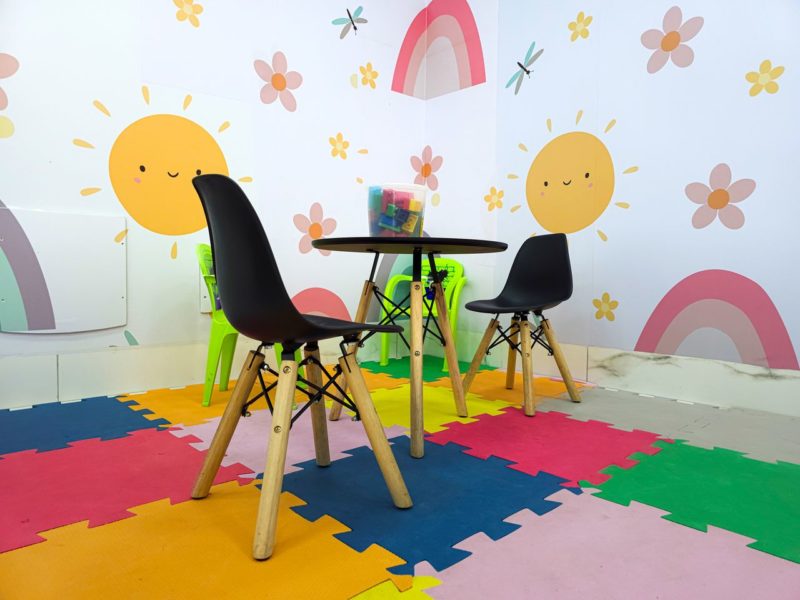
Inclusive education involves creating school environments where students with different needs can participate and learn. For students with sensory sensitivities or sensory-seeking preferences, the physical environment can influence their daily experiences at school.
Understanding how to create a sensory room in a school can help you provide a space that recognizes and accommodates these individual differences. This sensory room setup guide explores practical ways to design a calm and welcoming area. In addition, it promotes comfort and self-regulation.
Why a Sensory Room Matters
A sensory room is a designated area where students can access sensory experiences that help them feel calmer or better manage their surroundings. For neurodivergent students and others who experience sensory sensitivities, it can also support self-regulation, engagement and independence.
A 2024 research project on sensory spaces explored these benefits. Greyhound Intermediate School in Michigan introduced a sensory room for general and special education students in grades 3 to 5, alongside staff training. Observations after implementation found that students generally left the room in a more regulated state than when they entered.
To plan a space that meets students’ needs, involve teachers, special education staff, school administrators and professionals who can guide sensory room design and equipment selection. Their combined insight can help you create a sensory room on a budget for the school. This will be in a more manageable way.
1. Assess Student Needs and the Room’s Purpose
Before purchasing equipment, identify who will use the space, what they need from it and how it will fit into the school day. Some students need a low-stimulation environment to recover from overwhelming sounds, lights or activity. Others seek movement, tactile experiences or interactive materials to help them stay engaged. A sensory assessment by a qualified occupational therapist can provide further insight into individual preferences and support needs.
Sensory Space Designs explains that physical, emotional and neurological barriers can affect how children process their surroundings. Its inclusive design approach emphasizes observing how children respond to their environments. It also emphasizes adapting spaces to support self-regulation, focused engagement and calm.
You can apply the same principle at school by basing your design on students’ actual responses. Define a few clear objectives, such as supporting transitions, offering a quiet retreat or providing supervised movement breaks. These objectives will guide your decisions. They will also help you implement the right sensory features effectively.
2. Plan the Layout and Choose the Right Equipment
Your school’s sensory room should reflect the space available and the activities students will use it for. Start with a multipurpose space and divide it into clearly defined areas for calming activities, tactile exploration and movement where space allows.
Prioritize school sensory room design ideas that are easy to install, adaptable, durable and aligned with safety standards. If your school lacks a spare room, consider a sensory corner, a screened-off area or a portable sensory station.
When considering the best practices for setting up a sensory room in a school, Enabling Devices recommends seeking professional input on the room’s layout and configuration before making equipment decisions. For schools seeking specialized support, the company offers free sensory room design services. These services help educators plan a space that accommodates its intended activities and practical requirements.
With a clear plan in place, you can begin selecting equipment that supports your students’ sensory needs. Options include soft seating, tactile resources, interactive sensory devices and equipment that provides visual or auditory stimulation. Enabling Devices advises considering how each device will function within the space. It also suggests considering how devices support students’ sensory experiences.
In some cases, standard sensory room equipment for schools may not meet a student’s specific needs. Exploring a custom solution may provide a more suitable option for students who require a particular type of support. “If our vast selection of sensory products doesn’t include what you’re looking for, we can create a custom product to meet your unique requirements,” Enabling Devices explains. Looking for this flexibility lets you move past one-size-fits-all limitations in the classroom. It also lets you build truly inclusive learning environments.
3. Establish Clear Routines and Review What Works
A sensory room works best when students understand how and when to use it. Introduce the space during calm periods, demonstrate how to use its resources and establish simple expectations for entering, choosing activities and returning to class. Choice boards, visual prompts or timers and picture-based guides can help students anticipate routines and transitions. In addition, these guides give them a way to communicate their preferences.
Sensory Direct recommends rotating resources to maintain students’ interest while keeping the area uncluttered. These measures can make sensory room routines easier to follow. Moreover, they help students use the space with a sense of responsibility and independence. “When pupils feel calm, safe and understood, they are better able to engage, learn and thrive,” the company says.
Finally, monitor whether the room meets its intended objectives. Observe how students respond before and after visits and gather feedback from students and families where appropriate. Use those observations to improve the room’s setup.
Creating a Safe and Effective Sensory Space for Every Learner
A successful sensory room depends on thoughtful planning, suitable equipment and consistent use. By assessing student needs, prioritizing safety and introducing resources gradually, creating a sensory room on a budget for school can be more manageable. Regular reviews will help you adapt the environment as students’ sensory needs and preferences change, keeping the space useful and accessible every day.
Would you like to receive similar articles by email?

Tessa Dodson
Tessa Dodson is the Senior Writer of Classrooms.com who is passionate about supporting teachers, providing insights to students, and improving classroom environments. She specializes in covering educational trends, professional development, and practical strategies that lead to success.

You May Also Like
Making Your Summer Program Educational Without Feeling Too Much Like School

3 Experiments Teachers Can Do With Students