6 Safety Checks To Never Overlook When Securing Cargo
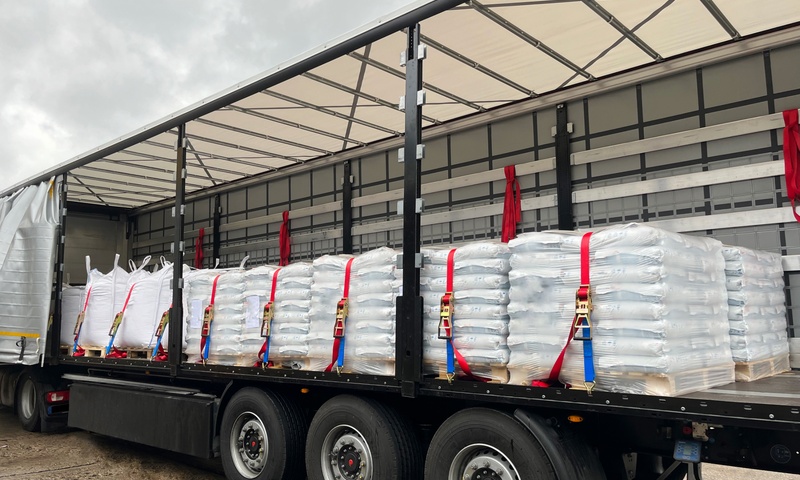
Every fleet manager knows that a shifted load translates directly to lost revenue and increased liability. Securing cargo requires strict attention to detail and a commitment to protocols that keep drivers and public roads safe. There are several routine safety checks to never overlook. Follow these tips to protect your assets, reputation, and employees’ safety before every departure.
Inspect the Tie-Downs
Worn straps and chains fail instantly under the extreme forces of a sudden stop or turn. Drivers must examine every inch of their securement devices for cuts, frays, or broken links before applying tension.
Regulations dictate strict criteria for removing equipment from service, and adhering to these standards prevents catastrophic failure. A compromised strap offers zero protection against the dynamic forces experienced during transit.
Verify Working Load Limits
Calculating the aggregate working load limit determines if your securement system truly handles the cargo’s weight. The sum of the working load limits for all devices must equal at least 50 percent of the weight of the article being secured. Failing to meet this mathematical requirement places the vehicle in direct violation of federal safety standards. You must confirm that the equipment ratings match or exceed the demands of the load.
Check the Anchor Points
Strong chains accomplish nothing if they attach to weak anchor points on the trailer deck. Rust, cracks, or deformation in the rub rails and D-rings compromise the structural integrity of the entire securement system.
Maintaining the trailer preserves the strength of these connection points. A driver must visually verify that the anchor point handles the stress of the tie-down without yielding or bending.
Account for Friction and Immobilization
Many operators underestimate how friction affects cargo securement and overall stability during transport. Using mats between the deck and the cargo drastically reduces the tendency for freight to slide. However, the presence of oil, water, or ice on the trailer deck eliminates this advantage and necessitates additional securement measures. Immobilizing the cargo against the headboard provides a physical barrier against forward movement during hard braking events.
Use Edge Protection
Sharp corners on cargo cut through synthetic straps with alarming ease. Using edge protectors distributes the pressure of the tie-down over a larger area to preserve the strap’s integrity. This simple addition prevents the strap from severing and protects the cargo itself from crushing forces. Drivers should keep a supply of edge protectors readily available for every load to avoid unnecessary equipment damage.
Retighten Components Post-Departure
Loads naturally settle and shift shortly after the truck begins moving down the highway. Federal regulations require drivers to stop within the first 50 miles to check the tension on all devices. This follow-up inspection catches issues that develop as the cargo vibrates and settles into place. Incorporating these safety checks to never overlook into the daily routine minimizes risk and demonstrates professional due diligence.
Rigorous safety checks when securing cargo separate professional fleets from negligent operators. Your commitment to these standards protects lives and reduces insurance claims over the long term. Train your drivers to execute these inspections without fail before every departure.
Would you like to receive similar articles by email?

Paul Tomaszewski
Paul Tomaszewski is a science & tech writer as well as a programmer and entrepreneur. He is the founder and editor-in-chief of CosmoBC. He has a degree in computer science from John Abbott College, a bachelor's degree in technology from the Memorial University of Newfoundland, and completed some business and economics classes at Concordia University in Montreal. While in college he was the vice-president of the Astronomy Club. In his spare time he is an amateur astronomer and enjoys reading or watching science-fiction. You can follow him on LinkedIn and Twitter.


You May Also Like

Types of Link Building You Should Know About

Top Welding Professions That Pay the Most