Top Safety Tips for Building Backyard Play Areas
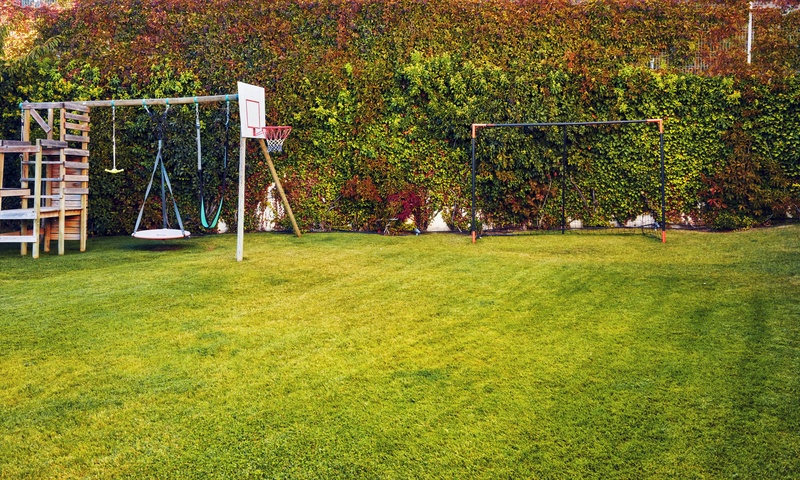
Children thrive on outdoor activity. A personal jungle gym offers endless entertainment and aids physical development. However, improper installation creates hazards. Keeping kids secure requires planning and attention to detail.
Follow these top safety tips for building backyard play areas that provide a secure recreation zone.
Install Shock-Absorbing Surfacing
Falls account for the majority of playground injuries. Grass and dirt fail to absorb shock effectively. Concrete and asphalt pose severe risks. Installation of loose-fill materials such as wood mulch, wood chips, or shredded rubber cushions performs significantly better. The Consumer Product Safety Commission (CPSC) recommends a fill depth of at least 9 inches.
This depth compresses over time, so that the initial installation may require 12 inches. Proper surfacing materials prevent life-threatening head injuries. Placing rubber mats under slides and swings offers extra protection in high-traffic spots.
Designate Proper Use Zones
Kids run, jump, and fall. They need space. Placing equipment too close to fences, trees, or other structures increases the risk of accidents. A safety zone extending 6 feet in all directions from the equipment perimeter allows safe movement. Swings demand even more room.
The surfacing should extend in front and behind the swing a distance equal to twice the height of the top bar. This prevents collisions with bystanders or obstacles.
Check For Entanglement Hazards
Strings and loose clothing catch on playground hardware. This creates strangulation risks. Remove drawstrings from children’s clothes before play. Inspect the equipment for open S-hooks or protruding bolts. S-hooks must close tightly, with no gap larger than a dime’s thickness.
Bolt ends require covers or caps. Smooth out any sharp edges or splinters on wooden structures. Regular inspections catch these issues before they cause harm.
Prevent Head Entrapment
Openings in guardrails or between ladder rungs pose entrapment dangers. Spaces should measure less than 3.5 inches or greater than 9 inches. An opening between these sizes traps a child’s head while allowing their body to pass through.
Measuring these gaps prevents serious accidents. Verify that all barriers and guardrails meet these spacing requirements.
Select Age-Appropriate Equipment
Toddlers struggle on equipment meant for school-aged children. High platforms and steep slides overwhelm young users. Conversely, older children became bored easily with small sets. Matching the structure to the child’s ability level prevents falls and misuse.
Height plays a significant role in enjoyment and safety. A taller beam allows a more extended, smoother swing arc. Understanding the best swing set heights for home usage assists in selecting the right frame. Proper sizing keeps the play experience fun and secure for specific age groups.
Secure Anchoring Systems
An unstable set tips over easily. Swinging creates strong momentum. Securing the legs in the ground counteracts this force. Concrete footings provide the most stability. Manufacturers usually offer specific anchoring instructions. Follow these strictly. Buried anchors prevent tripping hazards within the play area.
Prioritize Ongoing Maintenance
Weather and use wear down equipment: wood rots and metal rusts. Monthly checks of nuts, bolts, and surfacing depth help preserve the play area’s integrity. Tighten loose hardware promptly.
Rake loose-fill surfacing to maintain the 9-inch depth. These top safety tips for building backyard play areas help maintain a secure environment for years.
Would you like to receive similar articles by email?

Danuta Smoluk
Danuta Smoluk is a teacher with over three decades of experience teaching both children and adults. She specializes in teaching the Polish language to English-speakers. She has a master's degree in primary and early childhood education from WSP Słupsk (currently Pomeranian University in Słupsk) and had her degree validated by University of Toronto. Aside from education, she also has an interest in real estate and home improvement. She has planned and supervised many house renovations. She loves interior design, cooking, and gardening.


You May Also Like
Why Your Basement Should Have a Sump Pump

Why Modern Workouts Demand Smart Clothing