Revive Your Car’s Dull Paint: Tips to Make It Shine Again
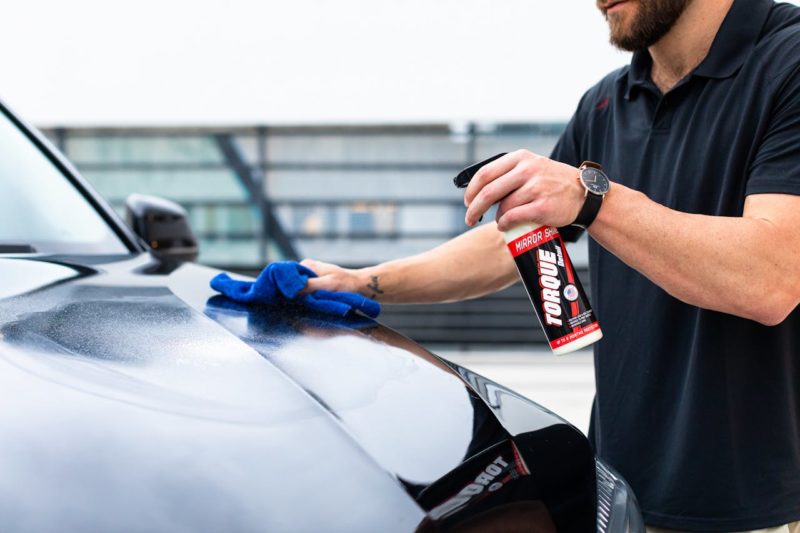
Over time, it’s kind of normal that a car’s paint job starts to lose its lustre. Constant exposure to the elements, road grime and some common washing mishaps tend to turn what was once a glossy finish into something dull and tired. The good news is, it doesn’t have to stay that way—there are some great ways to revive your car’s dull paint and restore its shine.
With the right techniques and some top-quality car exterior detailing products, you can definitely breathe some new life into your paint job. You can also bring back a lot of its original depth, clarity and shine. You’d be amazed at the simple difference you can make just by getting your washing methods right. Using the right cleaners and products helps enhance that finish and revive your car’s dull paint for a rejuvenated look. So here’s how to get your car looking its best.
Washing
When it comes to bringing your car’s paint job back to life, you have to get the basics right. The first step is getting a really good clean. This is where all the loose dirt, grime and other surface crud gets taken off. This step will really help with what comes next in the process of taking care of the paint. The key is to choose the best exterior car wash products. These are specifically designed to get the job done. Additionally, they do it without harming your car’s paint or finish.
Don’t even think about using dish soap or household cleaners on your car. They’re gonna be way too harsh on the paint and strip away all the protective oils and waxes, which is the last thing you want to happen. One of the best exterior car wash products you can use is a car shampoo that’s specifically pH-balanced. This type of cleaner will gently get rid of all the dirt and grime without causing any damage to the paint.
When you’re washing, ditch the sponge and use a soft microfibre wash mitt instead—it will carry all the dirt away from the surface and stop you getting any scratches. Wash the car in straight strokes, always working from the top down. Also, make sure to rinse it often to stop dirt from getting dragged across the paint. Then give it a good rinse to get all the soap off. Finish off by drying the car with a microfibre towel to stop water spots and preserve that glossy finish.
Preparing the Surface
Once you’ve given your car a good wash its time to get the paint in shape for what’s next. Even with a wash, some dirt and grime can still be stuck to the paint—brake dust, road tar, that sort of thing. A clay bar treatment is the key to getting rid of all that. This step leaves the paint smooth and ready for a polish or a protective coating. Reviving car’s dull paint often starts with making the surface as clean and smooth as possible.
First up, apply a bit of clay lubricant to the paint, then just run the clay bar over the surface in straight, gentle passes. This lubricant lets the clay glide smoothly over the paint, lifting away the tougher dirt bits. Do it in small bits at a time, working from one section to the next. This gives you more control. In addition, it makes sure you get every bit of it clean.
After you’ve done each section, give it a good wipe down with a clean microfibre cloth to get rid of any residue. Then have a feel—the paint should be super smooth to the touch by now. This is the ideal starting point for polishing.
Polishing and Compounding
Polishing is key for getting back some shine in your car, and compounding is for addressing anything more serious, like heavy oxidation or scratches. It’s all about getting the right tool for the job here. A good quality polish will do for lightly faded paint. However, if you’ve got heavier issues, then you’ll need a compound first. After that, use a polish to really get the finish spot on. In fact, polishing is one of the most effective steps to revive your car’s dull paint and restore its vibrant color.
Both can be done by hand if you like, but a machine polisher is a lot faster and more consistent in the results. Infact that’s what most pros use. Now, there are 2 types of machine polishers you can get—rotary and dual action (DA). Rotary ones are pretty aggressive, but you have to be careful with them because if you get them wrong, you can actually damage the paint. DA polishers are a lot more forgiving. So if you’re new to this sort of thing they’d probably be the best bet.
When you’re polishing, slap a foam or microfibre pad on the machine, add a bit of polish, and spread it evenly over the surface in small sections. Just do a crosshatch pattern of overlapping passes—that way you get good, even coverage and the correct amount of correction. When you see the polish start to turn clear, move on to the next section.
After you’ve finished with each bit, whip it with a clean microfibre towel to get rid of any polish residue. You should see the gloss underneath starting to poke through again.
Sealing and Protecting That Paint Job
Once your paint is looking good as new, you’ll want to make sure it stays that way. Protecting it from now on is key to keeping that shine and preventing it from fading or getting all oxidised. Applying a wax or paint sealant gives you a buffer between the paint and the elements—UV rays, pollution, dust and all the other junk that’s out there to dull it up.
Choosing between a traditional wax and a synthetic sealant comes down to what you’re trying to achieve. If you’re after some serious long-term protection that’ll stand up to the elements (especially when it comes to oxidation), the synthetic sealants are usually the way to go. But if you want to add some depth and warmth to your paint, then carnauba wax is the better bet.
To apply, grab a soft applicator pad and a tiny bit of product—a little goes a long way. Start spreading it out with some gentle circular motions. Make sure to cover everything evenly so you don’t end up with any patchy bits. It’s usually 10-15 minutes for the product to cure, but be sure to follow the manufacturer’s instructions.
Once that’s all done, give the surface a good buff with a clean, dry microfibre towel to get that paint looking its absolute best. If you want an extra layer of protection and some extra shine, throwing another layer on top is a good idea. Just make sure the first one is fully cured first. In summary, these steps will help revive your car’s dull paint and keep it looking amazing for years to come.
Would you like to receive similar articles by email?

Paul Tomaszewski
Paul Tomaszewski is a science & tech writer as well as a programmer and entrepreneur. He is the founder and editor-in-chief of CosmoBC. He has a degree in computer science from John Abbott College, a bachelor's degree in technology from the Memorial University of Newfoundland, and completed some business and economics classes at Concordia University in Montreal. While in college he was the vice-president of the Astronomy Club. In his spare time he is an amateur astronomer and enjoys reading or watching science-fiction. You can follow him on LinkedIn and Twitter.


You May Also Like
Common Types of Car Damage and How To Avoid Them
5 Essential Race Car Modifications Your Car Needs To Compete