The Dos and Don’ts of Repairing a Car Tire
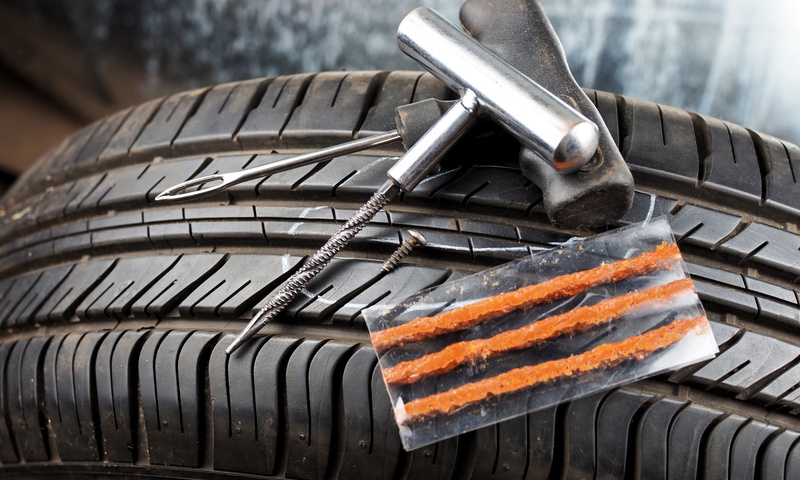
A nail in the tread can turn an ordinary drive into an unexpected roadside problem. The good news is that a tire puncture does not automatically require tire replacement. Drivers can repair some types of damage if it falls within a repairable area and the tire remains structurally sound.
The important part is knowing the difference between damage that lends itself to repair and damage that necessitates complete replacement. Keep reading to understand the dos and don’ts of repairing a car tire.
Do Inspect the Location of the Damage
The position of a puncture matters as much as its size.
A small hole in the central tread area may qualify for repair because this portion of the tire has a relatively stable structure. Damage near the outer edge requires more caution. The shoulder and sidewall flex considerably while the vehicle moves, which makes reliable repairs in those areas difficult.
A puncture that appears small from the outside may also hide additional damage. Driving on a tire after it loses substantial air pressure can harm the inner structure even when the exterior still looks normal.
Don’t Repair Sidewall Damage
The sidewall performs a demanding job. It repeatedly bends as the tire rotates, absorbs road forces, and helps support the vehicle.
Patches and plugs cannot restore damaged sidewall structure. Cuts, punctures, deep abrasions, bubbles, and exposed cords in this area generally point toward replacement rather than repair.
A bulge deserves particular attention. It can indicate the separation or breaking of internal cords, allowing air pressure to push against weakened rubber. Patching the surface would not correct the underlying structural problem.
Do Remove the Tire for a Complete Inspection
A repair should not begin with the tire still on the wheel.
Removing it allows the technician to inspect the inner liner and look for signs of hidden damage. Those signs may include shredded rubber, exposed cords, cracking, discoloration, or evidence that the tire operated while severely underinflated.
This inspection can change the repair decision completely.
Don’t Rely on a Plug Alone as a Complete Repair
Inserting a basic plug from the outside can stop air from escaping, which makes it tempting as a permanent solution. Yet stopping the leak addresses only part of the problem.
A proper puncture repair should seal the path through the tread and protect the inner liner. Repair methods that combine a plug with an interior patch address both areas.
This distinction matters because moisture can enter an inadequately sealed puncture channel. Over time, moisture may reach steel components inside the tire and contribute to corrosion or separation.
Do Consider the Size of the Puncture
Repairability also depends on puncture size.
Small penetrations from nails, screws, or similar objects are the most common repair candidates. Large holes remove or damage more material, making it harder for a repair to restore an effective seal.
Cuts and irregular tears create another problem. Unlike a clean puncture, they may extend through a broader section of the tire or damage multiple reinforcing components.
Drivers should also pay attention to multiple punctures. Two individually repairable holes may still create concerns if they sit too close together or overlap with previous repairs.
Don’t Ignore Previous Repairs
A tire does not return to factory condition after patching over a puncture.
Previous repair locations can affect whether another puncture qualifies for repair. A new hole that overlaps an existing repaired area may leave too little undamaged material for another proper patch.
Repeated punctures can also make the inside of the tire increasingly complicated to evaluate.
When evaluating an older repair, drivers can review guidance on when a tire repair may no longer be safe to better understand warning signs that can point toward replacement instead of another repair.
Do Check the Tire’s Overall Condition
A repairable puncture does not necessarily mean the entire tire deserves more road time.
Tread depth, age, cracking, uneven wear, and previous damage all affect the bigger picture. Repairing a minor nail hole on a tire with severely worn tread may solve the air leak without addressing the tire’s remaining serviceability.
Uneven wear can also reveal other issues. Excessive wear along one edge may point to an alignment problem, while unusual wear patterns can relate to inflation pressure or suspension components.
Don’t Drive Far on a Flat or Severely Underinflated Tire
Continuing to drive can transform a repairable puncture into an unrepairable tire.
When air pressure drops, the sidewalls flex far more than they should. That excessive movement generates heat and can damage internal reinforcement. The weight of the vehicle may also pinch portions of the tire between the wheel and the road.
A tire can regain pressure afterward and still contain hidden structural damage. If the tire loses pressure rapidly, drivers should move the vehicle only as far as necessary to reach a safe stopping location.
Do Find the Cause of Repeated Pressure Loss
Not every slow leak comes from a puncture.
Air may escape around the valve stem, the wheel rim, or a damaged bead where the tire meets the wheel. Temperature changes can also affect pressure readings, though repeated or substantial pressure loss deserves investigation.
Simply adding air each time the pressure warning appears can delay identification of the actual problem.
Finding the source matters because different leaks require different solutions. A wheel with corrosion around the bead area, for example, presents a different repair situation than a clean nail puncture through the center tread.
Don’t Assume Tire Sealant Solves the Problem
Portable sealant can be useful during an emergency, but it comes with limitations.
Sealant may temporarily slow a leak, allowing a driver to move the vehicle away from traffic or reach a repair facility. It does not restore damaged tire structure, and it cannot make sidewall damage repairable.
Some sealants can also complicate inspection because the material coats the inside of the tire.
Do Check Pressure After a Repair
The repair process does not end when the tire goes back on the vehicle.
Check the air pressure after installation, then monitor it during normal use. A properly repaired tire should maintain pressure in line with the vehicle manufacturer’s recommended specification.
The correct pressure appears on the vehicle’s tire information label, commonly inside the driver’s door jamb. The pressure molded onto the tire sidewall represents a tire specification, not necessarily the recommended operating pressure for that particular vehicle.
Know When Replacement Makes More Sense
Now that you understand the dos and don’ts of repairing a car tire, you should know when it makes sense to repair a tire and when you should replace it completely.
A small puncture in a healthy tread area can be a reasonable repair candidate. Sidewall damage, significant internal damage, large punctures, or problems involving previous repairs can point toward replacement instead.
This is where tire repair safety becomes less about fixing every leak and more about recognizing the limits of what a repair can accomplish.
A tire carries the vehicle, maintains contact with the road, and withstands constant changes in load and temperature. A reliable repair preserves those functions. When damage prevents that, replacement becomes the more appropriate solution.
Would you like to receive similar articles by email?

Paul Tomaszewski
Paul Tomaszewski is a science & tech writer as well as a programmer and entrepreneur. He is the founder and editor-in-chief of CosmoBC. He has a degree in computer science from John Abbott College, a bachelor's degree in technology from the Memorial University of Newfoundland, and completed some business and economics classes at Concordia University in Montreal. While in college he was the vice-president of the Astronomy Club. In his spare time he is an amateur astronomer and enjoys reading or watching science-fiction. You can follow him on LinkedIn and Twitter.


You May Also Like

The Lincoln MKZ’s Panoramic Sunroof

8 Essential Race Car Modifications Your Car Needs To Compete