Why Your Electronics Project Needs Reliable Data Collection (And How I Learned This the Hard Way)
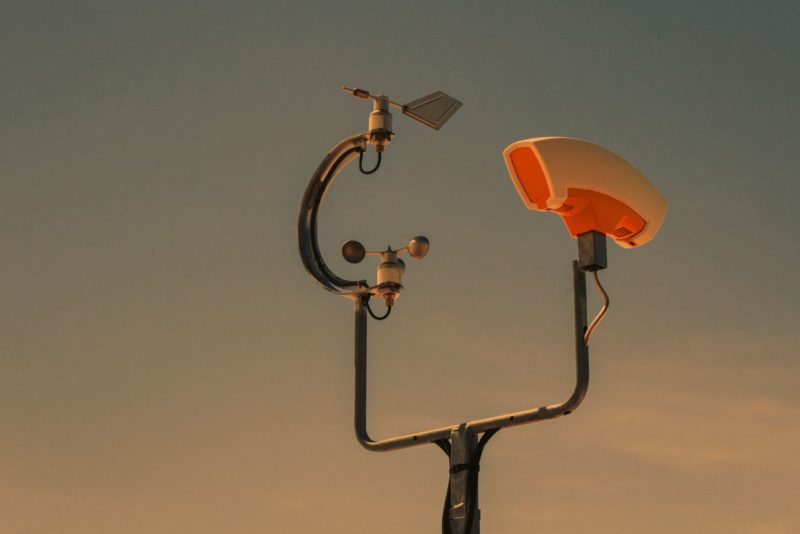
I spent three weeks last summer building a weather monitoring system with an ESP32 board. Clean wiring, beautiful setup, everything worked perfectly in my basement workshop.
Then I deployed it outside.
Within 48 hours, something weird happened. Temperature readings didn’t match the backup sensor I’d placed 2 meters away—differences of 3.7 degrees Celsius, unacceptable for serious monitoring or reliable data collection.
You Can’t Debug What You Can’t See
I needed comparison data from online weather services to verify my readings. Sounds simple.
Wrong.
Most free weather APIs rate-limit you hard. Like 50 requests per day hard. My device checked every 10 minutes. I hit my limit before lunch.
I tried rotating through multiple API keys. Got banned within a week. These services don’t appreciate creative solutions.
A developer in hardware forums mentioned he’d had luck using a proxy provider to distribute requests across different IP addresses. I thought that sounded like overkill for a hobby project.
But I was desperate.
When Your Project Scales Beyond Your Living Room
Even small-scale IoT projects generate way more network traffic than expected. My single weather station validated data against four different services, sent alerts when thresholds got crossed, and logged everything to a cloud dashboard.
Here’s what nobody tells you: websites treat repeated requests from the same IP exactly like spam. Doesn’t matter if you’re a hobbyist with good intentions or an actual bot farm. After request 47 in an hour, you’re getting throttled or blocked.
Proxy rotation solves this without redesigning your code around arbitrary rate limits. Your requests come from different sources. The target server sees normal traffic patterns. You collect your data reliably.
What Actually Works in Real Hardware Projects
You don’t need some fancy enterprise solution. But you absolutely need consistency in your data pipeline. I tested my weather station with proxied requests for 11 days straight. Zero interruptions. My data validation started working exactly as designed.
It opened up possibilities I hadn’t considered. I started pulling historical weather data to train a basic ML model for prediction. I added air quality readings from three different providers to cross-reference accuracy. None of that would’ve worked with my original approach.
The cost was less than I spend on components for a typical weekend project. Around $23 for the traffic I used that month.
Building Things That Actually Function Outside Your Network
Testing hardware on your local network tells you almost nothing about real-world performance. You need to simulate actual usage conditions before permanently mounting anything. That means dealing with rate limits, geographic restrictions, and the general messiness of the open internet that doesn’t exist in your controlled workshop.
Most electronics projects fail because of software problems rather than hardware issues. Your sensor works fine. Your code is solid. But you didn’t account for how your device collects data reliably 24/7.
I’ve started building proxy support into my projects from day one. Even if I don’t need it immediately, having that capability ready saves me from redesigning everything later when my simple weekend project grows into something more complex.
Would you like to receive similar articles by email?

Paul Tomaszewski
Paul Tomaszewski is a science & tech writer as well as a programmer and entrepreneur. He is the founder and editor-in-chief of CosmoBC. He has a degree in computer science from John Abbott College, a bachelor's degree in technology from the Memorial University of Newfoundland, and completed some business and economics classes at Concordia University in Montreal. While in college he was the vice-president of the Astronomy Club. In his spare time he is an amateur astronomer and enjoys reading or watching science-fiction. You can follow him on LinkedIn and Twitter.


You May Also Like

How To Safely Pack Your Electronics for a Move

Is Your Home to Blame for Poor Cellular Signal?