7 Reasons Your Industrial Machines Are Overheating
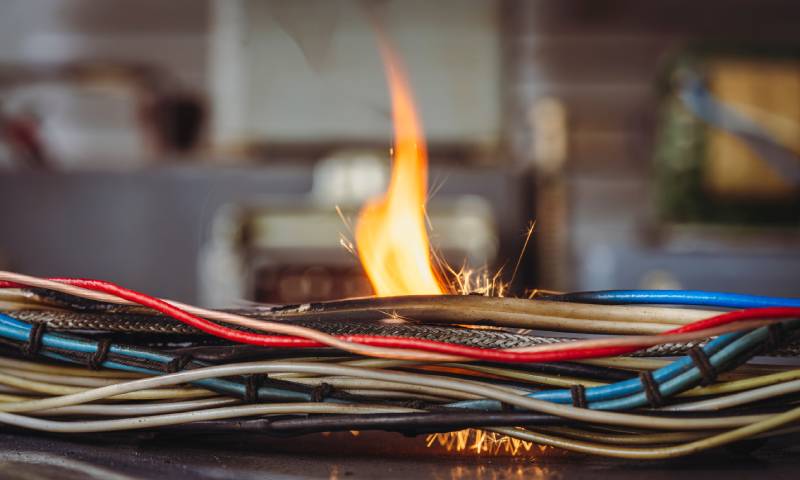
When industrial machines overheat, it is more than a minor inconvenience—it disrupts operations, increases downtime, drives up repair costs, and can create serious safety risks. If left unchecked, frequent overheating leads to permanent equipment damage.
Understanding the root causes behind this common issue helps you keep your machines running smoothly and reduce costly interruptions. Learn more about the reasons industrial machines overheat and how to address them effectively.
1. Lack of Proper Lubrication and Maintenance
Lubrication is essential for reducing friction between moving parts. Without it, friction intensifies between moving parts, generating excessive heat. Over time, this wear and tear leads to performance inefficiencies and potential equipment failure.
Make it a habit to follow the manufacturer’s lubrication schedule. Rotating components such as bearings, gears, and shafts all require proper lubrication to maintain peak performance.
Not only should lubrication levels be checked regularly, but the quality of the lubricant should also be considered. Degraded or contaminated oils are a common cause of overheating in bearings and other moving parts that diminishes performance. Use quality lubricants and ensure your maintenance team knows how to clean, replace, and maintain all lubrication systems.
Modern maintenance strategies go further by incorporating predictive maintenance tools that monitor lubrication condition and component health in real time.
2. Insufficient Cooling Systems
Much like the radiator in your car, cooling systems are essential to keeping industrial machines at optimal temperatures. Whether it is a fan, coolant, or heat exchanger, these systems regulate the heat generated during operations. If they are not functioning as intended, overheating becomes inevitable.
Check cooling system components frequently for blockages, leaks, or failing parts such as pumps and seals. Dust and debris in cooling vents or filters also restrict airflow, so regular cleaning is paramount.
In many facilities, outdated or undersized cooling systems struggle to meet modern production demands. Consider upgrading to:
- Closed-loop cooling systems for improved control
- Industrial chillers integrated with HVAC systems
- Variable-speed fans that adjust based on temperature
- Real-time temperature monitoring systems
3. Overworking and Load Mismanagement
Heavy workloads, whether intentional or accidental, often lead to industrial machines working beyond their safe operational capacity. When machines exceed their limits, it results in escalating heat levels as components struggle to handle the excessive load.
Prevent this by accurately assessing load requirements, utilizing the correct equipment for the task, and distributing workloads appropriately across machines.
In addition to operator training, modern facilities increasingly rely on automation to prevent overload conditions. These include PLC-based load monitoring systems, automated shutdown mechanisms, and real-time performance dashboards that reduce the risk of overheating.
4. Environmental Factors
The environment surrounding your machinery plays a significant role in heat management. High ambient temperatures, excessive humidity, or dust and debris compromise a machine’s ability to dissipate heat effectively. Poorly ventilated factory floors compound the issue.
Address this by optimizing ventilation in workspaces, installing insulation where necessary, and keeping machines away from direct sources of heat or environmental hazards.
For particularly demanding environments, consider additional measures such as:
- Industrial air filtration systems (including HEPA filters where applicable)
- Climate control or HVAC integration
- Protection against corrosive environments (e.g., chemicals or salt exposure)
- Positive-pressure environments for sensitive equipment
5. Age and Wear of Machine Components
Aging machinery has its limits. Even high-quality equipment degrades over time due to constant use. Worn bearings, seals, and other components struggle to perform efficiently, often leading to overheating as the machinery compensates for these inefficiencies.
Regular inspections are key. Maintenance teams should closely monitor the condition of vital parts and replace worn components promptly.
Tracking component lifecycles and replacing parts proactively can significantly reduce the risk of overheating and unexpected failures.
6. Electrical System Issues
Electrical problems are a frequently overlooked cause of overheating, especially in motors and control systems.
Issues such as voltage imbalances, overcurrent, or loose connections can generate excess heat and reduce efficiency.
Common causes include:
- Faulty wiring or poor connections
- Overloaded circuits
- Motor inefficiencies or insulation breakdown
Routine electrical inspections and thermal imaging can help detect these problems early.
7. Lack of Monitoring and Predictive Maintenance
Relying solely on scheduled maintenance is no longer sufficient in modern industrial environments.
Today’s facilities use sensors and data analytics to detect overheating before it leads to failure. Technologies include:
- Temperature and vibration sensors
- IoT-enabled monitoring systems
- Predictive maintenance platforms
These tools allow teams to identify abnormal heat patterns early and take corrective action before breakdowns occur.
Quick Signs Your Machine Is Overheating
Watch for these early warning signs:
- Rising operating temperatures
- Burning smells or discoloration
- Reduced efficiency or performance
- Frequent shutdowns or alarms
- Unusual vibration or noise
Conclusion
Overheating does not have to disrupt your operations. By combining proper maintenance, modern cooling solutions, smart load management, and real-time monitoring, you can take a proactive approach to equipment health.
Address these root causes to prevent breakdowns, extend the lifespan of your equipment, and reduce repair expenses while maintaining a safer and more reliable working environment.
Would you like to receive similar articles by email?

Matthew Lesniak
Matthew Lesniak is a Mechanical Engineering graduate working within the exciting field of remotely piloted aircraft systems (RPAS), better known as drones. His day-to-day work focuses on supporting drone manufacturers, facilitating certification processes, as well as advancing research and development projects. Matthew’s hobbies include travelling with his wife, playing board games, reading and staying active.


You May Also Like
5 Common Electrical Problems in a Warehouse
How Modern Heavy Machinery Works: The Systems Behind the Power