Quadrantid Meteor Shower Guide
One of the most intense meteor showers of the year, the Quadrantids occur every early January with an incredible display of quick, colorful meteors.
The shower is due to debris left in space by the asteroid 2003 EH1. It can provide up to 120 meteors per hour at the peak, but the display is brief and only lasts a few hours. The ideal viewing conditions will be clear, dark skies far from city lights.
If you’re in North America, the frigid winter temperatures can put a damper on viewing, so bundle up! The last section goes into detail about how to view them best.
What Are The Quadrantids?
The Quadrantid meteor shower is the year’s first big meteor shower. Known for its high meteor rates and very sharp, short-lived peak.
Unlike the majority of meteor showers that originate from comets, the Quadrantids appear to be linked to asteroid 2003 EH1. This is what makes them one of the very few annual meteor showers to have an asteroid origin.
January’s Fleeting Firework Show
Unfortunately, the Quadrantids reach their peak for only a handful of hours. This short time frame makes it so that only those who are up on January 4th will see the greatest display.
The shower begins as early as December 26 and ends by January 12. Most of the meteors put on their spectacular show at peak time! Even the Quadrantids are known for producing bright fireballs, illuminating the cold winter sky.
Unlike other showers such as the Perseids or Geminids, the Quadrantids’ brief peak means that advance planning is essential.
The Story Behind the Name
The name “Quadrantids” is derived from Quadrans Muralis, a defunct constellation. As early as the 1820s, observers in Europe began noting the shower’s return each year, recognizing it as an annual event.
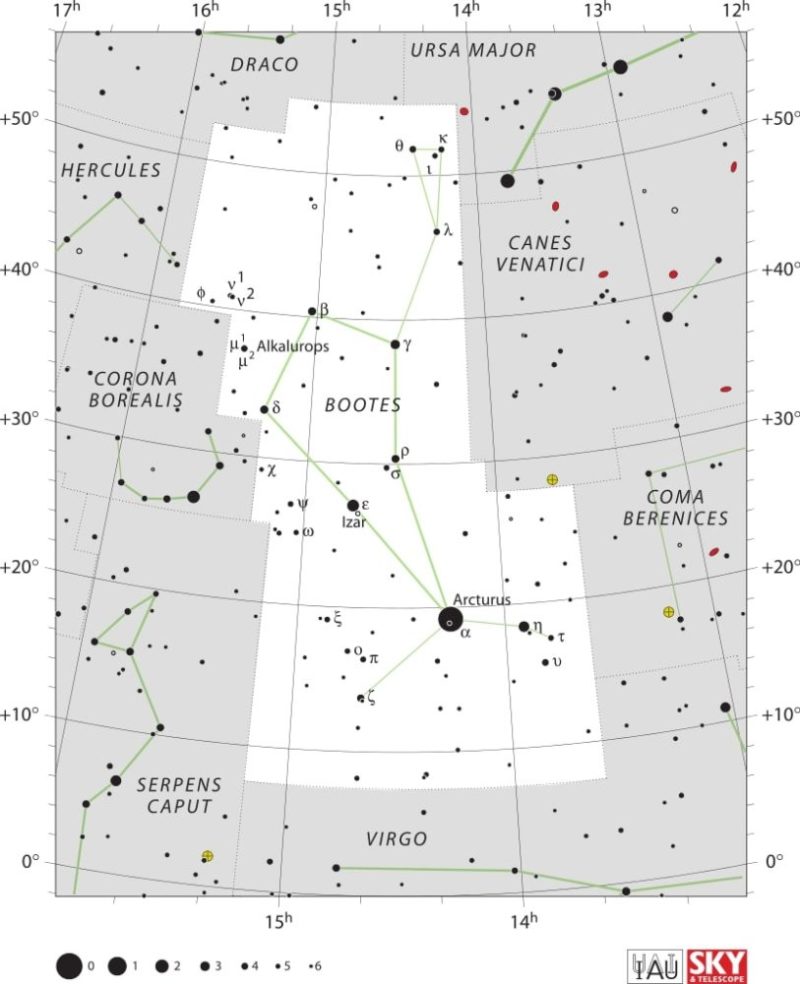
The Quadrantids radiant—the point in the sky that meteors appear to originate from—is located in the constellation of Boötes.
Parent Body: Asteroid or Comet?
The Quadrantids are thought to originate from asteroid 2003 EH1, which orbits the sun every 5.5 years.
Some scientists think EH1 is a dead comet. They propose that it is related to C/1490 Y1, which was observed in East Asia centuries ago.
Why Their Peak is Brief
Because Quadrantid meteors move through a tightly packed meteor stream, their peak is significantly shorter than prominent meteor showers such as the Orionids. Cloud cover or city lights are always going to be a view-blocking concern, but ideally you want clear, dark skies for optimal meteor activity.
How Quadrantids Stand Out
The Quadrantids can be one of the strongest annual meteor showers, featuring peak rates of up to 120 meteors per hour, including some very bright fireballs. Optimal timing and conditions can lead to a spectacular display, making it a favorite among meteor enthusiasts.
Unearthing Quadrantid Origins
The annual Quadrantid meteor shower is unique among the prominent meteor showers, both for its abrupt peak and its historical depth. This is one of the reasons why its origins have puzzled astronomers for two centuries. Tracing its roots has expanded our understanding of meteor activity and how these meteor streams change over time.
A Look at Their Discovery
Originally observed in 1825, the Quadrantids, a prominent meteor shower, garnered the attention of astronomers on both sides of the Atlantic. By 1839, Adolphe Quetelet in Belgium and Edward C. Herrick in Connecticut realized that these meteors came every year as part of the annual meteor showers.
For centuries, however, their source was a mystery. It was only in 2003 that astronomers finally made the connection of the shower to asteroid 2003 EH1, thanks to improved telescopes and tracking. This asteroid could be related to the ancient comet C/1490 Y1, recorded by East Asian astronomers over 500 years ago, linking it to the rich meteor showers of the past.
The Science of Their Formation
Quadrantid meteors are originated from debris associated with asteroid 2003 EH1. As Earth passes through this very narrow stream, we get a wonderful shower of meteors. This narrow stream is why the peak only lasts about eight hours.
Quadrantid Meteor Characteristics
Quadrantid meteors are very bright and very swift, at nearly 41 km per second. To see a great performance, you have to be tuned in at the precise moment.
Your Guide to Seeing Quadrantids
The Quadrantid meteor shower is one of the best annual skywatching events especially for observers in the Northern Hemisphere, with its radiant point sitting high in the northern sky. Especially with a peak that only stretches about 8 hours, timing and planning is key!
Here’s what you need to maximize your experience of this brief but spectacular show.
Best Time for Peak Viewing
The Quadrantids peak on January 4th. In most years, the radiant point goes above the horizon after midnight, reaching its highest point in the sky just before sunrise.
This window is critical as the shower’s peak activity is brief. Do a weather check before you go out to make sure conditions are safe. Clear, dark skies increase your chances, but a bright Moon will wash out the faint meteors.
Finding Dark Skies
To catch the Quadrantids at their best, seek out dark skies away from artificial illumination. National parks such as Death Valley (California) and Cherry Springs (Pennsylvania) are designated dark skies parks.
Websites such as the International Dark Sky Association are good resources to choose where to go. Rural locations trump cities for meteor viewing, since fewer artificial lights allows you to see more meteors.
Simple Tips for Watching
- Pick a spot away from city lights.
- Dress in layers for the cold.
- Give your eyes 20–30 minutes to adjust to darkness.
Conclusion
The Quadrantids arrive abruptly, produce an intense spectacle, and then disappear rapidly. Now, every January, people all over the world make a point to look up, hoping to glimpse that flash of blue-white streaks. Even in the brightly lit skies over cities, they can’t hide them all. A cold night, a clear sky, and a little good fortune are the best ingredients for seeing these meteors.
Whether you’re taking a picture or simply enjoying them with friends, it’s a great place to start the year. The Quadrantids remind us that cool stuff happens over our heads, even if it’s easy to miss. So look out the next time they pass through. Look up, bundle up, enjoy your celestial show, and report what you see to help us all learn more about this spectacular shower!
Frequently Asked Questions
What is the Quadrantid meteor shower?
The Quadrantids, a prominent meteor shower, are renowned for their bright, fast meteors and a very short, intense peak.
When is the best time to view the Quadrantids?
To have the best views of the Quadrantid meteor shower look up at the northeastern sky during the peak hours on January 4th.
How many meteors can I expect to see during the Quadrantids?
At best, you could expect to see 120 meteors per hour during the peak of the meteor showers. Actual counts depend on local weather and light conditions.
Can I photograph the Quadrantid meteor shower?
Yes! To capture stunning images of the annual meteor showers you’ll want to use a DSLR or mirrorless camera, along with a sturdy tripod and wide-angle lens.
What causes the Quadrantid meteor shower?
The Quadrantid meteor shower, a prominent annual shower, occurs when debris from an extinct comet vaporizes upon entering Earth’s atmosphere.
Are the Quadrantids safe to watch?
You are going to be cold. It is perfectly safe to watch the Quadrantids, a prominent meteor shower, with the naked eye. Only your eyes are required, no special equipment or eye protection is necessary.
See also:
- Previous meteor shower: Antihelion Source Meteor Shower
- Next meteor shower: Gamma Ursae Minorid Meteor Shower
Would you like to receive similar articles by email?

Paul Tomaszewski
Paul Tomaszewski is a science & tech writer as well as a programmer and entrepreneur. He is the founder and editor-in-chief of CosmoBC. He has a degree in computer science from John Abbott College, a bachelor's degree in technology from the Memorial University of Newfoundland, and completed some business and economics classes at Concordia University in Montreal. While in college he was the vice-president of the Astronomy Club. In his spare time he is an amateur astronomer and enjoys reading or watching science-fiction. You can follow him on LinkedIn and Twitter.


You May Also Like

When, Why and How You Should Stand Up for Yourself
How Does the International Space Station Fulfill Its Energy Needs