How to Prepare Your Business Fleet for Cold Weather
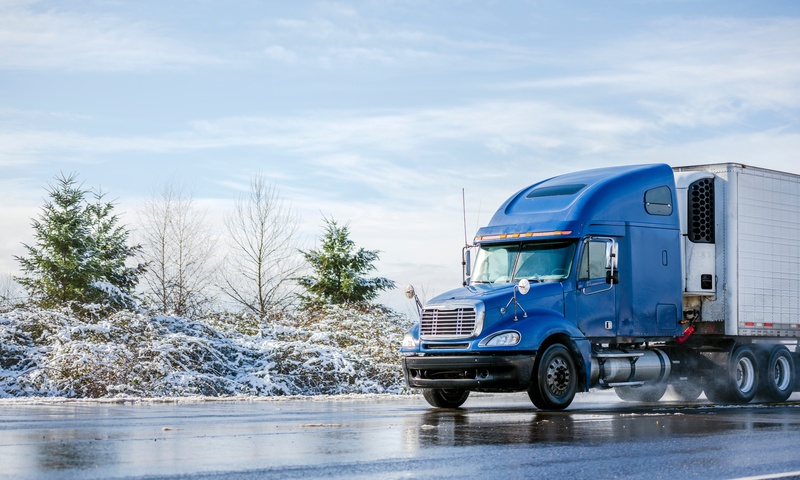
Winter is rough on commercial vehicles, and the problems aren’t limited to driving through snow. Cold temperatures change how engines start and how mechanical systems operate. Issues that barely affected a vehicle during warmer months can suddenly cause downtime.
Preparing your business fleet for cold weather involves looking at the components most vulnerable to freezing temperatures. Taking care of these areas before winter arrives gives your vehicles a better shot at getting through the season without unexpected repairs.
Test Your Vehicle Batteries
A battery that starts an engine without trouble in September may struggle when temperatures fall below freezing. Cold weather slows the chemical reactions inside the battery, reducing the electrical power available for starting.
Meanwhile, the engine demands more power because thickened oil creates additional resistance during startup. An aging battery may lack the capacity to overcome that resistance.
A load test reveals whether the battery can deliver sufficient power under demanding conditions. Batteries nearing the end of their service life should be tested before winter, since their reduced capacity leaves less room for cold-weather performance losses.
Check Your Antifreeze Concentration
Engine coolant needs the correct antifreeze concentration to withstand freezing temperatures. When the mixture contains too much water, ice can develop inside the cooling system and expand against surrounding components.
That expansion can crack an engine block, turning a maintenance oversight into an expensive repair.
Technicians can measure coolant concentration with a refractometer to determine its freeze protection level. The results should match the lowest temperatures your vehicles are expected to encounter.
Use the Recommended Engine Oil
Cold temperatures increase engine oil viscosity, making it thicker and more resistant to movement. During startup, the oil pump must circulate that lubricant through the engine before moving components receive adequate protection.
The longer that circulation takes, the greater the exposure to wear during those initial seconds of operation.
Manufacturers specify viscosity grades based on engine requirements and anticipated operating temperatures. A suitable multigrade oil maintains better flow characteristics during cold starts without sacrificing protection once the engine reaches operating temperature.
Your fleet’s maintenance records should identify which oil grades each engine requires. Switching grades without checking manufacturer specifications can create lubrication problems.
Examine Tire Tread Depth
Snow-covered pavement reduces tire traction, and worn tread makes the problem worse. A tire needs sufficient groove depth to move slush away from the area where its rubber contacts the road.
As those grooves become shallower, the tire loses some of its ability to maintain traction on wet winter surfaces.
Tread inspections should include measurements rather than relying on appearance alone. Commercial vehicles have minimum tread depth requirements, although tires can lose useful winter traction before reaching those limits.
For fleets traveling through areas with frequent snowfall, winter-rated tires may provide additional traction compared with conventional highway tires.
Monitor Tire Pressure During Temperature Drops
Tire pressure decreases as the air inside a tire cools. A vehicle that leaves the maintenance shop with correctly inflated tires may have lower pressure after spending a night outside in freezing weather.
Low inflation increases sidewall flexing, which generates additional heat during operation and contributes to premature tire wear.
Pressure checks should take place when tires are cold, before driving raises their internal temperature. The correct inflation level depends on the tire manufacturer’s specifications and the load it carries.
Replace Worn Windshield Wiper Blades
Windshield wipers face tougher conditions during winter because ice interferes with their movement across the glass. A blade with damaged rubber may skip over frozen patches or leave portions of the windshield untreated.
Those gaps become dangerous when drivers encounter precipitation that repeatedly reduces visibility.
Inspect each blade for cracking and uneven wear before the season begins. If the rubber has separated from its frame, replacement is necessary.
Inspect Your Defroster System
A working defroster is essential when condensation develops on the inside of a windshield. Warm air directed toward the glass raises its surface temperature, allowing accumulated moisture to evaporate.
Without adequate airflow, that condensation can obscure the driver’s view even when the windshield wipers operate correctly.
During inspections, technicians should confirm that air reaches the windshield vents and that the heating system produces sufficient warmth.
Prevent Diesel Fuel From Gelling
Diesel fuel contains paraffin wax that begins forming crystals as temperatures fall. Once enough crystals develop, they can restrict the fuel filter and interrupt the engine’s fuel supply.
A truck experiencing this problem may struggle to start or lose power during operation.
Winter diesel blends have improved low-temperature characteristics that reduce the risk of fuel filter blockage. Fleet operators should confirm that their fuel supplier provides a blend suitable for local conditions.
Approved anti-gel additives offer another option when compatible with the engine and fuel system. They must enter the fuel before wax crystals create restrictions.
Account for Cold Weather in Hydraulic Systems
Hydraulic equipment responds differently when temperatures drop because the fluid becomes more viscous. As resistance to flow increases, components may operate slowly until the oil reaches a suitable working temperature.
Cold conditions can also change hydraulic fluid volume, affecting readings taken during equipment inspections.
Understanding how extreme cold affects hydraulic fluid volume gives you additional information when evaluating seasonal changes in hydraulic equipment.
Manufacturer specifications identify acceptable fluid grades and operating temperature ranges. Equipment that continues responding poorly after warming may have an underlying problem that requires mechanical inspection.
Inspect Your Brake Systems
Freezing temperatures can interfere with air brake systems when moisture accumulates inside them. If that moisture freezes, ice can block airflow through the lines or prevent valves from operating correctly.
Air dryers remove moisture from compressed air before it enters the braking system. When an air dryer stops functioning properly, water can accumulate and increase the risk of brake problems during freezing weather.
Before winter arrives, technicians should inspect the air dryer and confirm that the system removes moisture as intended. Any signs of excess water in the air system should be investigated before the vehicle returns to service.
Equip Drivers for Winter Breakdowns
A mechanical breakdown becomes more dangerous when a driver must wait for roadside assistance in freezing conditions. If the engine stops running, the cab may lose its primary source of heat.
Emergency supplies should account for the possibility of an extended wait without a functioning heater.
An insulated blanket provides additional warmth, while a portable power bank allows drivers to maintain communication if their phone battery runs low.
Your company should also establish a roadside assistance procedure that drivers understand before leaving the yard. Knowing whom to contact reduces confusion when a vehicle breaks down far from its regular service location.
Keep Your Fleet Ready Throughout Winter
Preparing your vehicles before the first freeze reduces the risk of unexpected maintenance interruptions. However, winter conditions continue affecting equipment long after the initial inspections.
Successful business fleet preparation for cold weather includes regular maintenance checks throughout the season. Keeping accurate service records allows you to identify developing problems before they result in expensive downtime.
With a little preparation and consistent upkeep, your fleet will be better equipped to handle whatever winter brings.
Would you like to receive similar articles by email?

Paul Tomaszewski
Paul Tomaszewski is a science & tech writer as well as a programmer and entrepreneur. He is the founder and editor-in-chief of CosmoBC. He has a degree in computer science from John Abbott College, a bachelor's degree in technology from the Memorial University of Newfoundland, and completed some business and economics classes at Concordia University in Montreal. While in college he was the vice-president of the Astronomy Club. In his spare time he is an amateur astronomer and enjoys reading or watching science-fiction. You can follow him on LinkedIn and Twitter.

You May Also Like

The Importance of Flexibility: Adapting Your Marketing Plan in Real Time

Problems and Challenges That Can Arise With Authentic Leadership