
How To Prepare Your Backyard for a Major Transformation
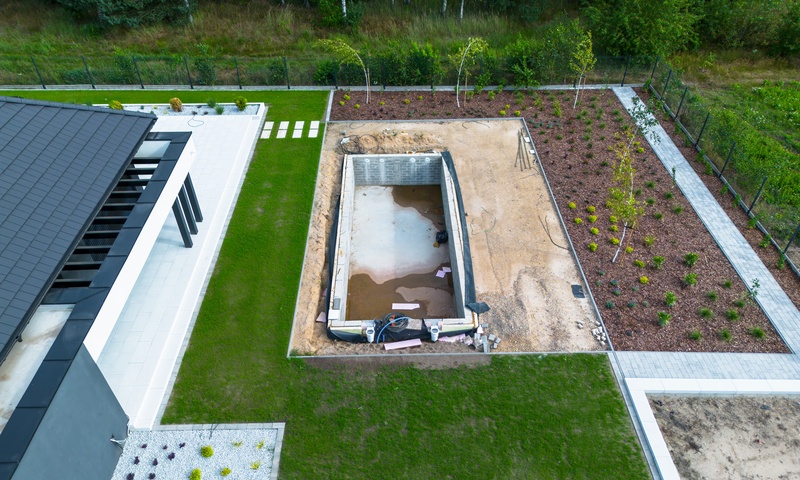
Your backyard has the potential to become much more than a patch of grass or a place to store unused gardening equipment. With thoughtful planning, it can become a comfortable, functional extension of your home.
However, transforming an outdoor space requires more than choosing attractive furniture and planting colorful flowers. Proper preparation prevents complications and protects existing landscape features. Also, it creates a solid foundation for future improvements. Whether you’re considering a swimming pool, an outdoor kitchen, or a complete landscape redesign, understanding how to prepare your backyard for a major transformation makes the process more organized. It also makes the process more manageable.
Evaluate Your Backyard’s Current Condition
Before making significant changes, examine your backyard to understand its existing features, limitations, and opportunities. Pay attention to how sunlight moves across the property. Some areas may receive direct sunlight throughout the day, while others remain shaded by trees or nearby buildings. These conditions influence the placement of seating areas, gardens, a swimming pool, and other outdoor features.
Ground conditions are equally important because uneven surfaces, compacted soil, and areas where rainwater collects may require attention before construction begins. Identify existing elements worth preserving, including mature trees, established flower beds, and usable patios. Keeping these features can help the redesigned landscape feel more natural. Additionally, it helps reduce work.
Define Your Outdoor Space’s Purpose
A successful backyard transformation begins with a clear understanding of how you want to use the finished space. Some homeowners prefer a peaceful garden for relaxation, while others envision an entertainment area with comfortable seating, cooking facilities, and room for gatherings. Establishing these priorities early ensures that every improvement serves a practical purpose.
Consider your household’s daily activities and how those needs might change over time. Families with children appreciate open play areas, while gardening enthusiasts might prioritize planting beds and accessible pathways. Dividing the backyard into functional zones helps organize different activities without making the space feel crowded.
Clear Clutter and Unnecessary Vegetation
Preparing the physical space is an important step before introducing new landscaping or permanent structures. Begin by removing broken furniture, unused equipment, fallen branches, and other items that no longer serve a purpose. Overgrown shrubs and unwanted vegetation can also interfere with the proposed layout, making it difficult to visualize the finished design.
However, clearing the backyard doesn’t mean removing every existing plant. Healthy trees and established greenery provide shade, privacy, and visual interest that enhances the completed landscape. When extensive tree removal or root excavation is necessary, professional assistance protects nearby structures and underground utilities.
Plan Major Installations Before Decorative Features
Large outdoor additions should influence the overall backyard layout rather than being fitted into whatever space remains after smaller improvements. Swimming pools, patios, pergolas, and outdoor kitchens require substantial preparation. Therefore, it is important to establish their locations before installing pathways, planting beds, or decorative features.
For example, swimming pool construction may involve excavation, plumbing, electrical connections, drainage adjustments, and surrounding landscape improvements. One of the many benefits of working with a full-service pool company is that coordinated planning supports projects involving several interconnected outdoor elements. The same principle applies to other major installations. This is because coordinating structural work before finishing the surrounding landscape can prevent disruption and repeated construction.
Address Drainage and Soil Conditions
Proper drainage is essential for maintaining a functional outdoor environment, particularly in areas that experience frequent rainfall. Poor water management can contribute to muddy lawns, soil erosion, standing water, and deterioration around outdoor structures. Observing how water moves across your property during heavy rainfall allows you to identify locations requiring improvements.
Depending on the landscape, drainage solutions may include adjusting surface slopes, introducing drainage channels, or incorporating features that manage runoff naturally. Soil quality also deserves attention. Compacted or nutrient-poor soil can make it difficult for grass, flowers, and shrubs to establish healthy roots. Addressing these conditions before planting or construction creates a more reliable foundation for long-term landscaping.
Consider Privacy, Lighting, and Accessibility
An attractive backyard should also provide comfort, privacy, and convenient movement between different areas. If neighboring properties overlook your outdoor space, strategically positioned hedges, decorative screens, or fencing creates more secluded areas. These features do so without making the landscape feel enclosed.
Lighting deserves similar consideration because outdoor spaces often remain useful after sunset. Pathway lighting improves visibility, while softer illumination around seating and dining areas creates a welcoming atmosphere. Walkways should connect frequently used spaces conveniently, with stable surfaces that accommodate everyday movement. For example, a direct pathway between the kitchen and an outdoor dining area can make entertaining considerably easier.
Prepare for Construction and Temporary Disruption
Major backyard renovations involve temporary inconvenience, particularly when construction equipment, building materials, and workers need access to the property. Before work begins, identify suitable access routes and storage areas. At the same time, protect existing plants, paving, and structures that will remain in place.
Underground utilities should also be located before excavation to reduce the risk of damage. Coordinating the general sequence of construction activities prevents different stages from interfering with one another, especially when several installations are involved. Since weather conditions can affect excavation, concrete work, and planting, allowing flexibility in the project schedule makes delays easier to manage.
Think About Long-Term Maintenance
A redesigned backyard should remain enjoyable long after the initial improvements are complete. Consider how much time you’re willing to dedicate to maintaining lawns, flower beds, outdoor structures, and other landscape features. Large grassy areas may require frequent mowing, while extensive gardens can involve seasonal pruning, watering, and upkeep.
Choosing regionally appropriate plants, durable paving materials, and practical irrigation systems can help simplify maintenance. Storage is another useful consideration. Gardening equipment, outdoor cushions, and seasonal accessories need suitable places to stay when they’re not being used. Selecting features that complement your local climate and everyday routine helps preserve the appearance and functionality of the outdoor space.
Review the Complete Design Before Starting
Before construction begins, review the proposed layout to ensure that major features fit comfortably within the available space. It is also important to ensure that pathways connect different areas naturally. Consider how the backyard will look from inside the house and how the landscape may change as plants mature.
Learning how to prepare your backyard for a major transformation also means anticipating future needs rather than focusing exclusively on immediate visual improvements. Reviewing these details before construction can help you avoid making adjustments and create a more cohesive finished environment.
Bringing Your Backyard Vision to Life
A successful backyard transformation depends on thoughtful preparation, practical planning, and attention to existing landscape conditions. Evaluating the property, establishing clear priorities, coordinating major installations, and addressing drainage concerns makes the renovation process more manageable. By considering accessibility, comfort, and future maintenance from the beginning, you can create an outdoor environment that remains attractive. Additionally, it remains functional and enjoyable for years to come.
Would you like to receive similar articles by email?

Danuta Smoluk
Danuta Smoluk is a teacher with over three decades of experience teaching both children and adults. She specializes in teaching the Polish language to English-speakers. She has a master's degree in primary and early childhood education from WSP Słupsk (currently Pomeranian University in Słupsk) and had her degree validated by University of Toronto. Aside from education, she also has an interest in real estate and home improvement. She has planned and supervised many house renovations. She loves interior design, cooking, and gardening.


You May Also Like

Understanding Common Indoor Plant Problems
How To You Know When to Remodel Your Pool
