How Pond Liners Protect Sustainable Water Features
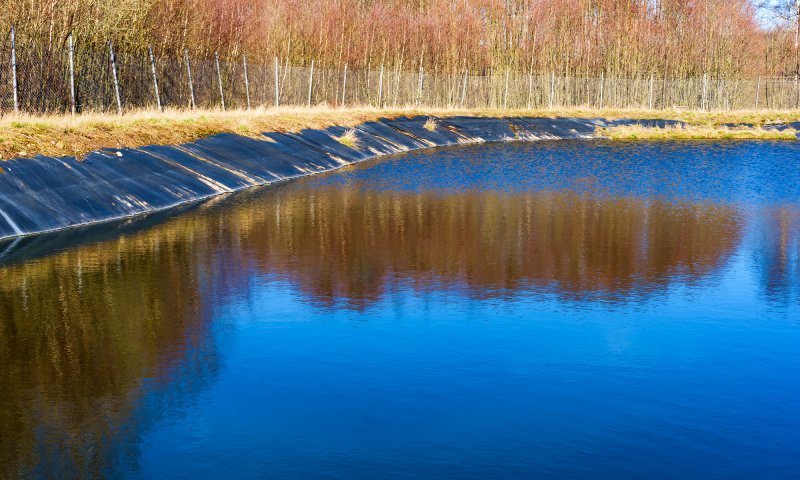
Every reliable water feature starts with a solid structural foundation. Beneath the plants, pumps, and decorative elements lies a component that holds everything together—the pond liner. Whether you’re managing a koi pond in a suburban backyard or overseeing a stormwater collection basin for public infrastructure, the liner determines how well the system holds water and protects the surrounding environment.
Prevents Water Loss from Seepage
Exposed soil cannot retain water effectively, even when compacted (EPA). Without a liner, moisture escapes slowly but steadily, causing the water level to drop and forcing constant refilling. Constantly adding new water to offset seepage increases overall consumption and works against long-term sustainability efforts.
A quality pond liner blocks seepage entirely by forming a watertight barrier between the soil and stored water. In addition to stopping leaks, liners prevent root systems from nearby plants or trees from infiltrating the pond. Root systems from surrounding vegetation often stretch toward pond areas and can puncture unlined bases, compromising the structure over time.
Controls Chemical Leaching Into the Ecosystem
A liner also prevents contaminants from migrating into the pond from the surrounding ground. Fertilizer runoff, vehicle oil, or buried construction debris can leach into open water if no barrier exists (EPA). Contaminants such as fertilizer, oil, or debris pose an immediate threat to fish, amphibians, and aquatic plants once they enter the pond.
Pond liners protect sustainable water features by locking out harmful substances like fertilizers, oils, and other pollutants. A sealed base maintains consistent water quality, reducing the need for filtration or treatment. In a protected system, natural biological cycles can regulate themselves without frequent human correction.
Supports Sustainable Irrigation Systems
Many households and municipalities now use pond water as part of larger conservation strategies. Homeowners pump stored water into vegetable gardens, while urban planners build stormwater basins that feed into drip irrigation networks.
Pond liners protect sustainable water features by holding water in place until it is redirected for irrigation or landscape maintenance. Without a liner, the captured supply disappears underground before it reaches crops or landscapes. The liner maintains stored volume, which supports water reusability and reduces dependence on municipal or well water.
Drives Future Innovations in Protection
Engineers continue to advance the future of pond liner materials to meet higher sustainability standards. Some manufacturers now produce liners made from recycled resins that still meet durability and UV-resistance requirements for long-term use. Others develop surfaces that reduce algae buildup by reflecting specific wavelengths of light.
Ongoing research may soon yield liners with self-repairing properties. Early versions of these membranes show promise for sealing punctures automatically using reactive nanomaterials.
As new options emerge, the ability to install once and minimize repairs becomes more realistic. Self-healing liner technology adds another layer of protection for ecosystems that depend on water consistency.
Creates Low-Maintenance Eco Habitats
A high-performance liner eliminates many of the problems that increase workload for pond owners. Seepage no longer forces frequent water top-offs. Contaminant control improves water clarity and reduces the need for chemical adjustments. The combined effect of water retention and reduced contamination saves time and lowers long-term maintenance costs.
Ponds with consistent conditions also support healthier ecosystems. Frogs, beneficial insects, and aquatic plants all thrive when water temperature, level, and chemistry stay stable. The liner allows nature to take over without constant intervention by creating a self-sustaining habitat that rewards careful planning.
Pond Liner Materials & Lifespan Comparison
| Material | Typical Lifespan | Best For |
|---|---|---|
| EPDM Rubber | 20–40+ years | Irregular shapes, fish-safe, UV/ozone resistance |
| Reinforced Polyethylene (RPE) | 20–35 years | Large/rugged sites, puncture resistance, lighter install |
| PVC (Polyvinyl Chloride) | 10–20 years | Small/temporary features, budget-conscious DIY |
| Butyl Rubber | 15–30 years | High flexibility, legacy installations |
| HDPE (High-Density Polyethylene) | 15–25 years | Commercial/agricultural, chemical resistance, large panels |
Lifespan ranges reflect proper installation, UV protection, and maintenance (Midwest Pond Features). Actual service life varies with site conditions, climate, and installation quality.
Choosing the Right Liner Material
EPDM remains the go-to for ornamental ponds and water gardens—its flexibility conforms to shelves, curves, and plant pockets, and it is certified fish-safe. RPE excels in large agricultural, stormwater, or aquaculture ponds where tear resistance and lighter weight speed installation. HDPE is specified for industrial, landfill, or chemical-exposure applications where its rigidity and chemical resistance are required. PVC suits small, temporary, or budget-constrained projects but degrades faster under UV exposure. Butyl offers premium flexibility at higher cost and is now less common since EPDM matched its performance (Western Liner).
Illustrative Cost Ranges (Budget Planning Only)
Illustrative only—actual prices vary by supplier, region, thickness, and project size.
- EPDM: ~$0.75–$2.00 per sq ft
- RPE: ~$0.50–$1.50 per sq ft
- HDPE: ~$0.40–$1.00 per sq ft
- PVC: ~$0.25–$0.75 per sq ft
Figures are rough industry averages for material only (not installation) (Planet Liner). For live quotes, contact manufacturers directly.
Installation Quality Determines Longevity
Even the best liner fails prematurely if installed poorly. Professional installation or careful DIY following manufacturer guidelines is critical: use a geotextile underlayment to protect against rocks and roots, ensure seams are welded (HDPE/RPE) or spliced with approved tape/adhesive (EPDM/PVC), and anchor edges in a perimeter trench. Poor seam work is the leading cause of early liner failure (BPM Geomembrane). Western Liner notes that factory prefabrication into large panels reduces field seams and installation risk (Western Liner).
Recyclability & End-of-Life
RPE and HDPE (polyethylene-based) can be recycled through polyethylene recycling streams—contact a plastics recycler such as Polychem USA (BTL Liners). EPDM (synthetic rubber) is not widely recyclable; end-of-life typically means landfill, though some specialty recyclers accept it. PVC recycling is limited and complicated by plasticizers. Choosing a longer-lived material (EPDM/RPE) reduces replacement frequency and total waste over the project life.
Would you like to receive similar articles by email?

Danuta Smoluk
Danuta Smoluk is a teacher with over three decades of experience teaching both children and adults. She specializes in teaching the Polish language to English-speakers. She has a master's degree in primary and early childhood education from WSP Słupsk (currently Pomeranian University in Słupsk) and had her degree validated by University of Toronto. Aside from education, she also has an interest in real estate and home improvement. She has planned and supervised many house renovations. She loves interior design, cooking, and gardening.


You May Also Like
4 Smart Criteria to Know When to DIY vs Hiring a Deck Contractor

4 Tips To Get Your House Ready for Winter