Did You Know Polyurethane Foam Made the Space Shuttle Possible?
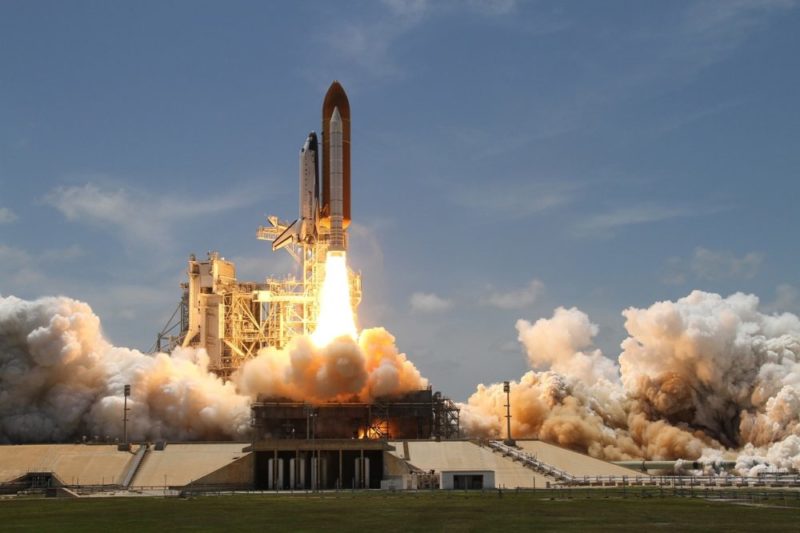
Sometimes it’s all in the details. Something as simple as polyurethane (PU) foam made the modern space shuttle a possibility. This crucial material opened up a range of new options for spacecraft, as well as everyday objects.
Polyurethane is a polymer formed through a chemical reaction between polyols and isocyanates, creating long-chain polymer structures. When in foam form, it acts as an invaluable tool for everyday objects. However, researchers later found that it’s useful in a variety of aerospace applications, particularly insulation, tooling, and protective components.
But how exactly did polyurethane become such an essential tool in the space industry? Well, you’re about to find out!
Polyurethane Foam for the Space Shuttle
In 2016, Orbital ATK (now part of Northrop Grumman), an aerospace developer and manufacturer that specializes in defense, space and aviation, found themselves with an issue. They were aiding in creating rocket boosters for NASA’s Space Launch System (SLS) but were having trouble closing and sealing the nozzles of these boosters. Enter polyurethane to save the day.
PU foam is an incredibly versatile tool that can come in different forms for different applications and needs. Orbital ATK found that General Plastics’ LAST-A-FOAM® FR-4306 was a perfect solution for the nozzle issue.
Because of the extreme conditions that shuttles endure, there are strict requirements for the materials that go into building these objects. For instance, Orbital ATK’s requirements indicated that they needed a substance that had the ability to be machined or shaped into complex geometries, appropriate thickness and a balance of strength and versatility. Additionally, they needed a test model before they could implement anything.
The boosters alone measured 177 feet in length and 12 feet in diameter. The SLS is approximately 322 feet tall when fully stacked. These boosters were critical in launching the first Artemis I mission in 2022, marking SLS’s operational debut.
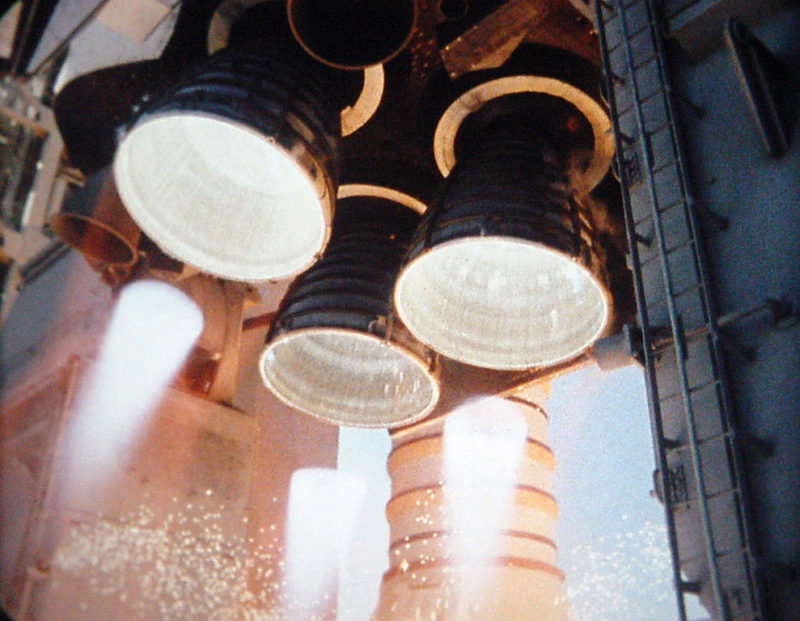
General Plastics’ PU foam covered those requirements and more. Polyurethane foam is also flame retardant, too, which is a must for space shuttle hardware applications depending on subsystem use. Its durability and strength were necessary for the approximately 8.8 million pounds of combined liftoff thrust generated by the SLS core stage and boosters.
With this foam, Orbital ATK found the perfect fit to close and seal the nozzles. From there, polyurethane foam was used in supporting engineering and tooling roles within the broader development process of SLS hardware components.
The Eco-Friendly Material
As forms of PU become more popular and sustainability becomes the center of many concerns, developers are investigating a more eco-friendly alternative.
PU typically has isocyanates—or compounds of highly reactive chemicals—in it, which can be toxic. Because of PU’s components, it also has ecological risks on top of the health risks. Developers want to ensure the sustainability factor for the various types of polyurethane they create. They want to produce PU with the most renewable resources possible, which could be substances like non-consumable vegetable oils.
As a solution, experts suggest a hybrid of non-isocyanate polyurethanes, which act as a more environmentally friendly alternative chemistry pathway, though it is still in early stages of large-scale commercial adoption. Recent advancements have also focused on bio-based PU foams and reducing environmental impacts further, with promising progress over the past few years.
PU has unique and frequent uses that sustainability can improve and reduce the effects of. Advancements in biodegradable polyurethanes could mean more sustainable sourcing and manufacturing practices, turning this material into a renewable resource. That is quite the improvement!
Other Applications of Polyurethane
In 2013, some students from a Houston, Texas high school experimented with gravity and PU. At South Houston High School, these learners took a major step towards the future of PU foam in space.
The high schoolers investigated the necessity and probability of a PU repair kit. Since PU foam is dense and durable, the students knew it was a good source for insulation, building and repairs. So with this kit, experts could hopefully use the foam to repair any cracks or minor damages on space equipment.
In this experiment, they wanted to look at how the foam’s density would hold up in microgravity as opposed to Earth’s gravity. The implications of a test like this could eventually bring about bigger applications of PU. Since test results showed that PU foam reacts quickly and can withstand pressure and density in microgravity, it’s excellent for use in space. This discovery means astronauts can conduct fast and easy foundational repairs while in space. Similar research areas continue today in aerospace materials science, including in-situ repair technologies for spacecraft systems.
With an improvement like that, PU becomes even more valuable.
The Future of Polyurethane Foam
These case studies are only a few of many investigations into Polyurethane foam. And though they occurred several years ago, the ideas still stand—this material is beneficial both on planet Earth and in outer space. Who knows what the future of polyurethane may hold with advancements like these?
Would you like to receive similar articles by email?

Megan Ray Nichols
Megan Ray Nichols is a freelance writer, amateur astronomer, and science enthusiast. She loves to travel and read books.


You May Also Like

Choosing the Right Material for Medical Device Enclosures
How Did Dwarf Planet Makemake Get Its Name