What Couples Forget When Planning Multi-Day Weddings
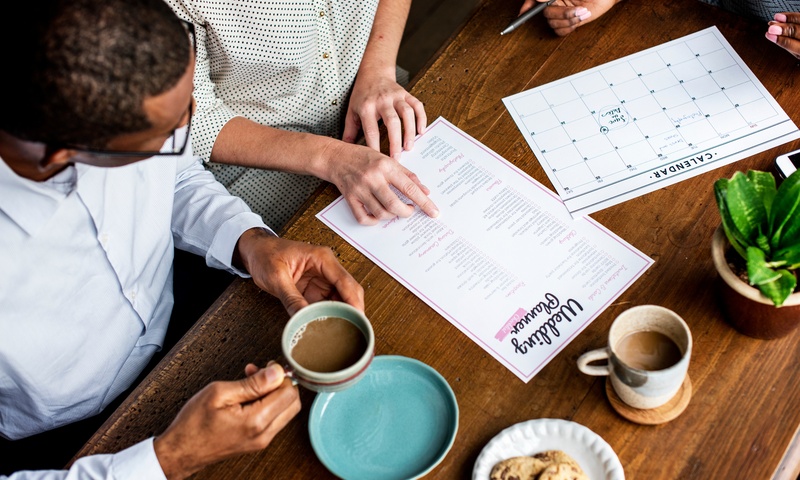
Planning a wedding that spans several days can create an unforgettable experience for both couples and guests. From welcome dinners to farewell brunches, multi-day celebrations allow everyone more time to connect and enjoy the occasion. However, while couples often focus heavily on venues, décor, and photography, there are several smaller details that can easily be overlooked during the planning process. Understanding what couples forget when planning multi-day weddings can help reduce stress and create a smoother experience for everyone involved.
Guest Energy and Downtime
One of the most common mistakes couples make is overpacking the schedule. While it may seem exciting to fill every hour with activities, guests often need downtime between events. Traveling, socializing, and attending multiple celebrations in formal attire can become exhausting quickly.
Instead of scheduling back-to-back events every day, leave room for guests to relax, explore the area, or simply recharge. This is especially important for destination weddings where guests may also want time to enjoy local attractions. A balanced itinerary helps everyone stay energized and present throughout the celebration.
Transportation Logistics
Transportation is another detail that frequently gets overlooked. Guests may be unfamiliar with the area, and coordinating rides between hotels, ceremony sites, and reception venues can become stressful without clear planning.
Providing transportation schedules, shuttle services, or ride-share recommendations can make a major difference. Couples hosting weddings in scenic destinations often benefit from choosing accommodations and venues that minimize complicated travel arrangements. Knowing how to plan a destination wedding without the stress is a necessary skill so you, as well as your guests, are able to enjoy the occasion.
Communication Gaps
When weddings extend across multiple days, communication becomes even more important. Guests need clear information about dress codes, event times, locations, transportation, and meal expectations.
Many couples assume guests will naturally keep track of details, but confusion can arise quickly if schedules change or information is scattered across emails and invitations. Creating a wedding website or digital itinerary helps guests stay informed throughout the weekend.
Simple communication tools also reduce the number of last-minute questions couples receive during the event itself.
Budget Creep Across Multiple Events
Couples often underestimate how quickly costs increase when adding welcome parties, excursions, rehearsal dinners, and brunches. Individually, each event may seem manageable, but together they can significantly stretch the wedding budget.
Rather than trying to make every gathering elaborate, prioritize the experiences that matter most. Some events can remain casual while still feeling meaningful. Guests usually remember the atmosphere and quality time more than expensive extras.
Careful budgeting also leaves more room for unexpected expenses that commonly arise during larger wedding weekends.
Vendor Coordination
Managing vendors across several days requires far more coordination than a single-day wedding. Photographers, caterers, florists, entertainment teams, and transportation providers may all operate on different schedules.
Couples sometimes forget to build extra setup time into the schedule or fail to assign someone to oversee communication during the events. Having a planner or trusted family member handle logistics can prevent unnecessary stress and keep everything running smoothly.
Conclusion
At the heart of what couples forget when planning multi-day weddings is the guest experience itself. A well-planned celebration is not just about beautiful venues or packed itineraries. It is about creating an atmosphere where everyone feels comfortable, connected, and able to fully enjoy the occasion from beginning to end.
Would you like to receive similar articles by email?

Dr. Jade Marie Tomaszewski
Dr. Jade Marie Tomaszewski is a pathologist-in-training at McGill University, where she also did her degree in MSc Pathology. She obtained her medical degree (MD) from the University of the Philippines, after completing a BSc in Molecular Biology and Biotechnology. In her (little) spare time, she enjoys spending time with family, curling up with a book and a large mug of tea, and trying out new recipes in the kitchen. You can follow her on LinkedIn and Twitter.


You May Also Like

Dumpling Bag: The Must-Have Accessory

5 Benefits of Living Close to Loved Ones in Retirement