How To Plan an Outdoor Renovation for Long-Term Enjoyment
A backyard renovation can transform an underused patch of property into a comfortable extension of the home. But creating a space that still works 5 or 10 years later requires more than choosing attractive pavers, planting a few shrubs, and finding somewhere to put the grill.
Planning an outdoor renovation for long-term enjoyment means considering how the space will be used, how much maintenance it will require, and how well individual features work together. Designing around those practical considerations allows homeowners to create outdoor areas that remain useful even as routines, preferences, and households change.
Start With How the Space Will Be Used
Before choosing any materials or selecting specific features, think about what currently happens outdoors and what could happen there in the future. A household that frequently hosts friends may prioritize seating, shade, lighting, and convenient access to the kitchen. Someone who prefers quiet evenings outside might value privacy and comfortable lounge areas instead. And families may need open space for children now but want an area that can serve another purpose later.
Creating a short list of outdoor priorities prevents the project from becoming a collection of unrelated upgrades. Consider activities such as:
- Outdoor dining and cooking
- Entertaining
- Swimming and recreation
- Gardening
- Relaxing and reading
- Children’s play
- Pet-friendly areas
The goal isn’t necessarily to accommodate everything. It’s to determine which activities deserve the most space and which can comfortably share an area in the yard.
Evaluate What Is Already There
Backyard renovation doesn’t always mean starting from scratch. Existing patios, mature trees, pools, decks, fences, and landscaping may still have considerable value.
Take inventory before deciding what needs to disappear. A mature shade tree, for example, provides something that newly planted landscaping may take years to reproduce. An aging patio might need resurfacing rather than replacement.
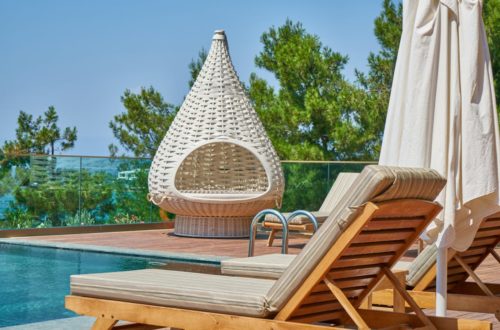
Existing outdoor features also reveal opportunities to improve the overall layout. Swimming pools are a good example because their usefulness depends partly on what surrounds them. Changes to decking, seating areas, access, and adjacent landscaping make the entire backyard function differently. Even pool renovations can improve backyard functionality when updates address how the pool connects with the surrounding outdoor environment.
Design Around Movement
One of the less glamorous parts of backyard design is also one of the most important: figuring out where people will walk. Paths between the house, patio, lawn, pool, garden, and other frequently used areas should feel intuitive. If reaching the dining table requires squeezing between furniture or walking across wet grass, that inconvenience will become more noticeable over time.
Consider carrying groceries to an outdoor kitchen, moving gardening supplies, supervising children, or walking through the yard after dark. These everyday movements can reveal where pathways, gates, lighting, and entrances should go. Generous circulation space also makes outdoor areas easier to rearrange later.
Choose Materials for the Local Environment
Outdoor materials have a tougher job than their indoor counterparts. They may encounter rain, intense sunlight, freezing temperatures, humidity, insects, dirt, and dramatic seasonal changes.
Material selection should consider climate as well as appearance. Some surfaces can become uncomfortable in strong sunlight, while others may be vulnerable to freeze-thaw cycles or require frequent sealing.
Maintenance matters, too. Natural materials may develop character as they age, but some require more upkeep than manufactured alternatives. Neither approach is inherently better; the practical choice depends on how much maintenance a homeowner realistically wants to perform.
Plan for Shade, Light, and Weather
A patio that looks wonderful at noon in April may feel entirely different during an evening in August. Observe how sunlight moves through the property before finalizing the layout.
Trees, pergolas, covered areas, umbrellas, and other shade features make outdoor spaces usable for longer periods. In cooler climates, sunny areas may be desirable during parts of the year, making a combination of shaded and exposed spaces particularly useful. Lighting deserves similar attention. Rather than relying on one extremely bright fixture, consider layers of illumination for pathways, steps, dining areas, entrances, and gathering spaces.
Drainage should also be addressed early. Water needs somewhere sensible to go after heavy rain, and landscaping, patios, and structures shouldn’t unintentionally redirect it toward the house or frequently used yard areas.
Build Flexibility Into the Layout
Households change, and outdoor spaces should be able to change with them. Permanent construction makes sense for major structural elements, but not everything needs to be fixed in place. Movable seating, modular furniture, planters, and adaptable open areas allow homeowners to adjust the backyard without another major construction project.
Infrastructure can also anticipate future changes. When practical, planning electrical access, irrigation, drainage, or utility routes during the initial project may make later improvements less disruptive. A flexible layout is particularly useful when renovating a home that the household expects to occupy for many years.
Set Priorities Before the Project Expands
Outdoor projects have a habit of growing. A patio replacement suddenly suggests new landscaping, which makes the fence look tired, which raises the question of lighting—and soon the original project bears little resemblance to the final wish list.
Separating essentials from optional improvements allows homeowners to maintain focus. Structural repairs, drainage, access, and other foundational work generally deserve attention before decorative additions.
Projects can also be divided into phases when the overall design is established in advance. The important part is ensuring that today’s work won’t have to be removed to accommodate tomorrow’s improvement.
Create a Backyard That Can Age Gracefully
The most satisfying outdoor spaces aren’t necessarily the ones with the greatest number of features. They’re the ones that make everyday outdoor living easy.
Planning an outdoor renovation for long-term enjoyment means looking beyond immediate backyard appearance. Movement, climate, maintenance, existing features, and future flexibility all influence whether a backyard remains enjoyable once the novelty of the renovation has faded.
A thoughtful outdoor design plan gives each improvement a purpose and helps the entire yard work as a cohesive space. The result is an outdoor environment designed not simply for its first summer, but for many seasons to come.
Would you like to receive similar articles by email?

Danuta Smoluk
Danuta Smoluk is a teacher with over three decades of experience teaching both children and adults. She specializes in teaching the Polish language to English-speakers. She has a master's degree in primary and early childhood education from WSP Słupsk (currently Pomeranian University in Słupsk) and had her degree validated by University of Toronto. Aside from education, she also has an interest in real estate and home improvement. She has planned and supervised many house renovations. She loves interior design, cooking, and gardening.

You May Also Like

How to Move and Downsize Simultaneously
Is It Time To Replace Your Home’s Window Wells?