How to Help Children Overcome Back-to-School Anxiety and Make the Transition Smoother
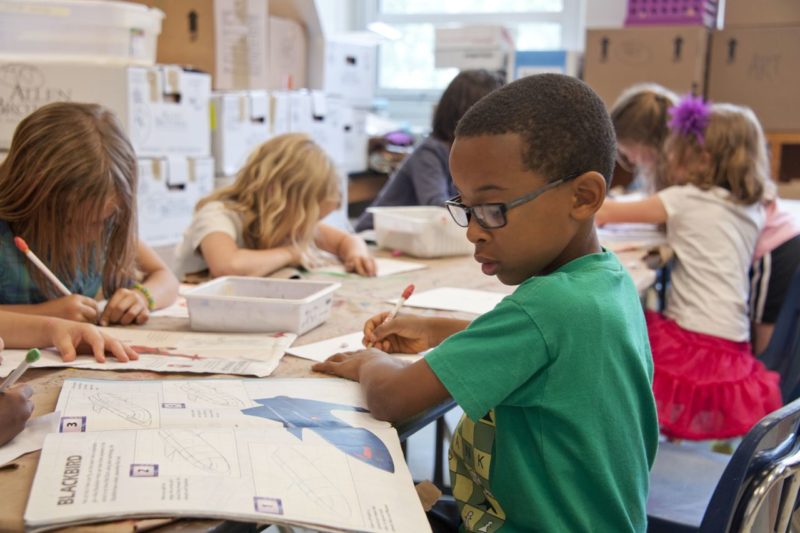
The summer sun is already feeling like it’s starting to fade as parents and students count down the days to the start of the new school year. If you’re looking for ways to help your child overcome back-to-school anxiety, you are not alone. Your child may be feeling apprehensive, especially if they have graduated into the next era of schooling. Some excitement may be there, too, but it can all culminate in anxiety. Your job is to make your child feel secure and empowered as they walk into those school doors, so use these tips to create an action plan.
Listen and Create a Bravery Plan
The most important voice in this conversation is your child’s. Offer them a space to express their fears and anxieties as they head into the new school year. You can practice active listening and normalize their nervousness with affirmative phrases. Let them know many people feel the way they feel, while validating their perspective. You will establish a safe space, letting your child know they can bring up any other fears if they think of them later.
Now, you’ve brainstormed a list of anxieties. One of them could be a fear of not knowing people in class after their best friend moved away, or of the school being bigger and getting lost. Whatever it may be, you can make a bravery plan inspired by it.
For example, you could practice conversation starters to help your child feel confident making new friends, or schedule a day to go on a school tour to establish their footing. Bringing a tangible activity to these fears will make it easier for the learner to process their feelings, as they will feel greater control. If they continue to feel a lack of agency or worry that they will not succeed, it may be time to supplement your efforts with therapy to ensure they have all the tools they need.
Make Preparations a Hands-On, Confidence-Building Activity
If the student feels involved in their preparations, rather than you taking care of everything, they will see it as exciting rather than daunting. They become familiar with the activities they need to do to combat and mitigate anxiety through hands-on experience.
Here are a few ways to practice preparations with your child:
- Delegate tasks: Ask your child to locate or organize school supplies throughout the home, or make decisions about what they want for lunch. This helps them understand how preparation reduces anxiety and supports strong decision-making later.
- Do a few practice runs: Before the school year, run through a few play scenarios where you practice getting ready for school in the morning, so it feels as low-pressure as possible when the day comes.
- Create checklists: Design a to-do list that makes sense to them, providing concise yet clear instructions on how to get ready and go about their day until they return and do homework.
Preparation exercises help expose children to environments and experiences that foster more positive thinking rather than anxiety.
Harness the Anxiety-Reducing Power of Physical Movement
Practicing the school experience beforehand can reduce anxiety, but there are many other ways to help with coping and emotional regulation. Incorporating joyous physical activity throughout the week can help students burn off excess nervous energy and find an outlet for their stress. It can also improve sleep and concentration during the school day, making them feel more awake and alert.
Encourage free play and physical movement, or schedule in light workouts if routine is better for your child and their peace of mind. Aerobic activities may be some of the best for combating anxiety, so find what your child likes and incorporate it. This could include:
- Bike riding
- Swimming
- Exercise-based video games
- Dancing
- Unstructured yard play
- Running
- Climbing, especially on playground equipment
Play therapy is another way to integrate movement into their schedule without feeling like a chore. It encourages self-exploration and conflict resolution, alongside running, jumping and letting the imagination wander freely. Eventually, your kid will associate movement with a positive mood, helping them understand that they can move their body when they feel anxious.
Gradual Exposure and Familiarization
Many students may feel anxious about school because of the many unknowns. Therefore, increasing familiarity and reducing these uncertainties will reduce anxiety, especially if they are experiencing school refusal.
For example, having new teachers can feel scary, but scheduling meetings to introduce your child to them before may be wise. You could also join local parent groups with children of similar ages, and arrange before-school playdates with children they will be in class with.
These sneak peeks into what life will be like can be game-changing for setting expectations. Plus, it reduces the number of stressful scenarios a student may conjure when they don’t know what they’re getting into.
Championing the Back-to-School Season
Every learner could be simultaneously experiencing a sense of wonder, hoping the coming year will be full of memories, friendship and easy A’s. Sometimes anxiety dampens optimism, and you have many options for taking these burdens off your children. By being a great listener and an empathetic planner, you can instill confidence in your child that will last a lifetime.
Would you like to receive similar articles by email?

Tessa Dodson
Tessa Dodson is the Senior Writer of Classrooms.com who is passionate about supporting teachers, providing insights to students, and improving classroom environments. She specializes in covering educational trends, professional development, and practical strategies that lead to success.


You May Also Like
The Best Practices for Setting Up a Sensory Room in Your School

Best Educational Book Companies That Teach Real-World Lessons