Why On-Demand Vet Care Is the Next Big Shift in Pet Ownership
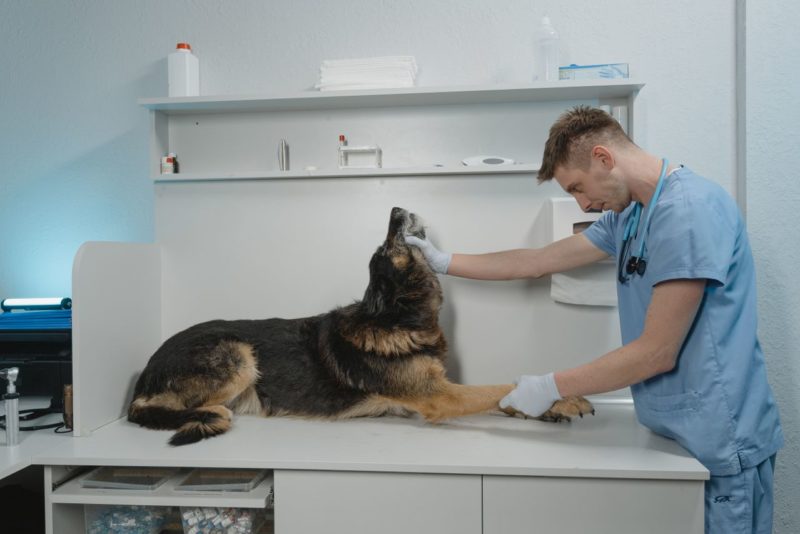
A sick pet can turn an ordinary evening into a string of urgent decisions. Who is open? How will we get there? Will the cat go into its carrier? Can the dog manage the trip? For years, the answer to veterinary care has usually meant leaving home. That is beginning to change. We can now contact services that assess urgent needs by phone and, when suitable, send a vet to the pet. It is a shift that makes sense to owners who expect to get help when they need it, including outside normal clinic hours.
We should still ask what this change means for the pet, not just for our schedule. A home visit may spare an unwell animal a difficult journey. It may also give an owner a faster way to speak with a veterinary team. Services offering round-the-clock care at your door are part of this growing approach to urgent care. Yet some pets will need a clinic’s equipment or a hospital stay. The useful promise of on-demand care is choice guided by a vet’s assessment. This article looks at why that choice appeals to modern owners, how doorstep services fit into emergency care, and what to check before you need one.
Why does speed now shape the way owners seek pet care?
When a pet seems unwell, the first delay often comes before the journey begins. You must find an open service, explain the problem, and work out where to go. An on-demand service gives you a direct point of contact. The team can ask about your pet’s signs and advise what to do next. That first conversation matters because “fast” should mean reaching sound advice quickly, not simply booking the nearest visit.
Owners also have less patience for a care system that is hard to navigate. They want to know who can help, when help is available, and what it may cost. Doorstep services speak to that need for clear access. They can be useful when travel is difficult, especially outside normal hours. Response times will still vary by location and demand, so ask how soon a vet may arrive. If your pet needs clinic care sooner, the veterinary team can direct you there.
- Keep an urgent care number saved before you need it.
- Say when your pet’s signs began and how they have changed.
- Ask whether a home visit or clinic trip is the advised next step.
What makes a home visit useful for pets and owners?
The appeal of care at home goes beyond saving a journey. Some pets find cars, carriers, and waiting rooms hard to cope with. At home, they remain among familiar people, sounds, and smells. You can speak with the vet where you first noticed the problem. That may help you recall details, such as when your pet last ate or how its behaviour changed. A familiar setting does not treat an illness, but it can make the visit easier to manage.
For owners, the gain is practical. You do not have to arrange transport before making the first call. You can gather medicine packs or records while waiting for advice. You may also find it easier to ask questions in your own home. Still, a visit is suitable only when the vet can give the care your pet needs there. A pet that needs tests, surgery, or close watch may need to go to a clinic. Home care works best when it leads to the right decision, even if that decision involves travel.
- Ask what the visiting vet can assess and treat.
- Have your pet’s medicines and recent records ready.
- Check how a move to a clinic would be arranged if needed.
How do doorstep services fit into emergency vet care?
On-demand care adds a route to professional help; it does not replace your regular vet. Your usual practice knows your pet’s history and helps with routine and ongoing needs. An emergency home service may help when an urgent concern comes up after hours or when travel is difficult. The two can work together when visit notes reach your regular vet. That way, follow-up care starts with a clear record of what happened.
The limits of a home visit should be clear from the first call. A vet may be able to examine your pet and provide care at home. They may also decide that clinic equipment is needed. Ask the team what happens in either case. You should know the likely arrival time, the cost of the visit, and where you would go if your pet needs more care. Clear answers let you focus on your pet instead of trying to work out the process under pressure.
- >What does the visit fee include?
- How long might it take for a vet to arrive?
- What happens if my pet needs hospital care?
- Will my regular vet receive a record of the visit?
How can you prepare for this new way of seeking care
A little planning makes an urgent call much simpler. You do not need to predict every problem your pet could face. You need a reliable way to reach advice and a few facts close at hand. Start with your regular vet’s out-of-hours arrangements. Then check whether a home visit service covers your area. Save the details in your phone and in a place another person at home can find.
- Keep a short health note: Record your pet’s age, medicines, and ongoing health concerns. Add the date of any recent treatment.
- Save both care options: Keep numbers for your usual vet and an emergency service. Check their hours and service areas.
- Know where the clinic is: A home visit may lead to further care. Save the address and plan how you would travel.
- Call when you are unsure: Describe what you see and let a veterinary team advise you. Guessing at the cause can waste time.
The next shift is a clearer path to the right care
Pet owners are looking for care that is easier to reach and quicker to act on. Doorstep emergency services answer part of that need by bringing veterinary help closer to home. Their value is not measured by convenience alone. It lies in a clear first call, a professional assessment, and a plan that fits the pet’s condition. Sometimes that plan is care at home. Sometimes it is a trip to a clinic.
Conclusion
We can make the most of this choice by preparing before an urgent need arises. Check which services cover your area, save their numbers, and keep your pet’s health details handy. Then, if something feels wrong, call a veterinary team promptly. Ask what your pet needs next and follow that advice. A few minutes of planning today can help you reach the right care when it matters most.
Would you like to receive similar articles by email?

Danuta Smoluk
Danuta Smoluk is a teacher with over three decades of experience teaching both children and adults. She specializes in teaching the Polish language to English-speakers. She has a master's degree in primary and early childhood education from WSP Słupsk (currently Pomeranian University in Słupsk) and had her degree validated by University of Toronto. Aside from education, she also has an interest in real estate and home improvement. She has planned and supervised many house renovations. She loves interior design, cooking, and gardening.


You May Also Like
Smart Home Devices That Work With Solar Energy

Top Safety Tips for Building Backyard Play Areas