How a New Roof Improves Energy Efficiency and Home Value
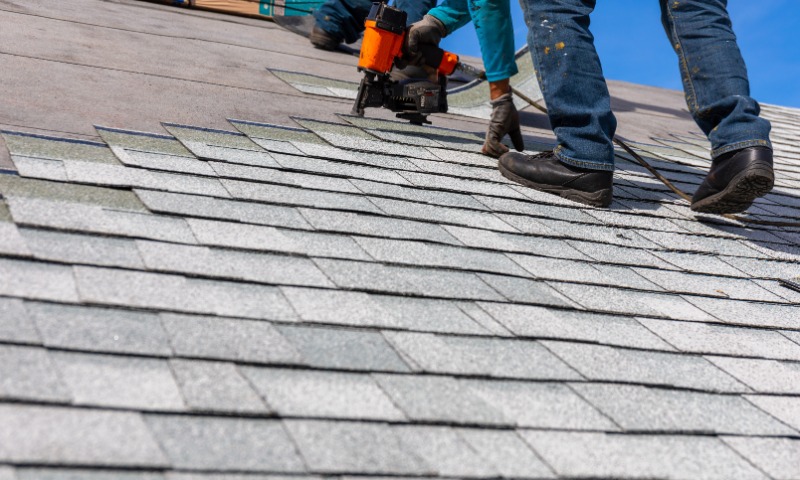
A roof does much more than protect a home from rain and wind. It also affects indoor comfort, monthly utility costs, and long-term property value. Replacing an aging roof with modern materials creates noticeable improvements that benefit homeowners for years. Understanding how a new roof improves energy efficiency and home value helps homeowners make informed decisions before small issues become larger expenses.
Modern Roofing Materials Reduce Energy Loss
Today’s roofing products offer better insulation and improved heat reflection than many older materials. Quality shingles and underlayment help reduce unwanted heat transfer throughout every season.
A well-installed roof keeps conditioned air inside the home more effectively. Lower energy demand often leads to reduced heating and cooling costs over time.
Better Ventilation Supports Indoor Comfort
A new roofing system often includes updated ventilation that improves attic airflow. Proper ventilation reduces heat buildup during summer while limiting excess moisture throughout the year.
Balanced airflow helps heating and cooling systems operate more efficiently. These improvements create a more comfortable indoor environment without placing unnecessary strain on HVAC equipment.
Features That Add Lasting Value
Homebuyers often appreciate homes with recently installed roofing systems because they expect fewer maintenance concerns. A newer roof also enhances curb appeal by giving the entire property a cleaner and more attractive appearance. Improved energy performance adds another selling point that many buyers value. Strong roofing materials also provide greater confidence during severe weather.
Key benefits of a new roof include:
- Lower monthly energy costs through improved insulation.
- Better protection against moisture and weather damage.
- Increased curb appeal that attracts potential buyers.
- Greater confidence in the home’s structural protection.
- Reduced need for frequent roofing repairs.
Timely Replacement Prevents Costly Problems
Waiting too long to replace an aging roof allows minor damage to grow into larger repairs. Homeowners should understand the clear signs it’s time to replace their roof before leaks or structural issues develop.
Missing shingles, recurring leaks, and visible sagging often indicate that replacement deserves serious consideration. Addressing these warning signs early helps protect both the home and the homeowner’s investment.
Higher Home Value Through Stronger Protection
A quality roof contributes directly to a home’s overall market appeal. Buyers often recognize the value of updated roofing because they expect lower maintenance costs after purchase. Professional installation also demonstrates that the home has received proper care over the years. These advantages can strengthen buyer confidence during the selling process.
Long-Term Savings Continue After Installation
Although roof replacement requires an upfront investment, the financial benefits often continue for many years. Improved energy efficiency reduces utility expenses, while durable materials reduce repair costs.
Many newer roofing products also offer extended manufacturer warranties that provide additional peace of mind. Those combined savings help offset replacement costs while increasing the home’s overall value.
A new roof delivers benefits that extend well beyond just energy efficiency and home value. Choosing quality materials and experienced installation helps maximize those advantages throughout the roof’s lifespan. Careful planning today supports lower operating costs and stronger property value well into the future.
Would you like to receive similar articles by email?

Danuta Smoluk
Danuta Smoluk is a teacher with over three decades of experience teaching both children and adults. She specializes in teaching the Polish language to English-speakers. She has a master's degree in primary and early childhood education from WSP Słupsk (currently Pomeranian University in Słupsk) and had her degree validated by University of Toronto. Aside from education, she also has an interest in real estate and home improvement. She has planned and supervised many house renovations. She loves interior design, cooking, and gardening.


You May Also Like
Guide To Modern Home Design in 2026

Smart Home Devices That Work With Solar Energy