7 Types of Neglected Infrastructure That Can Cause Disaster
Many North American cities, such as San Francisco and New York, boast iconic bridges that are instantly recognizable. But across the United States, in cities and rural towns, less well-known structures don’t get the same amount of care and attention. Seven types of neglected infrastructure can cause disaster if city officials delay or ignore inspections and repairs for these structures. The consequences of neglect can be severe. For example, they can include illness, injury, and property destruction.
Water Towers and Water Treatment Facilities
Water towers and water treatment facilities serve critical roles in safeguarding public health. These structures store and treat drinking water, ensuring it is safe for consumption. A lack of regular inspection and maintenance can lead to deterioration, resulting in water contamination.
Aging infrastructure can allow contaminants to enter water systems, including harmful substances such as lead and PFAS (“forever chemicals”). Corrosion in old lead pipes, such as those in Flint, Michigan, can cause public health emergencies. Additionally, extreme weather and cyber threats to water systems have become growing concerns in recent years.
Small Vehicle and Foot Bridges
Bridges for small vehicles and pedestrians, although less imposing than their larger counterparts, are nevertheless integral to transportation networks. Aside from often looking picturesque, these smaller structures facilitate movement and connectivity within communities. However, unlike larger bridges of more than 20 feet in length, the Federal Highway Administration’s National Bridge Inventory generally excludes bridges under 20 feet, although many states and municipalities maintain separate records and have recently received increased funding to address these gaps.
Neglecting these smaller “non-inventory” bridges in suburban and rural communities can compromise their structural integrity, posing a safety risk. State transportation and county government agencies are responsible for inspecting and repairing non-inventory bridges. As a result, these efforts ensure they don’t become tragic examples of neglected infrastructure.
Dams, Levees, and Culverts
Dams, levees, and culverts have the important task of managing water flows and preventing floods. These structures can fail if they fall into disrepair, leading to devastating flooding with potential loss of life, extensive property damage, and water-borne illness spreading from contaminated floodwaters.
Thousands of dams across North America are classified as “high-hazard,” meaning failure could result in significant loss of life. Additionally, many are considered structurally deficient. Increasingly severe storms and changing climate patterns are placing additional stress on these systems. Meanwhile, aging or undersized culverts can worsen urban flooding.
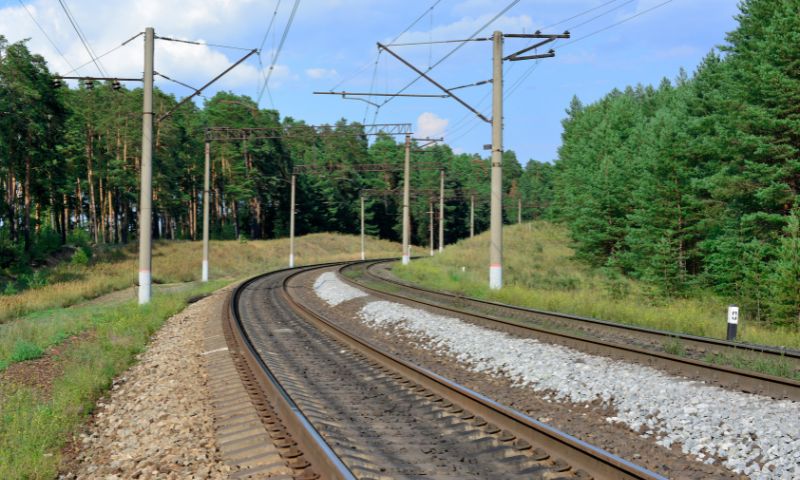
Railroad Tracks and Signals
Railroads and their signals directly impact the safety and efficiency of rail transport. Neglected tracks can cause derailments, while faulty signals can result in collisions. Both scenarios can lead to tragic consequences, including loss of life, interruption of emergency services, and economic disruption.
Recent high-profile derailments involving hazardous materials have also highlighted risks tied to aging equipment, inadequate maintenance, and evolving safety regulations within modern rail systems.
Power Grids
Electric power grids form the backbone of modern society, powering homes, businesses, and essential services. Any neglect can lead to power outages, disrupting everyday life and potentially causing economic losses. Regular inspections, maintenance, and upgrades are necessary to ensure our power grids are reliable and resilient.
Today, power grids also face growing threats from cyberattacks and extreme weather events such as wildfires and ice storms. Increased demand from electrification adds to these concerns. At the same time, the transition toward renewable energy and decentralized systems is placing additional strain on aging grid infrastructure.
Stormwater and Sewer Systems
Stormwater and sewer systems are essential for safely managing wastewater and rainfall in urban and suburban environments. When these systems are neglected, they can become overwhelmed during heavy rain events, leading to flooding, property damage, and contamination of local waterways. Older cities in particular may rely on combined sewer systems, which can overflow and release untreated sewage into streets and rivers during storms. Moreover, aging pipes and increased urban development are further straining these systems, raising the risk of public health hazards.
Roads and Highways
Roads and highways are among the most heavily used types of infrastructure, supporting daily transportation and economic activity. When neglected, issues such as potholes, cracking, poor drainage, and weakened roadbeds can increase the risk of vehicle damage and accidents. Over time, lack of maintenance can lead to more severe structural failures, costly repairs, and disruptions to traffic flow. Meanwhile, extreme weather conditions and growing traffic volumes are accelerating wear and tear on already aging road networks across North America.
Conclusion
Our local and national governing bodies can no longer afford to continue to ignore these seven types of neglected infrastructure that can cause disaster. Therefore, staying informed about infrastructure improvements, inspections, and repairs is crucial. This helps you advocate for safe travel, clean water, and reliable power.
Individuals can also report visible infrastructure issues and support funding initiatives. In addition, they can stay engaged with local planning efforts to help reduce risks in their communities.
Would you like to receive similar articles by email?

Paul Tomaszewski
Paul Tomaszewski is a science & tech writer as well as a programmer and entrepreneur. He is the founder and editor-in-chief of CosmoBC. He has a degree in computer science from John Abbott College, a bachelor's degree in technology from the Memorial University of Newfoundland, and completed some business and economics classes at Concordia University in Montreal. While in college he was the vice-president of the Astronomy Club. In his spare time he is an amateur astronomer and enjoys reading or watching science-fiction. You can follow him on LinkedIn and Twitter.


You May Also Like
5 Types of Excavator Attachments Used in the Construction Industry
5 Common Electrical Problems in a Warehouse