The Most Secure Places to Install a Safe at Home
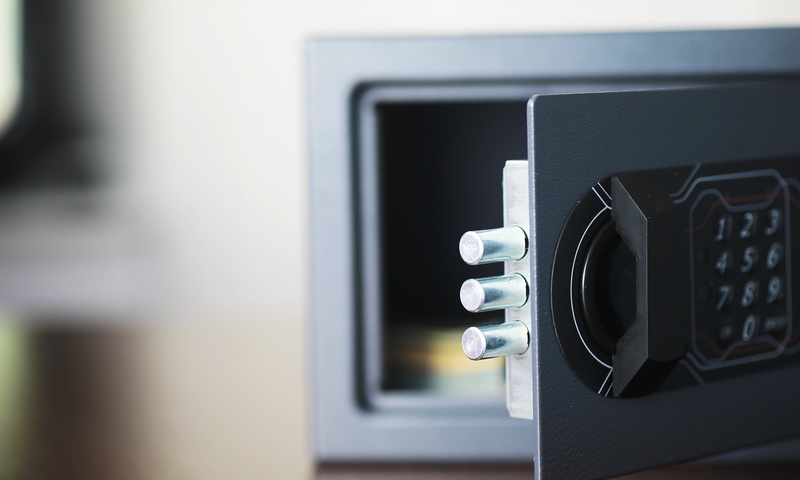
Burglars strike quickly. They want easy targets. Homeowners must outsmart them through strategic planning and fortified installation. A heavy steel box offers zero protection if a criminal simply rolls it out the front door.
Identifying the most secure places to install a home safe requires evaluating structural support, concealment opportunities, and anchoring capabilities.
Anchor To Concrete Slabs
Basements often provide the strongest protection against theft. The concrete foundation offers an immovable anchor point. Heavy-duty masonry bolts driven into the slab make removal nearly impossible without industrial machinery. Thieves lack the time and tools to break these bonds.
Furthermore, basements typically suffer less heat damage during fires. Heat rises, so lower levels remain cooler for more extended periods. This placement offers superior protection for documents and digital media.
Mitigating Moisture Damage
Concrete holds moisture. Steel rusts. Placing a heavy safe directly on concrete encourages corrosion. A rubber mat placed between the metal and the floor blocks water transfer. Alternatively, constructing a small concrete pedestal elevates the unit above potential minor floods.
Fasten To Floor Joists
Wood-frame houses lack concrete floors on upper levels. Here, the safe must bolt directly to the floor joists. Lag bolts provide the necessary grip. The safe’s weight is best distributed near load-bearing walls.
Corners where two exterior walls meet offer the strongest structural support. This placement prevents the heavy unit from crashing through the floor during a structure fire. A collapse risks compromising the safe’s integrity and complicating retrieval.
Conceal Within Wall Studs
Smaller wall safes bolt directly into the framing studs. This method prevents a thief from prying the box out of the drywall. Builders frame walls with 16-inch centers, creating a perfect cavity for these units.
Concealment works as the first line of defense. A painting or full-length mirror hung over the safe hides it from view. Guest bedroom closets offer better concealment than main bedroom closets. Criminals target the primary suite first. A safe hidden in a linen closet or pantry often goes unnoticed.
Reconditioning And Maintenance
Security extends beyond placement. The internal mechanisms require attention. Dealers recondition safes to maximize security by servicing locks and reinforcing the steel bodies. This maintenance ensures the locking mechanism operates smoothly in emergencies. A seized lock renders even the best-placed safe useless. Regular maintenance keeps the bolts moving freely.
Prioritize Structural Integrity
Every home offers unique challenges. A professional assessment identifies weak points. Anchoring the unit to the structure turns a portable box into a permanent fixture. A loose safe aids the burglar. A secured safe frustrates them.
Selecting the most secure places to install a home safe involves balancing accessibility with security. Thieves bypass challenging targets. Make the safe a permanent part of the house structure. Strong anchors, clever concealment, and structural support create a formidable barrier against theft.
Would you like to receive similar articles by email?

Danuta Smoluk
Danuta Smoluk is a teacher with over three decades of experience teaching both children and adults. She specializes in teaching the Polish language to English-speakers. She has a master's degree in primary and early childhood education from WSP Słupsk (currently Pomeranian University in Słupsk) and had her degree validated by University of Toronto. Aside from education, she also has an interest in real estate and home improvement. She has planned and supervised many house renovations. She loves interior design, cooking, and gardening.


You May Also Like
How Cities Prepare and Respond to Natural Disasters

Top API-Friendly DDoS Protection Solutions for Modern Web Infrastructure