Sustainable Practices in Mining: How Modern Mining Pumps Reduce Environmental Impact
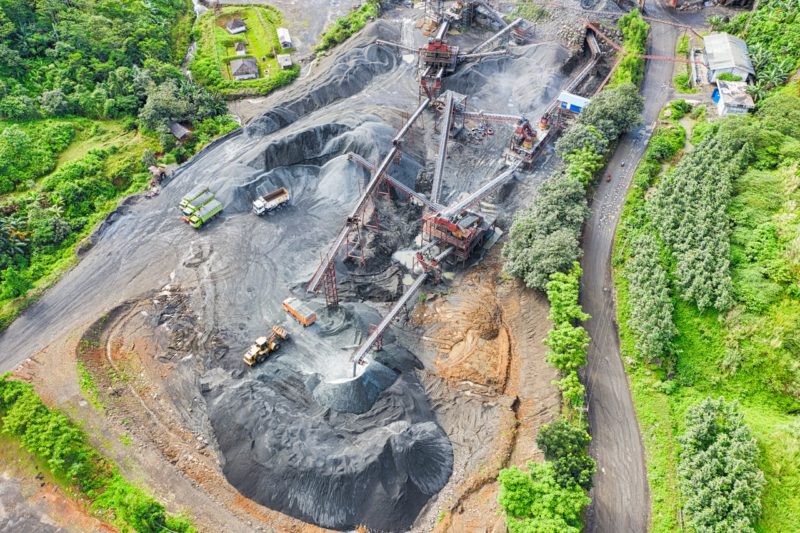
Mining has long been linked to serious environmental challenges, from land degradation and water pollution to the loss of biodiversity. These consequences have driven a growing demand for more sustainable mining practices. This includes land rehabilitation, improved water management, and smarter, more efficient methods of operation. While policies and planning are important to these goals, having the right tools on-site is equally crucial for reducing environmental harm.
One of these essential tools is the modern mining pump. Designed for the efficient handling of water, slurry, and other fluids, these pumps help mining operations manage resources responsibly and reduce waste. By improving how fluids are moved and treated, they help reduce water contamination and prevent flooding. In addition, they promote safer, more effective waste management.
Let’s take a closer look at the ways modern mining pumps contribute to more sustainable mining operations.
1. Improved Water Management and Recycling
Modern mining pumps allow careful handling of water and slurry, making it easier to recycle and reuse fluids within mining operations. In arid environments like much of Australia, efficient water management is especially important, as mines rely on limited freshwater sources. Careful water management reduces dependence on rivers or groundwater, helping conserve vital resources and minimize environmental disturbance.
This optimized circulation and treatment of process water also lowers the risk of accidental contamination and helps protect local ecosystems. Overall, it supports a more sustainable approach to fluid management on-site. It combines operational efficiency with environmental protection.
2. Real-Time Pump Monitoring
Sensors built into modern mining pumps track performance indicators such as flow rate, pressure, temperature, and vibration, giving operators instant insights into pump operation. This feedback allows teams to detect potential issues early. As a result, it helps prevent leaks or other incidents that could contaminate soil and waterways.
Real-time monitoring can be combined with remote pump controllers, so that operators can adjust performance from a central control room without being on-site. This capability helps optimize fluid management for safe transportation and also minimizes downtime. It enables operators to respond immediately to changing conditions. These ultimately improve safety and efficiency of mining operations.
3. Advanced Tracking and Sensors
Many modern pump systems also include advanced trackers and site-wide sensors to oversee the movement of slurry and wastewater across large areas. These tools allow operators to monitor fluid flows in real time, spotting inefficiencies or misrouted liquids before they become environmental hazards.
Integrating this tracking technology helps mining sites streamline process flows and respond proactively to potential issues. This reduces the risk of accidental contamination and minimizes waste. In turn, it supports a more controlled and sustainable approach to managing mining by-products.
4. High Resistance to Abrasive and Corrosive Liquids
Modern mining pumps are built to minimize leaks and spills, maintaining their integrity even when handling harsh or abrasive liquids. Thanks to their wear and corrosion resistance, these pumps prevent accidental releases of slurry or chemicals that could contaminate soil and waterways. This reliability is essential for protecting surrounding ecosystems. Moreover, it reduces the environmental risks of mining operations.
In addition to improving safety and environmental protection, the durable construction of these pumps extends their lifespan. Fewer replacements are needed, which lowers the environmental costs of manufacturing and disposing of spare parts, further supporting sustainable operations.
5. Safer Waste Handling
Precise control over slurry and tailings transport is essential for preventing leaks or spills that could contaminate land or waterways. Modern mining pumps use technologies such as robust impeller designs and automated flow valves to direct waste safely into containment systems. This reduces the likelihood of environmental accidents.
Without these tools, it’s more likely that waste can escape, causing soil and water contamination and lasting damage to local ecosystems. Accurate waste handling enables mining operations to plan and monitor disposal more effectively. This ensures compliance with environmental regulations and reinforces long-term sustainability practices.
6. Improved Energy Efficiency
Modern pumps are designed to operate efficiently under varying loads, with many incorporating variable speed drives that automatically adjust performance. This helps lower energy consumption, which is particularly important in regions like Australia, where mining is one of the most energy-intensive industries. Reducing energy use in this way not only cuts costs but also decreases greenhouse gas emissions. Consequently, it supports more sustainable mining practices.
Efficient pumping also ensures that resources are used responsibly without compromising productivity. This combination of energy efficiency and precise control allows mining operations to maintain output while reducing their overall environmental footprint.
7. Predictive Maintenance and Lifecycle Optimization
Advanced pumps use predictive maintenance tools to analyse performance data and anticipate wear or potential failure. This prevents unexpected downtime and extends the service life of equipment. In turn, it reduces the environmental costs associated with producing, transporting, and disposing of replacement parts.
By keeping pumps operating efficiently for longer, mines can maintain consistent fluid management and reduce the risk of spills or leaks. Predictive maintenance also ensures equipment reliability while supporting broader sustainability efforts, making mining operations safer and more environmentally responsible.
Driving Sustainable Mining Forward
Modern mining pumps are vital tools for reducing environmental impact and supporting responsible mining practices. Improving fluid management, providing real-time data, and enhancing energy efficiency help mines operate more safely and sustainably. Thus, investing in advanced pumping technologies are a must for mining operations. They enable mines to take meaningful steps toward a cleaner and more environmentally responsible future.
Would you like to receive similar articles by email?

Paul Tomaszewski
Paul Tomaszewski is a science & tech writer as well as a programmer and entrepreneur. He is the founder and editor-in-chief of CosmoBC. He has a degree in computer science from John Abbott College, a bachelor's degree in technology from the Memorial University of Newfoundland, and completed some business and economics classes at Concordia University in Montreal. While in college he was the vice-president of the Astronomy Club. In his spare time he is an amateur astronomer and enjoys reading or watching science-fiction. You can follow him on LinkedIn and Twitter.


You May Also Like

Growing Unique Fruits and Vegetables: A Guide to Cultivating Rare and Exotic Produce in Your Garden

Building a Greener Future: Steps to Becoming an Eco-Friendly Business