Guide To Modern Home Design in 2026
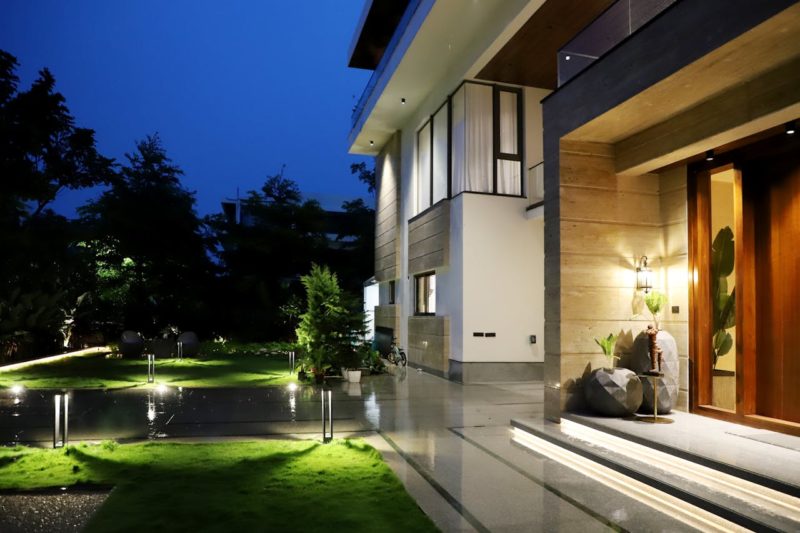
Modern home design has evolved dramatically over the past few years, reflecting changing lifestyles, technological advancements, and a growing emphasis on sustainability. As we navigate through 2026, homeowners and designers are embracing principles that blend functionality with aesthetic appeal. Consequently, they are creating spaces that are both beautiful and purposeful. Understanding these contemporary trends can help anyone looking to renovate, build, or simply refresh their living environment.
The Foundation of Modern Design Philosophy
At its core, modern home design in 2026 prioritizes clean lines, open spaces, and a seamless integration between indoor and outdoor living areas. This approach represents a departure from the ornate, compartmentalized homes of previous generations. Today’s modern homes emphasize minimalism without sacrificing comfort. In addition, they focus on quality over quantity when it comes to furnishings and decorative elements. The color palettes tend toward neutral bases with bold accent pieces. Thus, homeowners can easily update their spaces as trends evolve.
Natural light plays a crucial role in modern design, with architects and designers incorporating large windows, skylights, and glass doors to maximize sunlight penetration throughout the home. This not only reduces energy costs but also creates a more welcoming and health-conscious environment. Studies have shown that exposure to natural light can improve mood, productivity, and sleep quality. Therefore, it has become a priority in contemporary home planning.
Smart Home Integration
Technology has become inseparable from modern living, and homes in 2026 reflect this reality. Smart home systems now control everything from lighting and temperature to security and entertainment. These are often managed through voice commands or smartphone applications. According to recent market research, the global smart home market is expected to reach over 400 billion dollars by 2028. This demonstrates the rapid adoption of these technologies.
Modern homes incorporate smart thermostats that learn household patterns and adjust temperatures accordingly, reducing energy waste by up to thirty percent. Automated lighting systems adjust based on time of day and occupancy, while smart locks and cameras provide enhanced security without compromising aesthetic appeal. These technologies are no longer afterthoughts. Instead, they are integral components of the design process, with wiring and infrastructure planned from the earliest stages of construction or renovation.
Sustainable Materials and Practices
Environmental consciousness has moved from niche concern to mainstream priority in modern home design. Homeowners are increasingly selecting materials based on their environmental impact, durability, and health implications. Reclaimed wood, recycled metal, bamboo, and low-VOC paints have become standard choices rather than premium upgrades. These materials not only reduce environmental footprint but often provide unique character and texture that mass-produced alternatives cannot match.
Energy efficiency extends beyond smart technology to include passive design strategies. Proper insulation, strategic window placement, and thermal mass materials help regulate indoor temperatures naturally, reducing reliance on heating and cooling systems. Solar panels have become more affordable and aesthetically pleasing. In addition, some manufacturers offer tiles that blend seamlessly with traditional roofing materials. Rainwater collection systems and greywater recycling are also gaining traction among environmentally conscious homeowners.
Flexible Living Spaces
The pandemic permanently altered how people use their homes, and modern design reflects this shift. Multi-functional spaces have replaced single-purpose rooms, with home offices that convert to guest rooms, dining areas that serve as workspaces, and kitchens that function as social hubs. This flexibility is achieved through clever furniture choices, movable partitions, and thoughtful storage solutions. As a result, these features keep spaces uncluttered and adaptable.
Open floor plans remain popular but with more intentional zoning than in previous years. Designers now create distinct areas within larger spaces using furniture arrangement, lighting variations, and subtle changes in flooring or ceiling height. This approach maintains the spacious feel of open concept living. At the same time, it provides the psychological comfort of defined spaces for different activities.
Bringing Nature Indoors
Biophilic design, which connects inhabitants more closely to nature, has become a defining characteristic of modern homes. This goes beyond simply adding houseplants, though indoor greenery certainly plays a role. Natural materials like stone, wood, and clay feature prominently in modern interiors, creating tactile and visual connections to the natural world. Living walls, indoor water features, and natural fiber textiles further enhance this connection.
Ventilation has received increased attention, with designers incorporating systems that promote air circulation and quality. According to Hunter Fan, “ceiling fans remain one of the most energy-efficient ways to improve comfort and air circulation in modern homes, with contemporary designs that complement rather than detract from minimalist aesthetics. These fixtures can reduce air conditioning costs by up to forty percent while adding visual interest to otherwise simple spaces.”
The Personal Touch
Despite common elements, modern home design in 2026 celebrates individuality. Homeowners are encouraged to incorporate personal collections, artwork, and heirlooms into their spaces, creating environments that tell their unique stories. The key is curation and restraint. Displaying meaningful items in ways that enhance rather than overwhelm the overall design scheme is vital. This personalization ensures that modern homes feel lived-in and authentic rather than sterile or showroom-perfect.
As we continue through 2026, modern home design remains dynamic, responding to technological innovations, environmental imperatives, and evolving human needs while maintaining its commitment to simplicity, functionality, and beauty.
Would you like to receive similar articles by email?

Danuta Smoluk
Danuta Smoluk is a teacher with over three decades of experience teaching both children and adults. She specializes in teaching the Polish language to English-speakers. She has a master's degree in primary and early childhood education from WSP Słupsk (currently Pomeranian University in Słupsk) and had her degree validated by University of Toronto. Aside from education, she also has an interest in real estate and home improvement. She has planned and supervised many house renovations. She loves interior design, cooking, and gardening.


You May Also Like
How Proper Window Installation Improves Energy Efficiency
How a New Roof Improves Energy Efficiency and Home Value