Modern Agriculture Methods To Boost Crop Productivity
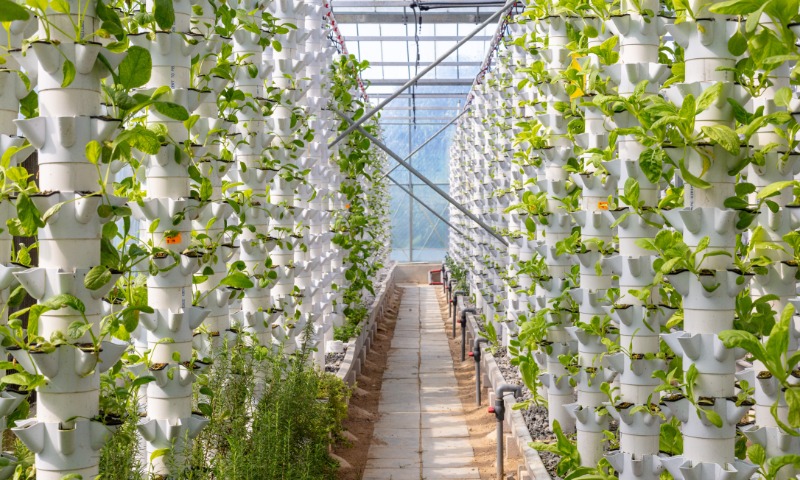
Modern farming gives growers new ways to improve efficiency while supporting healthier crops. Techniques such as precision farming and controlled growing systems help producers address specific challenges while making better use of available resources. Understanding modern agriculture methods to boost crop productivity can help growers choose practical strategies for stronger, more consistent production.
Practice Precision Agriculture
Precision agriculture uses GPS guidance, field mapping, sensors, and specialized software to manage crops according to conditions within specific parts of a field. Instead of applying identical amounts of seed or fertilizer across every acre, growers can adjust inputs based on localized needs.
Variable-rate technology supports this approach by allowing equipment to change application rates as it moves through a field. GPS-guided tractors can also follow accurate paths that reduce overlapping passes. These technologies help farmers place resources where crops need them while improving consistency during planting and field treatments.
Install Drip Irrigation
Drip irrigation delivers water through tubing positioned near crop roots. Small emitters release moisture gradually into the soil instead of spraying water across a large area. This direct delivery gives growers greater control over irrigation and helps reduce water loss from evaporation or runoff.
Farmers can connect drip systems to soil-moisture sensors that indicate when root zones begin drying. This setup allows irrigation to respond to actual soil conditions. Maintaining appropriate moisture supports steady crop development and reduces stress caused by dramatic fluctuations between dry and saturated soil.
Grow Crops Hydroponically
Hydroponics grows plants without traditional soil. Plant roots receive a nutrient solution that supplies the water and minerals necessary for growth. Depending on the setup, roots may rest in a supporting medium or make direct contact with circulating nutrient-rich water.
Growers can monitor nutrient concentrations and pH closely, then adjust the solution as plants develop. Because hydroponic production does not depend on field soil, farmers can install systems inside greenhouses or dedicated indoor growing facilities. The controlled root environment can support dependable production when operators carefully manage water quality and nutrient delivery.
Adopt Vertical Farming
Vertical farming arranges crops in stacked layers instead of spreading plants across one horizontal growing surface. Many operations combine vertical racks with hydroponics and artificial lighting to create highly controlled indoor farms. Using building height allows producers to increase growing capacity without requiring a larger land footprint.
One of the benefits of vertical farming is the ability to produce substantial amounts of suitable crops within compact spaces. LED grow lights positioned near plants provide illumination to each level. Farmers can also regulate temperature and airflow throughout the facility. These systems work particularly well for leafy greens and herbs that adapt successfully to controlled environments.
Use Greenhouse Cultivation
Greenhouses provide protected growing environments while allowing crops to receive natural sunlight. Growers can regulate temperatures through ventilation or heating and supplement natural light when necessary. Automated controls can adjust equipment when environmental conditions change.
Greenhouse cultivation can extend the growing season by protecting crops from cold weather and other unfavorable outdoor conditions. Farmers also gain greater control over irrigation than they typically have with open-field cultivation. Growers may use traditional soil beds or hydroponic setups inside these structures. Selecting an appropriate greenhouse design helps producers create conditions that suit their chosen crops.
Implement Crop Rotation
Crop rotation involves planting different crops in a planned sequence on the same field. Rather than growing one crop repeatedly in a single location, farmers change plantings between production cycles. They can design rotations according to each crop’s nutrient requirements and susceptibility to certain pests.
A well-planned rotation can support soil fertility while disrupting pest or disease cycles associated with continuous production of one crop. Farmers can maintain detailed field records to determine which crops previously occupied each area. These records make it easier to develop rotations that complement future planting plans and support long-term field productivity.
Plant Cover Crops
Cover cropping involves growing plants between primary production cycles or alongside cash crops when appropriate. Farmers choose cover crop species based on specific goals, such as protecting exposed soil or preparing a field for future production.
Cover crop roots help hold soil in place while supporting its structure. After farmers terminate the crop, the remaining plant material can contribute organic matter as it decomposes. Timing matters because growers need to prevent cover crops from interfering with upcoming plantings. Choosing species that fit the farm’s production schedule makes this method easier to integrate into existing operations.
Use Integrated Pest Management
Integrated pest management, commonly called IPM, uses careful monitoring to guide decisions about controlling insects and other crop threats. Rather than automatically applying treatments on a predetermined schedule, growers inspect crops and determine whether conditions justify intervention.
Farmers can use traps or digital monitoring systems to identify developing pest activity. When a problem requires action, they can select a control method that matches the specific pest. This targeted approach helps growers respond to observed field conditions instead of treating every area unnecessarily. Maintaining records can also reveal recurring pest patterns that affect future management decisions.
Try No-Till or Reduced-Till Farming
No-till farming allows growers to plant crops without extensively turning over the soil before each growing cycle. Reduced-till methods limit soil disturbance without eliminating it completely. Specialized equipment places seeds through crop residue remaining from previous harvests.
Reducing tillage can help preserve soil structure and leave protective plant material on the surface. Farmers need to consider local soil characteristics before changing their tillage practices because fields respond differently to reduced disturbance. Proper planting equipment also matters because seeds still require accurate placement and suitable contact with the soil for successful establishment.
Apply Automated Crop Monitoring
Automated monitoring systems collect information about growing conditions without requiring workers to inspect every section continuously. Soil sensors can measure moisture levels, while environmental sensors monitor greenhouse conditions. Drones and imaging systems can provide broader views of fields and highlight areas with unusual crop development.
Farmers can use this information to direct attention where it matters most. A sensor might show that one irrigation zone needs water while another remains adequately moist. Aerial images may reveal a section that requires closer inspection. Targeted monitoring helps growers identify potential problems earlier and make decisions based on conditions within specific production areas.
Choose Methods That Match Your Operation
The most effective farming strategy often combines several methods that address specific production needs. A field operation might pair precision agriculture with drip irrigation, while an indoor facility could combine hydroponics with vertical production. Farmers should select systems that fit their crops, available space, and management capabilities rather than adopting technology without a clear purpose. Understanding modern agriculture methods to boost crop productivity helps growers evaluate practical options and invest in techniques that solve identifiable challenges. With thoughtful implementation and regular evaluation, these methods can improve growing conditions while helping agricultural operations create dependable production systems that make better use of their resources.
Would you like to receive similar articles by email?

Danuta Smoluk
Danuta Smoluk is a teacher with over three decades of experience teaching both children and adults. She specializes in teaching the Polish language to English-speakers. She has a master's degree in primary and early childhood education from WSP Słupsk (currently Pomeranian University in Słupsk) and had her degree validated by University of Toronto. Aside from education, she also has an interest in real estate and home improvement. She has planned and supervised many house renovations. She loves interior design, cooking, and gardening.


You May Also Like
Used Gaylord Boxes: Why Recycled Packaging Can Still Deliver Performance
The Top 4 Benefits of Using a Drill Press