How Marketing Claims Influence Tire-Buying Decisions
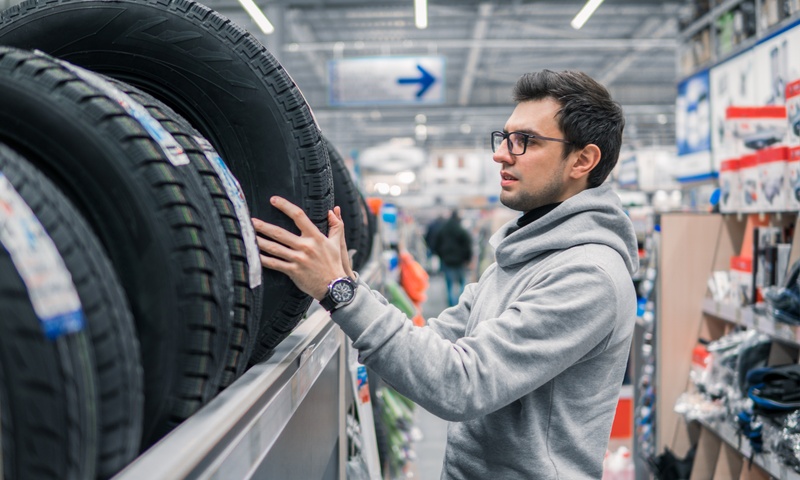
Tire companies spend millions on marketing because first impressions strongly influence buying behavior. Flashy commercials and bold promises often convince drivers before they compare actual performance data.
Many buyers assume expensive tires automatically deliver better traction and durability. Smart consumers look beyond slogans and understand how marketing claims influence tire-buying decisions before making the best choice for their driving needs.
Brand Reputation Builds Consumer Trust
Well-known tire brands benefit from years of public exposure and customer familiarity. Drivers often trust recognizable names because they connect them with quality and reliability. Tire manufacturers understand this behavior and invest heavily in maintaining strong public images. A polished reputation can influence buyers even when competing products offer similar performance.
Online reviews also strengthen brand influence in the tire market. Consumers read customer experiences before choosing products for daily driving or long-distance travel. Positive reviews increase confidence while negative comments create hesitation. Buyers should compare several review sources because some websites contain biased or misleading opinions.
Performance Claims Affect Buying Choices
Performance claims strongly shape consumer expectations during the shopping process. Tire advertisements frequently promise shorter stopping distances, smoother rides, and improved fuel economy. These claims attract attention because drivers want products that improve safety and reduce operating costs. Buyers should verify those statements through independent testing organizations and trusted automotive publications.
Many shoppers struggle with how to spot fake performance tire claims because misleading language appears everywhere in advertising. Some companies exaggerate testing results or use vague phrases without providing supporting evidence. Claims like “ultimate grip” or “maximum durability” rarely include clear measurements or comparison standards. Consumers should look for warranty details, treadwear ratings, and certified test data before trusting promotional material.
Packaging and Displays Influence Decisions
Retail displays and product packaging also affect tire purchases. Bright labels and bold graphics quickly attract attention inside stores and online marketplaces. Manufacturers often highlight features such as all-season performance or quiet road noise to influence quick decisions. These marketing techniques work because shoppers frequently compare products within a short amount of time.
Drivers can avoid rushed decisions by focusing on practical information first. Helpful details usually appear in specification charts rather than in large promotional headlines. Buyers should compare load ratings and traction grades before considering visual presentation.
Smart Questions Lead to Better Purchases
Consumers make stronger tire decisions when they ask detailed questions before buying. Tire sales representatives may emphasize benefits that align with marketing campaigns rather than with daily driving conditions. Drivers should think about climate, road surfaces, and driving habits before choosing a product. Tires that perform well in advertisements may not suit every vehicle or environment.
Use these questions during the buying process:
- Does the tire include verified testing information?
- Will the tread design match local weather conditions?
- Does the warranty provide realistic long-term protection?
- Do independent reviews support the advertised claims?
- Can the tire improve comfort without sacrificing safety?
These questions help drivers focus on practical value instead of emotional advertising.
Informed Buyers Avoid Marketing Traps
Marketing claims influence nearly every tire-buying decision because advertising shapes perception and trust. Strong branding and persuasive language often convince buyers before they study product details. Drivers who research carefully can separate genuine performance from exaggerated promises. Informed decisions lead to safer driving experiences and better long-term value.
Would you like to receive similar articles by email?

Paul Tomaszewski
Paul Tomaszewski is a science & tech writer as well as a programmer and entrepreneur. He is the founder and editor-in-chief of CosmoBC. He has a degree in computer science from John Abbott College, a bachelor's degree in technology from the Memorial University of Newfoundland, and completed some business and economics classes at Concordia University in Montreal. While in college he was the vice-president of the Astronomy Club. In his spare time he is an amateur astronomer and enjoys reading or watching science-fiction. You can follow him on LinkedIn and Twitter.


You May Also Like
What To Know Before Changing Your Car’s Steering Wheel
The Dos and Don’ts of Repairing a Car Tire