Why Managed IT Services Are Essential for Growing Businesses
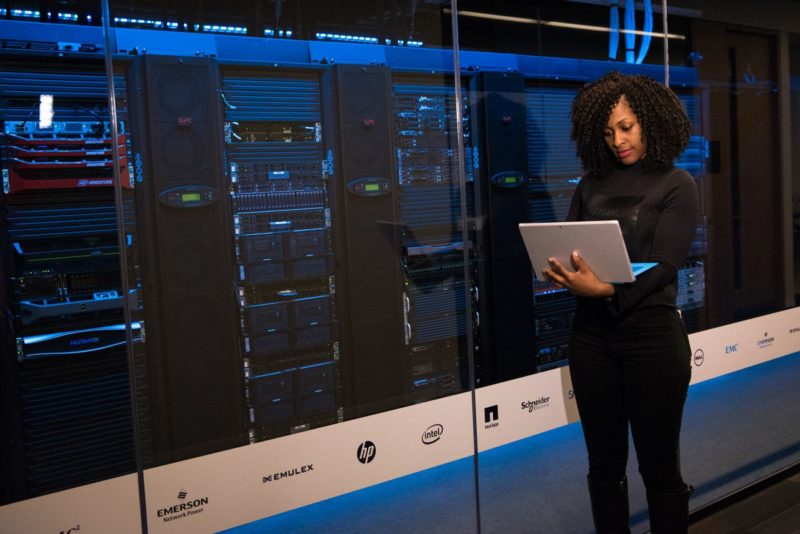
For growing businesses, technology demands often outpace internal resources. Systems strain under increased workloads, and minor IT disruptions quickly escalate into costly bottlenecks. Managed IT services offer a strategic solution, functioning as proactive partners rather than reactive troubleshooters. Understanding these benefits helps businesses identify the providers best suited to support their growth.
The Hidden Costs of Growing Pains
Expanding operations creates invisible pressure points across an organization’s technology infrastructure. What worked for 20 employees becomes inadequate for 50. A team of 100 requires exponentially more network capacity, application licenses, user accounts and access controls.
When critical infrastructure fails, the financial impact extends far beyond repair costs. Employees lose productive hours waiting for networks to come back online. Meanwhile, customer-facing operations grind to a halt and sales opportunities slip away.
Proactive Cybersecurity in a High-Risk Landscape
Growing businesses present attractive targets for cybercriminals because their security infrastructure often lags behind their expansion, while their data assets become increasingly valuable. The FBI’s 2025 Internet Crime Report documented nearly $21 billion in losses from cyber-enabled crimes. This highlights the scale of risk facing modern businesses.
Managed service providers (MSPs) transform cybersecurity defense by continuously monitoring networks and identifying emerging vulnerabilities before attackers can exploit them. Rather than treating cybersecurity as a one-time technology purchase, managed services make protection an adaptive process. Additionally, research indicates that 51% of growing organizations turn to MSPs to evolve their security strategies as they expand. Many recognize that threat landscapes shift faster than internal teams can typically respond.
Navigating Complex Compliance Requirements
Regulatory obligations intensify as businesses scale, particularly for those handling sensitive customer data or operating in regulated industries. Organizations must navigate complex frameworks that require specialized knowledge to maintain compliance with standards such as GDPR and HIPAA. This is a challenge many growing companies struggle to address internally.
Data protection regulations impose strict requirements on how companies collect, store and process information. At the same time, violations carry substantial penalties that can cripple growth momentum. For businesses without extensive internal IT and security resources, outside expertise can make it easier to incorporate data protection into everyday technology management. This also supports ongoing regulatory compliance.
This becomes particularly valuable when businesses expand into new markets or service offerings that trigger additional requirements. The ongoing nature of professional monitoring helps ensure adaptation as regulations evolve.
Shifting from Unpredictable Expenses to Predictable Growth
Traditional break-fix IT models create budget uncertainty that complicates strategic planning, with emergency repairs, unexpected hardware failures and crisis-driven consultant fees spiking costs. Finance teams struggle to forecast technology expenses with confidence when IT functions as a series of emergencies rather than a planned operational investment.
Managed IT services restructure these costs into stable, predictable monthly fees while transforming budgeting from reactive crisis management into planned investment. This operational expense model allows leadership to allocate resources more strategically across other growth priorities.
Implementing managed IT service programs has the potential to reduce total operating costs by 15% to 45%. Typically, savings emerge from improved efficiency, reduced downtime and the elimination of redundant or underutilized technology investments.
The Best Managed IT Services for Growing Businesses by Region
Organizations seeking managed IT partnerships benefit from working with providers who understand their regional market dynamics and maintain local support capabilities. Leading options across major U.S. regions bring specialized expertise. This helps growing businesses scale their technology infrastructure.
Best for the Midwest: Loffler Companies
Loffler Companies serves as a premier choice for Midwest organizations navigating technology growth. The company provides both fully managed and co-managed IT services tailored to mid-market businesses that need to grow efficiently.
Its team of experts takes a proactive approach to cybersecurity by implementing protective measures before threats materialize. Meanwhile, full-service IT capabilities allow clients to offload technology management entirely or supplement existing internal teams. The solutions can reduce operational expenses while strengthening cybersecurity posture. This makes technology a growth enabler rather than a constraint.
Best for the West: Office1
Office1 delivers comprehensive managed IT services across the Western United States with a focus on technology solutions for growing companies. Cybersecurity services, cloud infrastructure management and strategic IT consulting designed to scale with business demands form the core of its offering.
The company’s approach combines proactive monitoring with responsive support to help organizations minimize downtime. Regional expertise in Western markets positions it to address the specific challenges facing businesses in this territory as the team adapts technology infrastructure to changing operational needs.
Best for the Northeast: Thrive
Thrive operates as a leading managed service provider for Northeast businesses seeking technology partnership, with offerings that include cybersecurity protection, cloud services and strategic IT planning aligned to business objectives.
The company emphasizes proactive management and continuous monitoring to prevent issues before they impact operations. Its regional presence enables responsive support while maintaining the expertise necessary to address complex technology challenges facing growing organizations.
Best for the Southeast: Cortavo
Cortavo provides managed technology services throughout the South and Southeast, with a focus on businesses in expansion. Its portfolio encompasses cybersecurity solutions, network management and cloud services designed to support organizational growth. Furthermore, it uses a consultative approach that develops technology strategies aligned with business goals.
Regional market knowledge positions the team to address the specific operational and regulatory considerations relevant to Southern and Southeastern companies.
Best for the Southwest: Compass MSP
Compass MSP serves growing businesses across the Southwest with managed IT services designed to support expansion while maintaining operational stability. The provider offers cybersecurity protection, cloud solutions and strategic technology planning that scales alongside business growth. It combines proactive monitoring with responsive local support.
The team’s understanding of Southwest market dynamics allows them to address the unique technology challenges facing organizations in this region while delivering the infrastructure reliability that growing companies require.
Securing the Business for the Future
Managed IT services address the fundamental challenges that accompany business growth by transforming technology from a potential liability into a strategic asset. Outsourcing IT operations mitigates costly downtime, hardens cybersecurity defenses, supports regulatory compliance and converts unpredictable expenses into manageable operational costs.
Organizations that partner with regional experts position themselves to scale operations securely and efficiently. The right managed service provider brings technical expertise and an understanding of regional market dynamics and regulatory environments so growing businesses can focus on core competencies to support expanding ambitions.
Would you like to receive similar articles by email?

Paul Tomaszewski
Paul Tomaszewski is a science & tech writer as well as a programmer and entrepreneur. He is the founder and editor-in-chief of CosmoBC. He has a degree in computer science from John Abbott College, a bachelor's degree in technology from the Memorial University of Newfoundland, and completed some business and economics classes at Concordia University in Montreal. While in college he was the vice-president of the Astronomy Club. In his spare time he is an amateur astronomer and enjoys reading or watching science-fiction. You can follow him on LinkedIn and Twitter.


You May Also Like

6 Ways Secure Remote Access Supports Distributed Workforces

How Can I Tell if a Message Is a Scam?