Making Your Summer Program Educational Without Feeling Too Much Like School
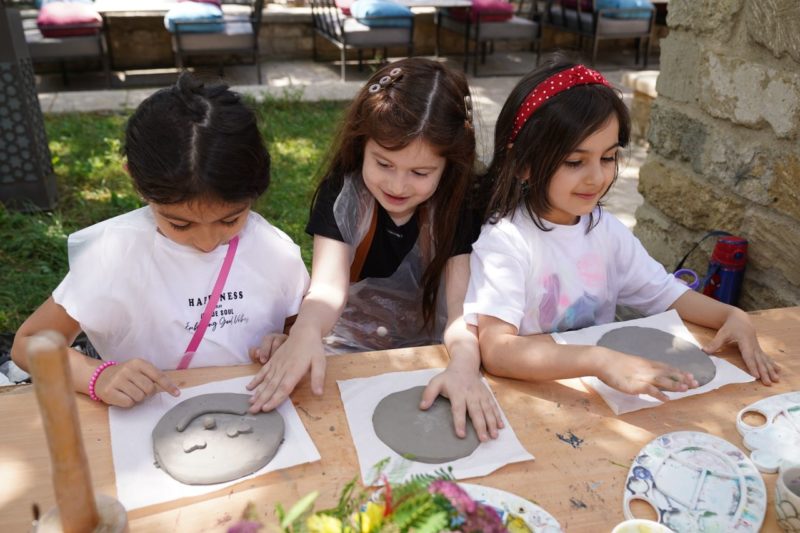
Summer has arrived, and it’s time to embrace the opportunity to keep students engaged in learning while giving them a much-needed break from traditional classroom routines. The “summer slide,” where children often lose some academic skills over the long break, poses a real challenge for parents and educators alike. However, summer programs offer a unique opportunity to promote learning in a fun, relaxed environment.
Here are some practical strategies to ensure your summer program is educational while providing fun, creative and memorable experiences for everyone involved.
Effective Strategies for Fun Learning
On average, test scores decline during the summer, with larger drops typically in math than in reading. To maintain student engagement, it’s crucial to incorporate strategies that make learning enjoyable. Integrating play and exploration into your curriculum can transform traditional academic subjects into exciting adventures.
Integrate Play With Learning
One of the best ways to keep children engaged is to integrate play into your educational activities. Studies show that students can remember up to 75% more information this way compared to passive learning.
Transforming traditional lessons into fun and interactive games, like creating a simple garden instead of reading about the ecosystem, enables them to connect theory with practice. These hands-on experiences help kids solidify their understanding while having fun and developing a genuine love for learning.
Offer Thematic Learning Approaches
Implementing thematic weeks can add a layer of excitement and cohesion to your summer program. Consider organizing a science week filled with hands-on experiments or an art week that allows students to explore their creative sides. These themes allow kids to dive deep into topics of interest while also making it easier for them to engage in learning without feeling like they are back in a classroom.
This approach helps build connections between different subjects and skills, showing students that learning is an integrated, holistic process. For example, a space week could involve building rockets, which incorporates science and engineering. Kids could also write stories about aliens to develop their language arts skills or learn about constellations and astronomy.
Provide Hands-On Activities and Projects
Encourage project-based learning through hands-on activities that require kids to investigate and respond to an engaging challenge. You could set up a mini science lab where students can conduct simple experiments aligned with their interests, such as making slime, creating volcanoes with baking soda and vinegar, or exploring density with different liquids. Building challenges like constructing a bridge out of spaghetti and marshmallows can teach engineering principles in a fun, competitive way.
Summer camp programs based on age or grade stimulate campers’ curiosity and encourage age-appropriate discovery. This gives students ownership over their learning, boosts their problem-solving skills and encourages them to think creatively.
Building a Supportive Environment
Creating a supportive environment is paramount to the success of your summer program. Students thrive in spaces where they feel safe, valued and understood. Prioritizing mental health and encouraging family involvement are key components of fostering a community that nurtures each child’s growth and well-being throughout the summer months.
Focus on Wellness and Mental Health
A strong focus on mental health is essential in any educational setting. With 90% of teachers reporting burnout as an issue, it’s clear that creating a supportive atmosphere is beneficial for everyone involved. Incorporating mindfulness practices into summer programs is a practical way to foster well-being. Activities like yoga, guided meditation or nature walks help students manage stress, which creates a more positive experience for educators. These practices enhance emotional well-being while building resilience and confidence in young learners.
Encourage Family Involvement
Family participation plays an integral role in the success of any educational summer program. Parent engagement is linked to better grades and improved student behavior. Organize workshops or provide weekly newsletters with resources to help parents engage in their child’s learning at home. Encourage families to participate in activities that integrate education into everyday moments, such as cooking, which can turn into a lesson in measurements and science.
This collaborative approach creates a stronger, more consistent support system for students as they learn. It bridges the gap between the summer program and home life and reinforces the idea that learning happens everywhere.
Embracing a Summer of Discovery and Growth
Making learning enjoyable and educational is the key to preventing the summer slide and creating a lifelong love of learning. Employing creative strategies, incorporating hands-on projects and cultivating a welcoming atmosphere will create a program that thrives on curiosity and exploration. Transform summer break into a time of wonder so your kids continue to grow academically while savoring the essence of this vibrant season.
Would you like to receive similar articles by email?

Tessa Dodson
Tessa Dodson is the Senior Writer of Classrooms.com who is passionate about supporting teachers, providing insights to students, and improving classroom environments. She specializes in covering educational trends, professional development, and practical strategies that lead to success.


You May Also Like
The Best Practices for Setting Up a Sensory Room in Your School
How to Keep Your Students Engaged During Class Presentations