How To Make Your Condo Stand Out to Potential Tenants
In a competitive rental market, a condo needs more than four walls, working appliances, and a decent location to capture attention. Prospective tenants compare listings quickly, and small differences can shape which properties make the shortlist.
Owners and property managers can make their condo stand out to potential tenants by focusing on features that make daily life easier, more comfortable, and more enjoyable. That does not always require a major renovation. Presentation, functionality, and a few memorable details can make a meaningful impression.
Start With a Strong First Impression
Tenants begin forming an opinion before they step through the front door. Listing photos, the building entrance, the hallway, and the condition of the unit all contribute to that first reaction.
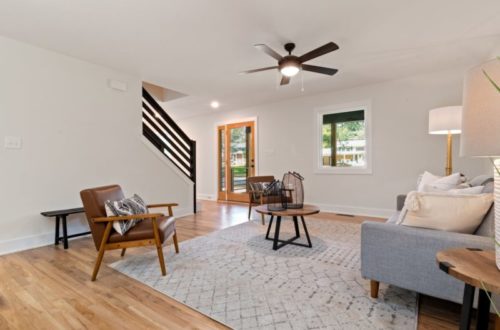
A condo should look bright, clean, and cared for. Fresh paint in neutral colors can make rooms feel larger and more inviting. Clean windows help maximize natural light, while updated light fixtures can improve rooms that feel dim or dated.
Small repairs also matter. Loose handles, chipped trim, cracked outlet covers, and sticking doors may seem minor, but several visible flaws can create the impression of neglect to the property.
Make the Space Easy to Picture as a Home
Prospective tenants must imagine themselves living in the condo. Excessive decoration or clutter can make that difficult.
If you’re showing or photographing a unit with furnishings, keep the styling simple. Use furniture that fits the scale of each room, and avoid filling every corner. Leaving some visual breathing room makes floor space easier to understand.
Storage areas should also look usable. An overstuffed closet appears smaller than an organized one, even when both have the same dimensions.
Focus on Everyday Convenience
Focusing on everyday convenience is another way to make your condo stand out to potential tenants. A striking feature may attract attention, but practical details can influence the final decision.
Reliable appliances, accessible outlets, strong water pressure, effective heating and cooling, and sufficient storage all contribute to the experience of living in a condo. Tenants may also appreciate features such as in-unit laundry, smart thermostats, keyless entry, or built-in organization.
Not every property needs the latest technology. The more important consideration is whether each feature solves a real problem.
For example, adding shelving inside a shallow closet may provide more value than installing a decorative fixture that looks impressive but serves little purpose. A small entryway bench with shoe storage can also improve a compact floor plan.
Highlight Amenities That Add Genuine Lifestyle Value
Building amenities can help distinguish one condo from another, particularly when several units in the area offer similar layouts and finishes.
Traditional amenities such as fitness rooms, pools, lounges, rooftop terraces, and secure parking remain useful. Some buildings also provide less common recreational spaces that give residents more ways to enjoy their time at home, such as an indoor golf simulator.
Property descriptions should explain how residents might actually use these spaces rather than simply listing them.
Upgrade the Kitchen Without Overdoing It
The kitchen carries plenty of visual weight in rental listings, but making it more appealing does not always require replacing every cabinet and appliance.
Updated cabinet hardware can modernize an older kitchen at relatively low cost. New lighting can make countertops look cleaner and improve visibility for cooking. A fresh backsplash may also create a noticeable change without altering the entire layout.
If appliances need replacement, matching finishes can create a more cohesive appearance. Stainless steel remains common, but consistency matters more than following a particular design trend.
Give the Bathroom a Clean, Updated Feel
Bathrooms can make or break the impression of an otherwise attractive condo. Deep cleaning should come first. Grout, fixtures, mirrors, exhaust fans, and corners need attention because signs of moisture or grime can immediately undermine confidence in the property.
Simple updates can also help. Replacing an aging showerhead, faucet, mirror, or light fixture can refresh the room. Recaulking around the tub or shower creates a cleaner finish and helps address minor wear.
Improve Lighting Throughout the Unit
Lighting changes how people perceive nearly every other feature in a condo. Natural light should take priority where possible. Keep window coverings open during showings, clean the glass, and avoid positioning large furniture where it blocks incoming light.
Artificial lighting should complement the space. Warm lighting can make living areas feel comfortable, while brighter task lighting works well in kitchens and bathrooms.
Replacing mismatched bulbs with consistent color temperatures can create a more unified look. Adding a floor lamp to a dark corner may also improve the way a room appears in photos and in person.
Pay Attention to Sound and Privacy
Condo living places neighbors close together, so prospective tenants may think carefully about noise.
Owners cannot control every sound in a building, but some upgrades can improve privacy inside the unit. Rugs, curtains, upholstered furniture, and weatherstripping can reduce echoes or minor sound transfer.
If windows face a busy street, good-quality coverings may help create a quieter atmosphere. Bedroom doors that close securely can also improve the sense of separation between living areas.
Present the Building, Not Just the Unit
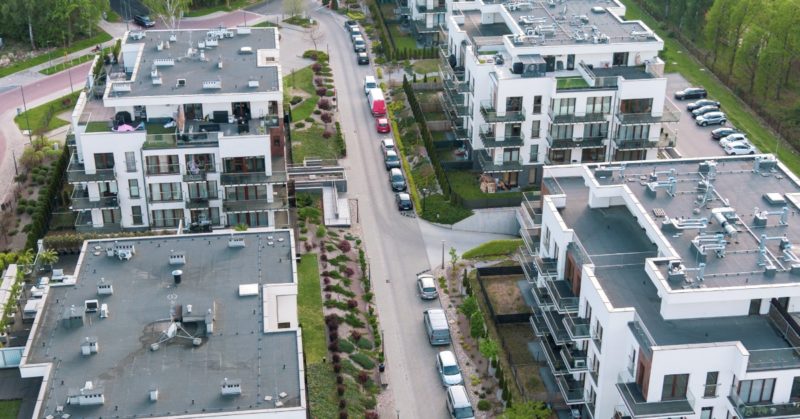
A condo exists within a larger community, and prospective tenants will evaluate more than the interior.
Shared hallways, elevators, mail areas, parking facilities, entrances, and recreational spaces all contribute to the overall experience. While individual owners may have little control over these areas, they can make sure listings represent the building accurately.
Useful details might include secure package handling, bike storage, guest parking, outdoor spaces, or convenient access to public transportation.
Avoid vague claims such as “luxury living” unless the features genuinely support that description. Clear, concrete information gives prospective tenants a better understanding of what the building provides.
Make the Listing Specific and Easy to Scan
A strong property can still struggle to attract attention if the listing feels generic. Use the description to answer common questions. State the number of bedrooms and bathrooms, storage options, parking arrangements, laundry setup, pet policies, and notable building amenities. Mention meaningful upgrades and distinctive features without exaggeration.
Good listings use specific language. “South-facing windows with afternoon light” communicates more than “bright and airy.” “Dedicated storage locker on the same floor” tells readers more than “lots of storage.”
Clear wording helps tenants decide whether to schedule a showing, which can reduce inquiries from people whose needs do not match the property.
Create Distinction Through Thoughtful Details
Standing out does not require turning a condo into a showcase of expensive upgrades. Tenants typically respond to spaces that feel functional, maintained, and easy to live in.
A well-presented unit, useful amenities, practical storage, strong lighting, and accurate listing information can all improve a condo’s appeal to potential tenants. Distinctive shared features may add another layer of interest when they support the way residents spend their time.
The most memorable condos are not necessarily the flashiest. They are the ones that make it easy for a prospective tenant to picture a comfortable, convenient daily routine.
Would you like to receive similar articles by email?

Danuta Smoluk
Danuta Smoluk is a teacher with over three decades of experience teaching both children and adults. She specializes in teaching the Polish language to English-speakers. She has a master's degree in primary and early childhood education from WSP Słupsk (currently Pomeranian University in Słupsk) and had her degree validated by University of Toronto. Aside from education, she also has an interest in real estate and home improvement. She has planned and supervised many house renovations. She loves interior design, cooking, and gardening.


You May Also Like

The Dos and Don’ts of Calling the 811 Digger’s Hotline

Backyard Upgrades That Make Outdoor Meals Taste Better