5 Reliable Ways To Make a City More Inclusive
As cities continue to grow and evolve, promoting inclusivity becomes a crucial aspect of urban development. An inclusive city recognizes and respects its residents’ diverse needs, abilities, and perspectives, ensuring that everyone has an equal opportunity to participate and thrive.
All cities, especially large ones, are responsible for delivering accurate solutions for residents to cover their needs without limitations. As a result, these five reliable ways to make a city more inclusive will create an environment where all individuals feel valued. This also ensures they feel empowered, and connected.
Enhancing Accessibility
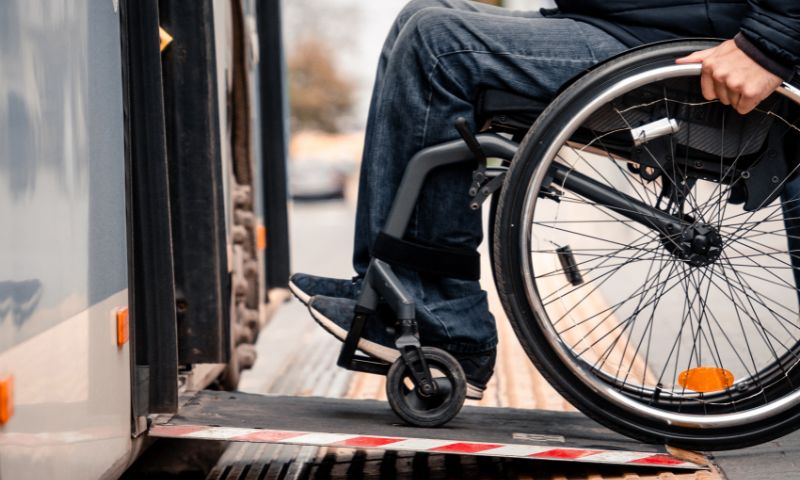
One of the fundamental pillars of an inclusive city is removing physical, social, and digital barriers that hinder individuals with disabilities from fully engaging in urban life. To achieve this, city planners must prioritize the development of accessible infrastructure, such as wheelchair ramps and accessible public transportation. They should also build disability-friendly public spaces. In addition, promoting inclusive design practices in buildings, parks, and other community areas ensures that everyone can easily navigate these spaces. As a result, all residents can enjoy these spaces.
Promoting Social Integration
Creating opportunities for social interaction among diverse groups is another crucial aspect of inclusivity. Encouraging community events, cultural festivals, and public forums can remove gaps between different communities and create a sense of belonging. Similarly, cities must support initiatives that promote cultural diversity, such as multicultural centers and language classes. They should also foster intercultural exchange programs.
Embracing Sustainable Mobility
Promoting sustainable and accessible transportation options benefits inclusivity in cities of any size. Prioritizing the development of bike lanes, pedestrian-friendly infrastructure, and efficient public transportation systems encourages active mobility. It also reduces dependence on private vehicles. For this reason, supporting inclusivity in public transportation means providing things like audio cues for visually impaired individuals.
Prioritizing Affordable Housing
Affordable housing is critical in ensuring that individuals from all socioeconomic backgrounds can access and participate in city life. Inclusive cities take proactive measures to address the issue of housing affordability, implementing policies that promote mixed-income neighborhoods and affordable housing options. In addition, collaborating with developers and housing organizations can create affordable housing units, rent control regulations, and housing subsidies. As a result, these steps can prevent social exclusion and gentrification.
Facilitating Digital Inclusion
Many aspects of modern life, such as accessing government services, education, job opportunities, and social interactions, rely heavily on technology. To make cities more inclusive, they must invest in digital infrastructure and promote digital program learning for underserved populations. Providing free Wi-Fi in public spaces, affordable internet access, and establishing computer labs can empower individuals and communities. This ensures equal access to digital resources.
Conclusion
Creating a welcoming and equitable urban environment requires thoughtful planning and ongoing commitment. By improving accessibility, encouraging social connection, supporting sustainable mobility, ensuring affordable housing, and expanding digital access, cities can better serve all residents. As a result, these strategies not only strengthen communities but also foster long-term growth. This also fosters resilience. When leaders and communities work together to make a city more inclusive, they build a future where everyone has the opportunity to participate, contribute, and thrive.
Would you like to receive similar articles by email?

Paul Tomaszewski
Paul Tomaszewski is a science & tech writer as well as a programmer and entrepreneur. He is the founder and editor-in-chief of CosmoBC. He has a degree in computer science from John Abbott College, a bachelor's degree in technology from the Memorial University of Newfoundland, and completed some business and economics classes at Concordia University in Montreal. While in college he was the vice-president of the Astronomy Club. In his spare time he is an amateur astronomer and enjoys reading or watching science-fiction. You can follow him on LinkedIn and Twitter.


You May Also Like
Guide to Period Architectural Styles in Australia