The Link Between Mental Health and Skin Health
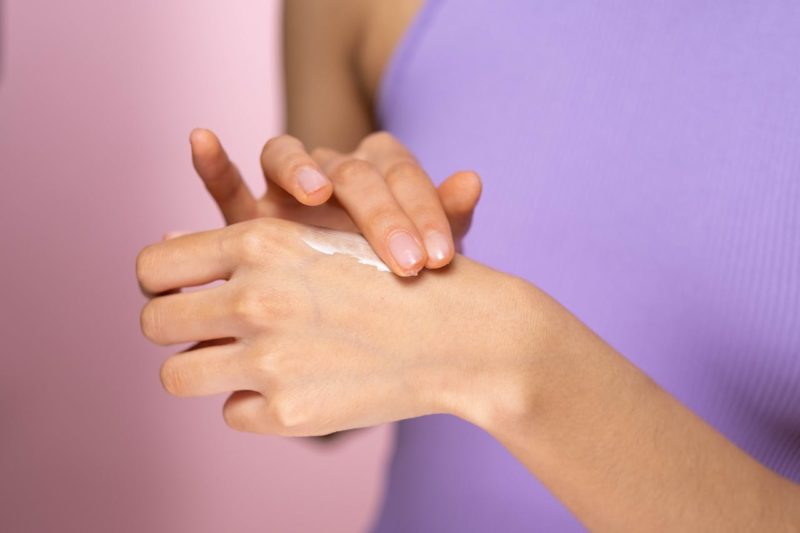
Quick Answer
Acne frequently emerges or intensifies during periods of high pressure because cortisol elevates sebum production and inflammation in the skin. Acne from stress shares pathways with anxiety rash, stress hives and eczema, where psychological tension triggers immune responses that worsen visible symptoms. The relationship runs both ways since persistent skin issues can heighten emotional strain. This integrated perspective on mental health and skin health remains essential for anyone experiencing persistent acne or related conditions.
Introduction
Professionals in demanding fields often notice their skin reacting during intense project deadlines or prolonged high-stakes responsibilities. Breakouts appear suddenly, redness flares without clear dietary or environmental causes, and itching disrupts focus. These changes stem from the close interplay between psychological state and cutaneous function, where mental health directly influences inflammatory processes in the dermis and epidermis.
An aesthetic clinic in Calgary, for instance, applies advanced diagnostic and therapeutic methods to support skin resilience amid these influences. Beyond surface-level care, recognizing this connection allows for more effective management through integrated strategies that consider both physiological and psychological dimensions.
How Stress Triggers Acne and Related Breakouts
The activation of the hypothalamic-pituitary-adrenal axis under psychological pressure releases cortisol, which directly influences sebaceous gland function. Elevated cortisol stimulates increased sebum production, leading to excess oil that clogs pores and creates an environment conducive to bacterial proliferation, particularly Cutibacterium acnes.
This process promotes follicular hyperkeratinization and initiates inflammatory cascades, resulting in the characteristic lesions of stress acne. Chronic tension amplifies androgen activity through adrenal pathways, further exacerbating sebaceous hyperplasia. The result is a cycle where initial breakouts provoke additional emotional strain, perpetuating the condition.
Key Mechanisms of Stress-Induced Acne Development
- Cortisol elevation prompts sebaceous glands to overproduce sebum, clogging pores.
- Increased inflammation via pro-inflammatory cytokines such as IL-6 and IL-11 contributes to lesion formation.
- Bacterial overgrowth thrives in the oil-rich, occluded environment.
- Barrier disruption slows recovery, allowing persistent or recurrent breakouts.
Beyond the basics, peripheral corticotropin-releasing hormone expressed in skin tissues plays a role by stimulating lipid production and cytokine release in keratinocytes.
This localized response explains why acne from stress appears rapidly during acute pressure without systemic hormonal extremes. Professionals observe that targeting inflammation alongside oil control yields better outcomes than isolated topical approaches.
The Mechanisms Behind Anxiety Skin Rash, Stress Hives and Eczema
Psychological tension activates mast cells in the dermis through neuroendocrine pathways, primarily via corticotropin-releasing hormone and substance P. These mediators prompt degranulation, releasing histamine and other vasoactive compounds that increase vascular permeability and cause localized swelling.
The outcome appears as transient, raised welts characteristic of stress hives, often accompanied by intense itching that intensifies during periods of acute anxiety.
Core Pathways Linking Mental Health Strain to These Skin Responses
- Activation of mast cells by stress hormones like CRH leads to histamine release and wheal formation.
- Neurogenic inflammation from substance P enhances cytokine production, sustaining redness and edema.
- Barrier compromise allows greater irritant penetration, prolonging visible symptoms.
- Bidirectional feedback occurs as itch provokes scratching, which further disrupts integrity and escalates inflammation.
On the other hand, anxiety skin rash frequently manifests through similar mast cell involvement but presents with more diffuse erythema and pruritus, sometimes resembling generalized flushing or blotchy patches rather than distinct welts. Chronic activation shifts immune balance toward pro-inflammatory states, where elevated cytokines impair epidermal differentiation and compromise stratum corneum cohesion.
Comparison of Key Features Across Conditions
Stress Eczema exacerbations follow comparable neuroimmune routes yet centre on Th2-skewed responses and reduced filaggrin expression. Sustained cortisol dysregulation paradoxically weakens local anti-inflammatory controls in the skin, allowing persistent barrier defects and recurrent flares. Sensory nerve fibres amplify itch signals, creating a cycle where scratching damages keratinocytes and perpetuates cytokine-driven inflammation.
Condition | Primary Trigger Mechanism | Main Skin Manifestation | Key Inflammatory Mediator | Typical Duration of Flare |
Hives | Mast cell degranulation via CRH/SP | Raised, itchy wheals | Histamine | Hours to days |
Skin Rash | Histamine release from anxiety | Diffuse redness, blotches | Histamine, cytokines | Variable, often transient |
Eczema | Barrier disruption, Th2 shift | Dry, inflamed, scaly patches | IL-4, IL-13, TNF-α | Days to weeks |
These distinctions highlight why targeted interventions addressing mast cell stability or barrier repair prove more effective than generic anti-inflammatory measures alone. In practice, recognizing the shared mast cell axis allows clinicians to apply overlapping strategies while tailoring to dominant symptoms.
Managing the Bidirectional Impact of Mental Health on Skin
The interplay between psychological well-being and cutaneous conditions operates in both directions, where persistent symptoms can amplify emotional distress just as mental strain provokes dermatological flares. Integrated management, therefore, requires addressing neuroendocrine, immunological, and behavioural elements concurrently.
Evidence-Based Strategies for Breaking the Cycle
- Adopt structured stress-reduction practices such as mindfulness-based protocols or progressive muscle relaxation to lower baseline cortisol levels and reduce mast cell reactivity.
- Incorporate anti-inflammatory dietary patterns rich in omega-3 fatty acids and antioxidants while limiting refined carbohydrates that may exacerbate insulin-driven sebum production.
- Maintain consistent barrier-supportive skincare routines featuring ceramide-based moisturizers and gentle cleansing to restore epidermal integrity and limit irritant penetration.
- Prioritize sleep hygiene, aiming for seven to nine hours of quality rest nightly, since sleep deprivation independently heightens inflammatory cytokine expression.
- Consider adjunctive therapies like low-dose phototherapy or topical calcineurin inhibitors under professional guidance when flares prove refractory to basic measures.
Pro Tip: Schedule brief daily skin checks during low-stress moments to differentiate acute flares from chronic changes, allowing earlier intervention before lesions become entrenched.
Recognizing and actively managing this connection remains central to long-term skin health. When both mental well-being and cutaneous function receive balanced attention, outcomes improve markedly, including reduced frequency of stress acne and related conditions.
Integrating Mental Health Awareness Into Skin Care Routines
The connection between psychological pressure and cutaneous responses reveals a clear pattern: elevated cortisol and neuroimmune activation drive stress acne, anxiety skin rash, hives and eczema through shared inflammatory and barrier-disruption pathways.
In practice, combining barrier repair, inflammation modulation, and stress-management techniques yields measurable improvements in flare frequency and severity. Small, consistent adjustments to daily habits often produce the most sustainable results, breaking the bidirectional cycle that otherwise prolongs discomfort.
All in all, viewing skin health through the lens of mental health shifts management from reactive to proactive. When both dimensions receive balanced attention, resilience increases, and visible improvements follow more reliably.
Would you like to receive similar articles by email?

Dr. Jade Marie Tomaszewski
Dr. Jade Marie Tomaszewski is a pathologist-in-training at McGill University, where she also did her degree in MSc Pathology. She obtained her medical degree (MD) from the University of the Philippines, after completing a BSc in Molecular Biology and Biotechnology. In her (little) spare time, she enjoys spending time with family, curling up with a book and a large mug of tea, and trying out new recipes in the kitchen. You can follow her on LinkedIn and Twitter.


You May Also Like
How Intraoral Scanners Accelerate Clear Aligner Treatment

How Modern Technology Is Revolutionizing Tooth Brushing?